This article explains what mind-muscle connection is and why it can make your workouts more effective, even without increasing training time or weight. It also shows how better muscle awareness improves exercise quality, form, control, and overall results.
How balance and stability exercises help your body move with more control, confidence, and less strain in everyday life. Seven simple exercises that improve posture, coordination, joint support, and overall movement quality.
This article explains what RPE (Rate of Perceived Exertion) is and how it helps you measure training intensity based on effort, not just the weight you lift. It also shows how to use RPE in real workouts, why it is especially useful when energy and recovery vary, and how it can make progress feel more flexible, realistic, and sustainable.

This article explains how strength training supports hormonal health in women by improving insulin sensitivity, helping the body manage stress, and supporting muscle, bone, and energy levels over time. It also shows why regular strength workouts can be especially valuable in a busy lifestyle and how simple training habits can support better balance, recovery, and long-term wellbeing.
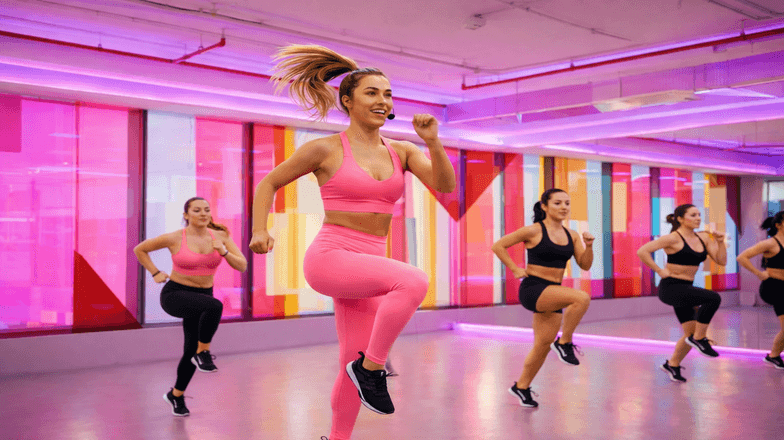
This article shows why training all major muscle groups helps your body feel stronger, look more balanced, and move better in everyday life. You’ll also learn how to build a simple weekly routine that improves posture, energy, and overall results without making workouts too complicated.