


How Strength Training Supports Hormonal Health in Women

Big cities like Dubai have a funny way of pushing your body to its limits. Late dinners. Workdays that stretch longer than planned. Social plans that somehow start at 10 PM. And then there’s the heat, which can drain energy even before you step into the gym.
That’s why strength training feels like such a “secret weapon” here. It gives your body structure. It gives your mind stability. And yes, it can support hormonal health in ways most women don’t even realise. If you train through structured group classes like the ones at BODIFY, strength work can become one of the most useful habits you build for long-term energy and balance.
Let’s talk about why.
Hormones: our “behind the scenes” system
Hormones affect your appetite, mood, energy, sleep quality, recovery, and how your body stores fat. Even motivation can shift depending on hormonal changes.
For women, some of the key hormones involved include:
- estrogen;
- progesterone;
- cortisol;
- insulin;
- thyroid hormones;
- testosterone (yes, women produce it too).
When things feel balanced, you usually feel like yourself. When hormones feel messy, your body can feel unpredictable. So, how can strength training help here?
Strength training improves insulin sensitivity (and energy levels)
Insulin moves glucose from your blood into your muscles, where it becomes energy. The more insulin-sensitive you are, the steadier your energy tends to feel. So, more muscle means better energy storage and fewer sharp dips during the day!
Many women notice improved appetite control and fewer afternoon crashes once they train consistently. In Dubai, where irregular meals and long days are common, this benefit stands out quickly.
Cortisol and stress. Strength training gives your nervous system structure
Why do we even need cortisol? Because it’s not the “bad” hormone people make it out to be. Cortisol helps you wake up in the morning. It keeps you alert. It gives you the push to deal with deadlines, tough conversations, and hard workouts.
When you strength train, cortisol goes up for a short time. That’s normal. It’s part of how your body adapts and gets stronger. The key is that it rises in a controlled way, and then settles back down.
Over time, regular strength sessions can actually make your stress response more balanced. You become better at handling pressure instead of feeling constantly overwhelmed by it.
That’s why so many women say they leave the gym feeling clearer and calmer, even after lifting something heavy. It happens because physical effort gives your nervous system somewhere safe to “spend” stress.
Estrogen, muscle tone, and bone health: the long-term win
Did you know estrogen supports bone density and muscle recovery? But hormonal shifts often begin gradually in your 30s and 40s, which is one of the reasons doctors often ask their 30+ patients to start training regularly.
When you train with resistance, your body responds by strengthening muscle and bone tissue. That supports posture, joint stability, and long-term mobility.
Strength training supports:
- bone density;
- muscle tone and definition;
- posture;
- stronger hips and knees;
- balance and coordination.
This foundation becomes more valuable over time.
Testosterone: important for women too

Testosterone isn’t just a “men’s hormone.” Women also produce it — in smaller amounts — and it plays a real role in how you feel and perform.
Within healthy female ranges, testosterone can support:
- strength and muscle tone (it helps your body build and maintain lean tissue);
- drive and motivation (that “I can do this” energy);
- recovery (how quickly you bounce back after training).
The good news: you don’t need anything extreme to support it. And training won’t make you produce it more than you actually need.
Practical strength training habits that support hormonal health
This is where most women overcomplicate things. The truth stays simple.
Focus on consistency over intensity
Two to four strength sessions per week create a strong base.
Use progressive overload
Gradually increase resistance over time. Small progress adds up fast.
Choose compound movements
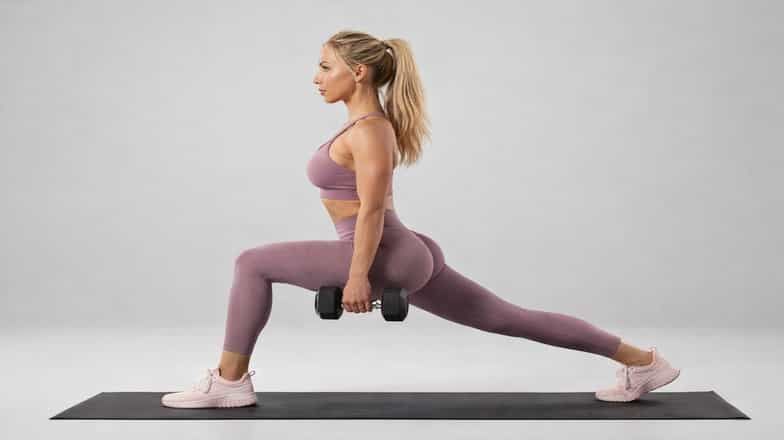
Squats, lunges, rows, presses, and deadlifts work multiple muscles at once and support hormonal response better than endless isolation exercises.
Respect recovery

Sleep and hydration affect hormones more than people admit.
Dubai heat can also increase fatigue, so hydration and electrolytes matter!
Train with effort
If every session feels like survival mode, recovery gets harder. Structured training gives your body the right stimulus without burning you out!
What makes strength training in Dubai feel different?
Dubai is intense. It’s glamorous, fast, and busy. Many women here juggle work, family, travel, and social life in the same week. Yes, that lifestyle affects hormones.
Strength training works well in Dubai because it supports structure and stability. It gives your body something consistent when everything else changes. And the best part? Strength training improves the “outside” results too. Posture, waistline definition, toned legs, lifted glutes, stronger arms. It’s a full-body upgrade that also supports health.
Training for balance, energy, and long-term results
Strength training supports hormonal health by improving insulin sensitivity, reducing stress load over time, supporting bone density, and helping your body recover and function more smoothly.
It’s one of the most practical tools women have for long-term wellness, especially in a high-energy city like Dubai.
If you want a structured way to build strength without guessing what to do each session, explore the group classes at BODIFY. A good program makes strength training feel simple, consistent, and empowering, exactly how it should feel.