


Tempo Control in Strength Training: Benefits for Better Results
Tempo means you control the speed of each rep instead of rushing through it. That small change can make your training feel clearer and more effective, even with the same weights. It helps you feel the right muscles working, keep your form steady, and stay consistent from set to set.
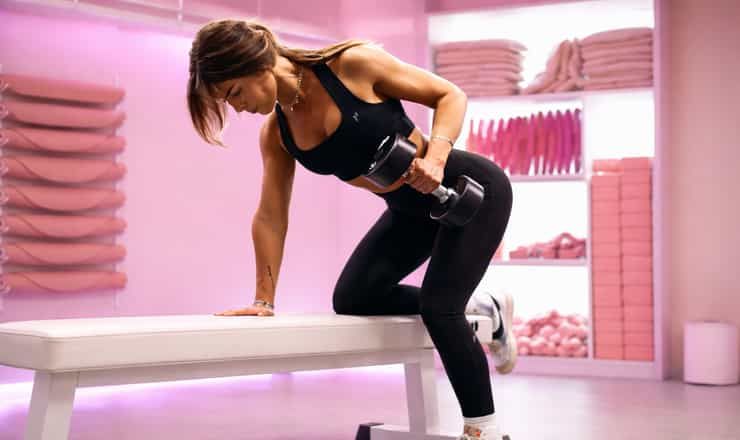
With tempo control, you can:
- Build stronger technique and better muscle engagement
- Reduce joint stress by avoiding fast, shaky reps (for many people, this helps)
- Build strength and muscle with more structured effort
- Stay on track with toning and posture goals
Read on to learn the easiest tempo patterns to start with. Then try one tempo in your next workout and book a quick coaching check to match it to your goal.
What “Tempo” Means and Why It Changes the Way You Lift
“Tempo” is the speed of each part of a rep. Most strength reps have four parts: the lowering phase, a pause at the bottom, the lift, and a pause at the top. When you control those parts, you control the whole rep, from the first centimetre to the last.
This matters because your body responds to what you actually do, not what you planned. If your squat turns into a quick drop and a bounce, the effort shifts. If your press turns into a half-rep when you get tired, the pattern shifts again. Tempo acts like rails that keep the movement consistent.
Key Benefits of Tempo Control During Strength Exercises

Tempo control means choosing how fast you lower, pause, and lift during each rep. When you keep that speed steady, every set gives you a bigger return. You feel the working muscles sooner, your body stays in stronger positions, and your technique looks the same from the first rep to the last. Tempo also lets you make a set harder without jumping to heavier weights, which can be useful when you want progress with less strain. Below are the main benefits women usually notice once they start using tempo on squats, presses, rows, and lunges.
Better muscle engagement and cleaner technique
Tempo makes you feel the target muscle doing the work, especially on the way down. That controlled lowering phase gives you time to keep your ribs stacked, your hips stable, and your feet planted, instead of reacting at the last second.
It also makes form cues easier. You can focus on one cue per rep: steady knees, quiet shoulders, long neck. A rushed rep feels messy. A controlled rep feels like practice.
More strength and muscle growth from the same weights
People often chase progress by adding load. Tempo offers another path: more quality work with the same dumbbells or barbell.
Muscle growth can happen across a wide range of rep speeds, as long as sets feel challenging and you keep your reps consistent. The point is not “slow equals magic.” The point is control, repeatability, and getting solid work from each set.
A practical tip: when you slow the lowering phase, you often need a slightly lighter weight at first. That is normal. Your muscles are doing more of the job instead of letting momentum do it.
Safer joints and fewer “rushed” reps
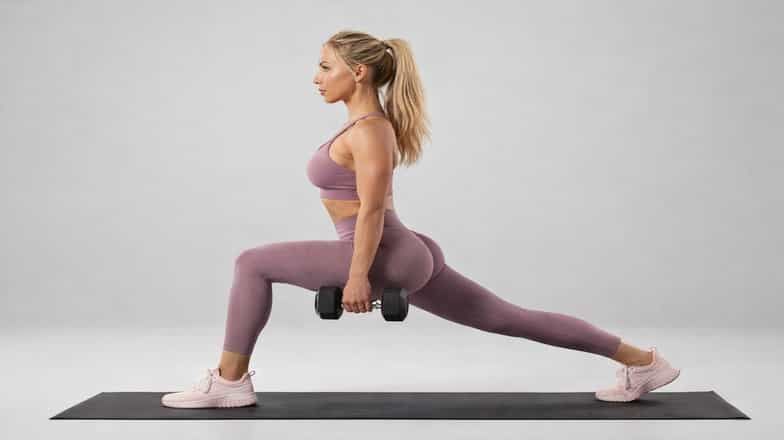
A lot of joint irritation in strength training is linked to sloppy speed: dropping into the bottom of a lunge, yanking a row, collapsing into the bottom of a push-up. Tempo gives you time to line up the joint, then move.
The controlled lowering phase can feel tougher because your muscles create high tension while lengthening. That is one reason it is often programmed with slightly lower loads and good rest, especially when you are new to tempo work.
If you are pregnant, newly postpartum, breastfeeding, or working around joint sensitivity, tempo can be a friendly tool because it often shifts the focus to lighter loads with higher control. Keep the plan personal, and get guidance from a qualified professional when your body is in a new phase.
More control over fat-loss and toning goals
“Toning” usually means you want muscle to look clearer and posture to look better. Tempo supports that because it reduces messy reps and keeps tension where you want it.
Slower lowering phases and short pauses can also raise the effort of a set without adding weight. That can make training feel more structured, especially on days when you want intensity without heavy loading. Fat loss depends on the full plan, but tempo helps you train with purpose instead of guessing.
How to Read Tempo Numbers (and Use Them in a Workout)

Tempo is usually written as four numbers, like 3-1-1-0:
- First number: seconds to lower the weight
- Second number: pause at the bottom
- Third number: seconds to lift
- Fourth number: pause at the top
Here’s how it looks in real life with a goblet squat using a 10–16 kg dumbbell: lower for 3 seconds, hold 1 second at the bottom, stand up in 1 second, stand tall with no extra pause, then repeat.
Two simple rules that keep tempo useful: pick a weight that lets you keep the same tempo for every rep, and count the seconds the same way in each set. And yes, counting out loud feels silly the first time.
Tempo “Rankings”: Which Tempos Work Best for Different Goals
Tempo is a tool, so the “best” tempo depends on the goal. A range of rep speeds can work well for muscle and strength, and the details depend on your exercise choice, your training history, and how close your sets are to your limit.
| Goal | Tempo to start with | What it feels like | Good exercise picks |
| Learn technique | 2-1-2-0 | Smooth, steady, easy to repeat | Goblet squat, dumbbell row, split squat |
| Posture and control | 3-1-2-0 | Strong positions, less wobble | Romanian deadlift with dumbbells, chest-supported row, overhead press |
| Strength focus | 3-0-1-0 or 4-0-1-0 | Serious lowering, fast clean lift | Squat variations, deadlift variations, bench or dumbbell press |
| Muscle focus | 3-1-1-0 or 4-1-1-0 | Burn builds, reps stay tidy | Leg press, hip thrust, lat pulldown |
Start simple, then get specific. Use 2-1-2-0 to learn control on most lifts, and keep it for 2–3 weeks so the timing feels natural. For posture and “toning” goals, 3-1-2-0 adds a quick pause that keeps your body aligned during rows, split squats, and presses. For strength or muscle, try 4-0-1-0 or 3-1-1-0 to make each rep more structured. Pick one tempo, choose one exercise, and keep every rep the same.
Keep this quick checklist for your next workout
Before you leave, remember that tempo training can feel harder than normal reps, so recovery matters—especially in Dubai’s heat and busy schedules.
- Drink water regularly through the day, not just during your workout.
- Eat a balanced meal with protein and carbs within 1–2 hours after training.
- Sleep 7–9 hours when you can, because that’s when your body repairs muscle.
- Take an easy day after a tough tempo session: walking, light stretching, or mobility work.
- If you feel unusual joint pain, stop and get your form checked.
Most women do best when they keep tempo work simple and repeat it for a week, then adjust slowly. If you want someone to check your technique and help you recover well between sessions, you can try a coached workout at BODIFY Gym in Dubai. A quick form check can save you weeks of guessing.