


How to Choose the Right Training Frequency: 1, 2, 3 or More Workouts Per Week?

Finding the right workout frequency can make training feel simpler and more enjoyable. When your schedule and your plan match, it’s easier to stay consistent. And that’s what creates real results.
If you want guidance and a clear structure, you can explore women-only training options at BODIFY, a fitness studio and gym in Dubai with coached classes and personalised training.
Whether you want to feel stronger, improve your energy, or shape and tone your body, choosing the right number of workouts per week helps you make steady progress. It also removes the need to guess what to do next.
Why Training Frequency Matters More Than You Think
Training frequency means how many times you work out each week and how often you do regular workouts that support progress and recovery.
A good frequency helps you:

- Build strength and tone.
- Improve fitness steadily.
- Maintain good energy.
- Stay motivated because training feels manageable.
The best plan is not the “hardest” plan. It’s the one you can follow week after week.
How Often Should You Work Out Based on Your Goals?
The right number of workouts depends on what you want to improve. A woman who wants to feel more active needs a different plan than someone aiming to change body shape or build strength. Below are clear examples to help you decide.
1 Workout per Week – Is It Enough?
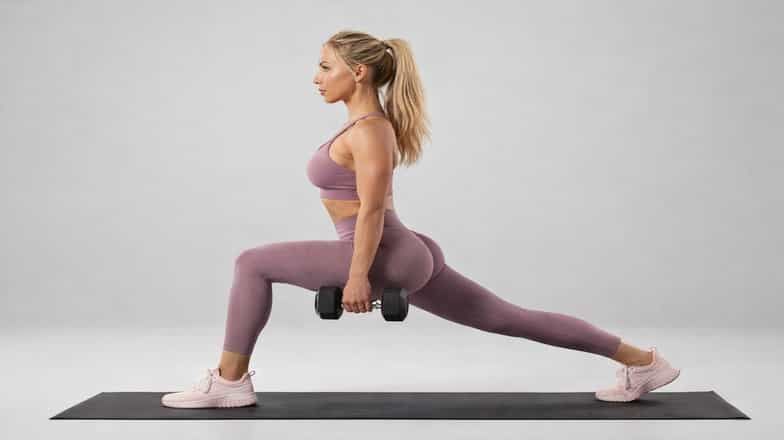
Yes, if your main goal is to build the habit and feel better week to week. One session works well when training is new to you, or when you want structure without turning fitness into your whole schedule.
For example, you might do one coached full-body session every Saturday. You focus on basic movements (squats, rows, presses, core work) and slowly increase what you can handle. You’ll notice better posture, stronger muscles, and more confidence in how you move. It’s also a good option if you want to train at a women-only gym like BODIFY but prefer starting slowly with support.
Best for: building consistency, improving posture, getting back into training.
2–3 Workouts per Week – The Optimal Balance for Most People
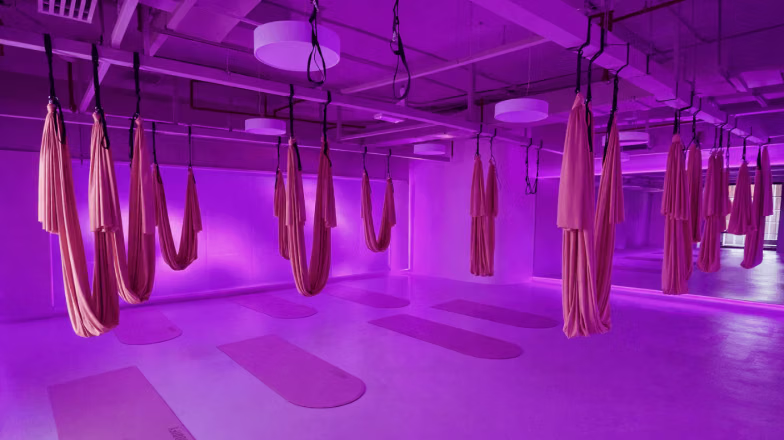
This is the best choice if you want visible results without needing daily workouts. Two or three sessions per week is enough to tone, get stronger, and lose fat—because you’re training often enough to improve, while still giving your body time to recover.
For instance, two strength sessions (full-body or upper/lower split), plus one group fitness class for core, mobility, or conditioning will be ok. This is where many women see the “I feel different in my clothes” changes. It’s also easier to stay consistent with, which matters more than the perfect plan.
Best for: toning, fat loss, strength, overall fitness.
4+ Workouts per Week – For Advanced or Goal-Driven Training

Four or more workouts per week can be great when you have a clear goal and you enjoy training often. But it needs structure. The idea isn’t doing hard sessions every day. It’s mixing training types so you can improve without feeling worn out.
A realistic weekly setup could be: two strength sessions, one focused class (core or mobility), and one cardio/conditioning session.
This approach is common for women training for performance goals (like improving stamina, lifting heavier, or changing body composition faster). In a coached environment like BODIFY, it’s easier to plan these sessions properly so they work together.
Best for: advanced goals, faster progress, performance-focused training.
Lifestyle Factors That Influence Your Ideal Training Frequency
Your training schedule has to fit your real week. The best frequency is the one you can repeat consistently, even when life is busy.

Key things to check:
- Your real availability: if you truly have two open slots, plan for two workouts, not four.
- How you feel the next day: you should feel normal and capable, not wiped out for days.
- Your sleep: if you regularly sleep under 6–7 hours, fewer sessions usually work better.
- Your stress load: high-stress weeks often need fewer, higher-quality workouts.
- UAE climate: in hot months, indoor, coached sessions are easier to manage and stay consistent with (like classes at BODIFY).
If your week is full, fewer sessions done well will still deliver strong results.
Modern Training Approaches That Save Time in Dubai
A clear structure makes training easier to follow. You arrive, follow the session, and leave knowing you trained with purpose.
Time-smart options include:
- Personal Training: you train at a set time with a coach who plans the session based on your goal. for example, for toning you might do two strength sessions per week focused on glutes, legs, back, and core, with gradual increases in weight or reps. This keeps progress clear and measurable.
- Small Group Classes: classes work well when you like a set routine. You choose two or three class times each week and stick to them. A typical class includes a warm-up, a main workout, and a cool-down, so the session feels organised from start to finish.
- EMS Training (where available): EMS (Electrical Muscle Stimulation) sessions are short and structured. Many people use one EMS session per week alongside regular strength training or classes as an extra option for muscle activation and variety.
At BODIFY, these options are designed to feel straightforward: coached sessions, clear programming, and a comfortable space where you can focus on your training.
Common Mistakes When Choosing Training Frequency
Good progress comes from a plan you can repeat. When training frequency matches your week and your goal, results build steadily.
Here are the most common mistakes to watch for:
- Picking a frequency that doesn’t match your schedule: for example, planning 5 workouts when you reliably have time for 2–3.
- Training without a weekly structure: doing random sessions instead of knowing what each workout is for (strength, cardio, core, mobility).
- Repeating the same “hard” workout every time: strength, conditioning, and lighter sessions each have a role.
- Stacking strength days too close together: for example, heavy lower body on Monday and again on Tuesday, instead of spacing sessions out.
A simple rule: choose a workout frequency you feel confident you can keep for the next 8–12 weeks, then adjust based on how you feel and what results you see. Consistency brings better progress than chasing a perfect schedule.