


Are You Training Hard but Not Improving?

Pushing harder can feel like the “serious” way to train. Add another HIIT class, chase heavier weights every week, squeeze in a second workout because you have time. And yes, that can work for a while. Then one day your body stops playing along. If you’ve been feeling stuck, tired, or weirdly sore from workouts that used to feel fine, read on and use the readiness checklist at the end before you add intensity again.
What often gets overlooked is that progress doesn’t come from effort alone — it comes from how well your body can adapt to that effort. Without enough recovery, even well-designed training starts to lose its effect. Sleep quality drops, motivation fades, and small aches turn into persistent issues. Instead of getting stronger, you end up spending more energy just trying to feel “normal” between sessions.
This is where smarter training choices matter more than pushing through. Learning to recognise early signs of overload allows you to adjust before burnout or injury sets in. Strategic rest, lighter sessions, or supportive recovery work can restore momentum far faster than forcing another hard workout. Before you turn the dial up again, it’s worth checking whether your body is actually ready to handle more.
The “More Is Better” Myth. What Intensity Actually Means
Intensity is not the same as “doing a lot.” It’s the level of effort inside a session.
- Cardio intensity: how hard your heart and lungs are working. A simple test is talking. At moderate intensity you can talk but not sing; at vigorous intensity you can only get out a few words before you need a breath.
- Strength intensity: how heavy the load feels for you that day. A set of squats can be “high intensity” even with a lighter bar if you’re tired, under-fueled, or training in hot, humid weather.
Volume is the amount: total sets, total minutes, total sessions. People get into trouble when they raise intensity and volume at the same time, then keep doing it week after week.
How to Spot the Turning Point. When Progress Starts to Stall
Sometimes the only clear sign is performance dropping, and that’s part of what makes overtraining hard to catch early. A major sports medicine consensus points out that early, clear diagnosis is tough and that many other factors can sit in the background, like low energy intake, illness, stress, and sleep issues.
So instead of waiting for a big crash, look for small shifts that show up in daily life.
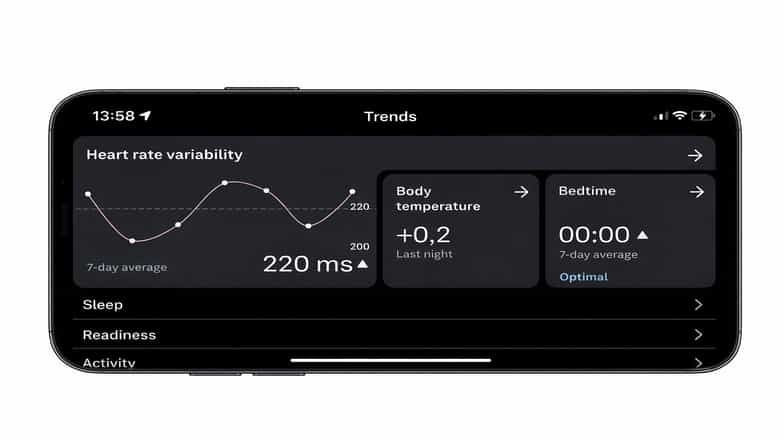
Performance, sleep, mood, and soreness—your early warning system
Here’s a simple way to check your “signals” without getting obsessive.
| Signal | What you might notice | A smart response for 7 days |
| Performance | Same pace feels harder, weights feel heavier, reps drop | Keep one hard session, make the rest moderate or easy |
| Sleep | Falling asleep feels harder, waking up early, light sleep | Set a wind-down routine and protect 7+ hours most nights |
| Mood | Short temper, low drive, feeling flat | Reduce training stress for a week and add gentle movement |
| Soreness/pain | Soreness lasts 3+ days, tendons feel “hot,” nagging aches | Swap impact work for low-impact, book a physio check if it lingers |
If two or more of these show up together, that’s usually your turning point.
Why Too Much Intensity Backfires
High-intensity work is a stress. That’s not bad. Stress is how the body adapts. The issue is piling stress on top of stress.
Medical sources describe overtraining as happening when you don’t recover between intense sessions, and it can show up in physical and mental ways. The big consensus statement also notes how often things like low energy intake, sleep problems, illness, and life stress sit alongside the training load.
Stress load, recovery debt, and how it affects fat loss and strength
Stress load is the total pressure on your body and mind. It’s workouts, busy days, heat, walking more than usual, late nights, and even travel. Recovery debt happens when that pressure stays high but your rest, food, and sleep stay low, so your body is always trying to “catch up.”
- Strength can stall. If you train hard while tired, your muscles and nervous system don’t adapt well, so the same weights start to feel heavier.
- Fat loss can slow down. Hard sessions can raise hunger and cravings, and you may move less for the rest of the day because you feel drained.
- Water weight can rise. Intense workouts can cause swelling in muscles, especially after HIIT or heavy leg days, so the scale may jump even if you’re consistent.
- Women can feel it sooner. If you sweat a lot and eat too little, your energy drops fast, recovery slows, and your cycle may shift.
In hot weather, this adds up quickly. A steady plan with sleep, enough protein, and carbs around training often gets results moving again.
How to Adjust Without Losing Momentum
Pulling back for a short window is still training. It’s pacing.
A simple pattern that works for many women is keeping one truly hard session per week (the one you enjoy most), then making the rest “build” sessions: moderate strength work, steady cardio, walking, Pilates-style control, mobility, or technique practice.
A few practical tweaks that tend to land well:
- Lower the number of all-out sets: stop a set when you feel you could do 1–2 more reps with good form.

- Swap one HIIT session for steady cardio: incline treadmill walk, bike, row, or swim at a pace where you can talk in sentences.
- Eat like you train: on hard days, add carbs and protein instead of “saving” food for later. A sports nutrition position stand suggests per-meal protein doses often land around 0.25 g/kg, or roughly 20–40 g, depending on body size.
- Hydrate with intent: if you sweat a lot, plain water may not be enough. Use an electrolyte drink or add salt to meals, especially in hot conditions. ACSM notes heat stress calls for extra attention to fluids and, at times, lowering intensity and session length.
If fatigue feels “bigger than training,” consider a basic check-in with a clinician. Low iron can feel like low fitness: tiredness, weakness, breathlessness.
A Practical Self-Check Before You Increase Intensity Again
This is the part most people skip because they’re motivated. Motivation is great. Readiness is better.
The “readiness” checklist to decide if you should push or pull back
Before you push harder, check that your body is ready. Small steps beat big jumps, and hot weather can make hard training feel harder.
- Slept about 7 hours and woke up rested;
- Last two sessions felt steady, not messy;
- Soreness is mild and gone in 1–2 days;
- Hunger is normal and you’re eating real meals;
- Mood feels stable, and your cycle feels normal for you.
If most points fit, change one thing at a time: add 2.5 kg to a lift, add one extra set, or add one fast interval. Keep the rest of the week the same for 1–2 weeks so your body can adapt.
If they don’t fit, train lighter, walk, and focus on water plus electrolytes. If you want a coach to pace it with you, try a session at BODIFY gym in Dubai.