


Why Some Workouts Work and Others Don’t: 7 Real Factors
Workout effectiveness often comes down to what happens outside the studio as much as what happens inside it. In Dubai, intense heat, busy schedules, frequent travel, and irregular recovery can quietly slow progress, even when your training stays consistent.
Many people follow a solid routine with the expert coaches at the BODIFY team and still feel results take longer than expected. Once you understand the real factors behind workout effectiveness, you can train in a way that actually matches how your body adapts here. The seven factors below explain what makes the biggest difference.
1. Training Structure And Load Management
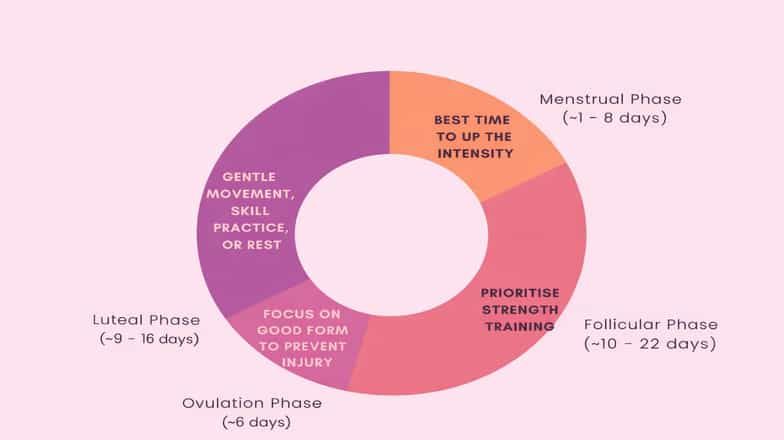
Workout effectiveness depends on how training stress builds over time. If every session repeats the same intensity or format, the body adapts quickly and progress slows. Many people stay consistent but unknowingly train in a flat pattern: the effort feels high, but the stimulus stops being new.
In Dubai, this happens even faster because heat, long workdays, and irregular energy levels make constant intensity harder to recover from. Structured programming at BODIFY helps distribute load across the week so training supports adaptation instead of creating repeated fatigue.
2. Recovery Quality Shapes Results

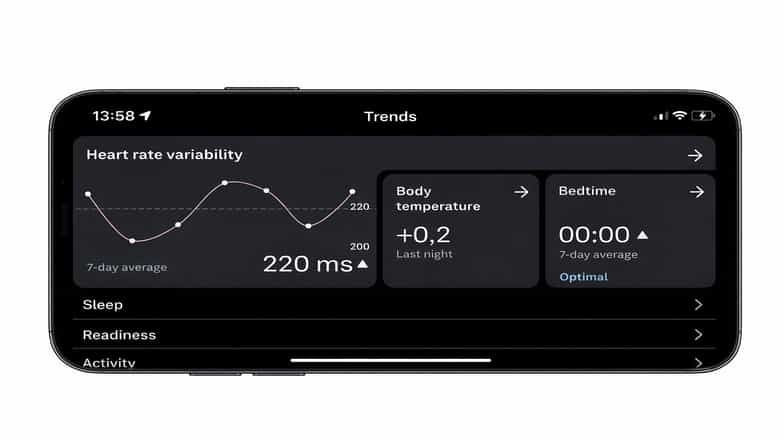
Your body doesn’t improve during the workout, it really improves after it. If recovery stays low, training becomes maintenance, and you don’t feel the progress. Recovery is shaped by:
- sleep consistency,
- hydration and electrolyte balance,
- nervous system reset,
- joint and connective tissue care.
In UAE heat, even mild dehydration or short sleep slows adaptation. Mobility and low-impact sessions help the body absorb training load instead of staying stuck in fatigue.
3. Consistency Beats Short-Term Intensity

Training often starts strong. You feel focused, you show up, you push. Then life interrupts, energy drops, sessions feel heavier, and the routine stops being automatic. Real progress comes from what you can repeat week after week, not from a short intense stretch that burns you out.
Dubai schedules rarely stay stable. Travel, long hours, and late evenings make rigid plans difficult to maintain. A flexible class structure at BODIFY allows consistency without the pressure to train at maximum intensity every time.
4. Variety Of Movement Keeps Adaptation Active
Repeating one training style feels controlled, but it limits your results. The body becomes efficient, and efficiency reduces stimulus. You keep showing up, but the response of your body gets smaller. A balanced routine usually includes:
- strength for muscle capacity,
- cardio for endurance and circulation,
- mobility for recovery and joint function,
- coordination-focused movement for control.
Rotating formats keeps adaptation active without increasing total volume or pushing harder every session.
5. Coaching And Technique Efficiency
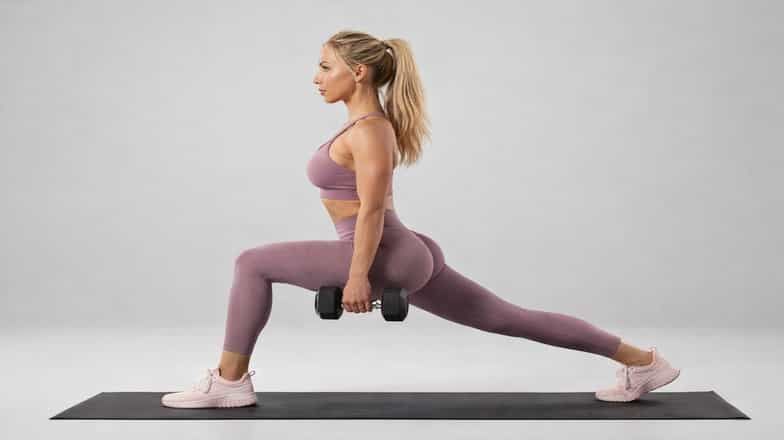
You can work very hard and still feel like something isn’t clicking. When movement is slightly off, the body compensates. The wrong muscles take over, exercises feel heavier than they should, fatigue builds faster, and progress slows down. Small technique issues are often what turns training into struggle instead of results.
Good coaching improves how your body uses energy. In Dubai, many clients return after sedentary periods or frequent travel, so technique work becomes a foundation. Group training with professional guidance at BODIFY helps rebuild movement quality without overcomplicating the process.
6. Lifestyle Stress Limits Adaptation

Your body adapts based on available recovery capacity, not on your motivation. When stress stays high, adaptation slows even if training remains consistent.
Common Dubai-specific stressors include:
- long work hours,
- constant screen time,
- late evenings and social schedules,
- heat-related fatigue.
That’s why alternating higher- and lower-intensity sessions at BODIFY matters. It allows progress without pushing the system into overload during busy weeks.
7. Nutrition And Hydration Support Training

Training cannot compensate for low fuel or dehydration. Workout effectiveness depends on what supports the work outside the studio.
The basics that matter most:
- enough protein for repair,
- carbohydrates to sustain training output,
- hydration throughout the day, not only during your sport sessions.
In Dubai, air conditioning and heat often reduce thirst signals. Even mild hydration gaps affect performance, recovery speed, and focus.
Building Workout Effectiveness That Lasts
Workout effectiveness comes from how the pieces fit together over time: training load, recovery, consistency, movement variety, technique, stress balance, and the basics like hydration and nutrition.
When those factors line up, progress feels clearer. Sessions stop draining you, recovery becomes smoother, and results build without constantly chasing intensity.
BODIFY in Dubai is structured around that full mix. Different class formats support different needs across the week, so you can train, recover, and keep improving in a way that stays realistic. If you want to see how the classes work together, explore the BODIFY schedule and find the combination that suits you.