


Training Hard, Progressing Slowly? Here’s Why Adaptation Takes Time

You usually start training with clear expectations and a specific goal: to feel stronger, fitter, and more confident in how your body looks and feels. You organise your schedule, show up consistently, and follow the routine you’ve chosen, often training with experienced fitness professionals in Dubai. After a few weeks, progress can feel slower than promised, especially in a fast-paced city like Dubai where time, stress, heat, and long workdays all affect recovery. That frustration leads to a common question: why training adaptation takes longer than expected, even when you do everything “right”.
When you’re choosing classes and trying to build a routine, the key factor is understanding how different types of training work together over time. At BODIFY, the class structure is designed around this idea, allowing you to combine formats rather than commit to a single intensity or style too early. This approach helps avoid the common situation where effort stays high but progress feels slower than expected.
What Your Body Is Doing In The First Months of Training

When you start training or return after a break, visible change is not the body’s main task. Early on, your system focuses on coping with regular load without breaking down.
- Muscles learn to activate more efficiently.
- Coordination improves.
- The cardiovascular system adapts.
- Joints, tendons, and connective tissue adjust more slowly.
This mismatch explains the early frustration. Strength may improve one week, then fatigue or stiffness shows up the next. That phase feels inconsistent, but it sets the base for stable progress later. Once these internal systems adapt, training becomes easier to repeat and results stop feeling forced.
Why Progress Feels Slow Even When You Train Regularly
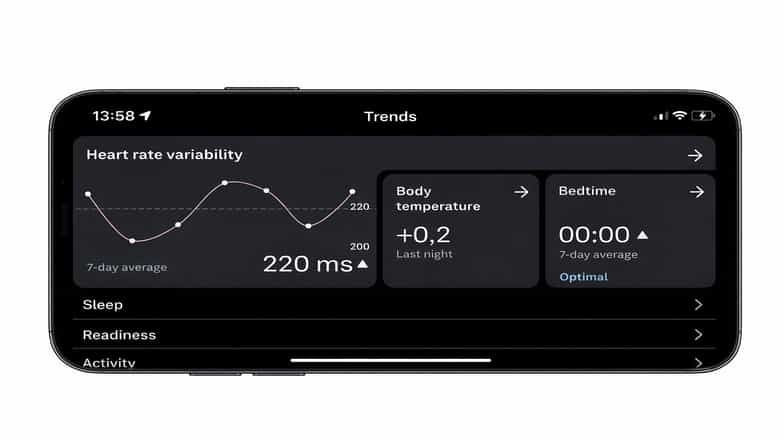
In Dubai, training consistency often improves faster than recovery habits. Long workdays, late evenings, business travel, heat exposure, and irregular sleep all limit how well the body absorbs training.
When recovery stays low but training intensity stays high, the body shifts into maintenance mode. It focuses on surviving sessions rather than adapting to them. That’s why effort stays high while results stall.
At BODIFY, the class structure helps solve this. You can alternate intensity across the week instead of repeating the same demand every session. That keeps training regular without overloading one system, which supports steadier adaptation.
The Problem With Doing Only One Type Of Training
Sticking to one class format feels controlled and familiar. Over time, that predictability works against progress. When movement patterns and intensity stay the same:

- The body becomes efficient.
- The stimulus weakens.
- Adaptation slows.
Mixing formats creates new signals for change:
- Strength sessions challenge muscle capacity.
- Cardio sessions stress endurance.
- Mobility and stretching support tissue recovery.
BODIFY’s schedule allows this rotation without complex planning. You train different systems instead of pushing the same one repeatedly.
Why Training In Dubai Needs A Flexible Approach
Lifestyle has a stronger impact on training adaptation in Dubai than many expect. Heat, social schedules, late nights, and variable energy levels all affect recovery speed.
Rigid routines break down quickly in this environment. A flexible structure works better: harder sessions on high-energy days and technique, mobility, or recovery-focused classes when energy drops.
This BODIFY approach keeps progress moving without adding pressure or forcing missed sessions to “catch up”.
What Actually Helps Training Adaptation Move Forward

Adaptation improves when training stays sustainable over weeks, not days. Short bursts of effort followed by long breaks rarely lead to lasting results. What matters most is maintaining a routine that your body can absorb and repeat without constant fatigue or setbacks.
Several factors support this process over time:
- Rotating class types across the week to balance strength, cardio, and recovery
- Increasing intensity gradually rather than making sudden jumps
- Adjusting sessions based on recovery levels instead of training out of guilt or pressure
When training fits your schedule, energy, and recovery capacity, consistency becomes easier to maintain. You spend less time restarting and more time building momentum. As a result, progress feels steady, controlled, and sustainable.
How BODIFY Supports This Process

BODIFY is built for people who want results without burning out. The training system is designed to balance effort and recovery, allowing members to combine different class formats based on their needs and energy levels. You can choose pilates for controlled strength and posture, calorie burn sessions for higher intensity and endurance, stretching or aero yoga for recovery and mobility, or dance based classes that improve coordination and cardiovascular fitness.
This variety allows different systems in the body to develop at the right pace without placing constant stress on a single area. Alternating intensity helps reduce fatigue and supports better recovery between sessions. Instead of pushing harder every workout, you focus on consistency and sustainable progress. Over time, the body adapts more efficiently, movement becomes easier, and training feels more controlled and manageable rather than exhausting.
Choosing A Training Style That Works

Training adaptation takes longer than expected because your body protects stability before it shows visible change. Early phases focus on internal adjustments such as coordination, joint tolerance, and nervous system efficiency, which are not immediately visible but are essential for long term results. Real progress comes from balancing effort with recovery, not from pushing intensity every session.
If you want training that fits real life in Dubai, explore how BODIFY’s classes work together. Flexible scheduling and varied class formats make it easier to stay consistent despite work demands, heat, and travel. You can build a routine that supports steady progress and stays realistic long term.