



Core Strength vs Core Stability: What’s the Difference and Why Both Matter?
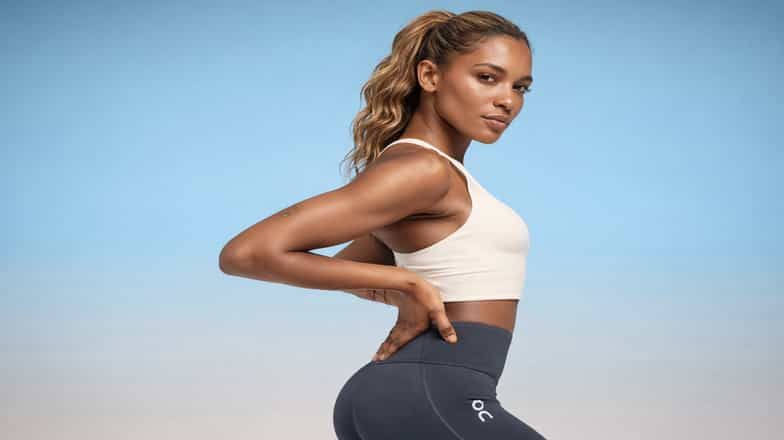
Are you among women who aim for a tighter waist, better posture, and that strong yet feminine look? If so, this article is for you.
You know, abs naturally get attention. At the same time, core strength and core stability are two different skills! Both deserve space in your training.
If you train regularly, especially in structured formats like BODIFY’s group fitness classes for women in Dubai, you’re likely already working on both, but if you are training on your own, once you understand the distinction, core training feels more intentional and more effective.
What core strength really means
Core strength is exactly what it sounds like: your ability to produce force through your trunk muscles. It’s the “muscle effort” part of core training. The kind of exercises where you feel the burn and your abs actually move.
Core strength exercises include:
- weighted sit-ups;
- cable crunches;
- medicine ball slams;
- Russian twists;
- hanging knee raises.
Core strength helps when you want:
- more visible definition;
- stronger performance in lifts;
- better power and rotation;
- that “tight core” feeling during workouts.
If your goal includes a sculpted midsection, core strength matters. A lot.
What core stability means
Core stability is a little less obvious thing. It’s your ability to keep your spine and pelvis controlled while the rest of your body moves. So instead of creating movement, stability is about resisting it. That’s why stability exercises often feel really hard!
Core stability exercises include:
- planks;
- dead bugs;
- bird-dogs;
- side planks;
- Pallof press holds.
Core stability supports: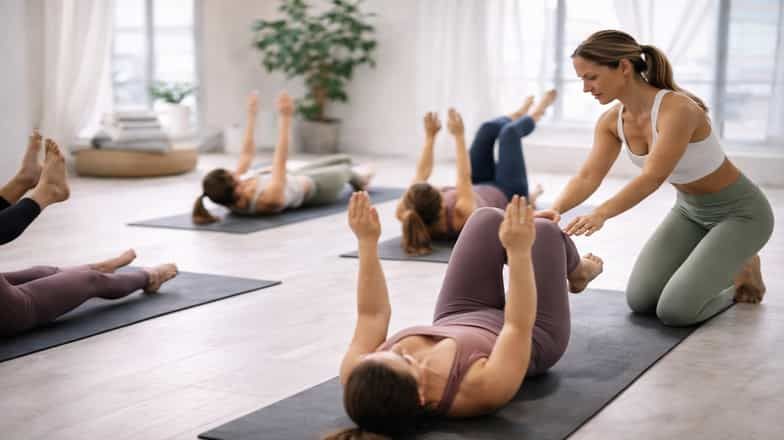
- posture;
- balance;
- smoother squats and lunges;
- safer strength training;
- less pressure on the lower back.
It’s also the reason some women feel stronger in the gym even before they see physical changes.
Why core strength without stability creates problems
Here’s something you might recognise: you train abs regularly, you feel the burn, but during squats or lunges, your lower back still feels overloaded. That usually happens when strength exists… but control is missing.
Without stability, you may notice: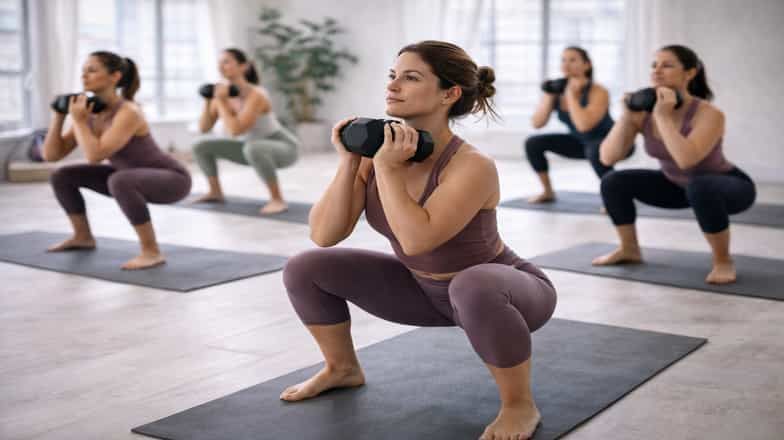
- your ribs pop up during overhead presses;
- your back arches in squats;
- your hips shift during lunges;
- your neck gets tense during core work.
The body finds “shortcuts” when it can’t stabilize properly. It recruits the wrong muscles.
And the funny part is, you still feel tired after training. It just doesn’t feel clean.
Why stability alone doesn’t work
On the other side, some women train stability nonstop: planks, dead bugs, Pilates… and they build great control. But strength still matters. A stable core gives you control, but strength gives you power and shape. If your workouts include lifting, resistance training, or calorie-burning classes, you want both. Stability gives you the base. Strength builds the visible and athletic part.
How modern core training blends both
Core training has evolved a lot! The old “100 crunches a day” mindset feels outdated for a reason. Most good training programs now include a mix of…
Controlled strength work
Slow sit-ups, weighted movements, tempo core work. You build muscle without losing form.
Anti-rotation training
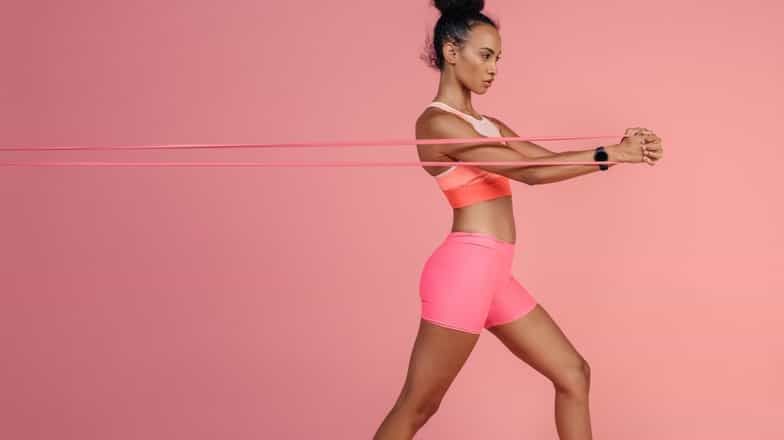
Anti-rotation training means your core works to resist twisting rather than create it. Think of moves like the Pallof press, a plank shoulder tap (staying square as you lift one hand), or a suitcase carry (walking with one dumbbell without leaning).
These drills build a “locked-in” midsection, improve posture and waist control, and help protect your lower back by teaching your body to stay stable when forces try to rotate you.
Full-body integration
A strong core shows up in squats, lunges, deadlifts, carries, and even push-ups.
Breath-based activation
Breathing properly helps activate deeper core muscles. You feel stronger almost instantly once you learn it. This is the kind of training that makes your waist feel tighter even when your weight stays the same.
Why core training feels extra important in Dubai
Dubai life looks glamorous, but your body feels the pressure.
Long hours sitting. Traffic. Work stress. Late dinners. Heat. Air-conditioning.
Many women go from “desk posture” all day straight into intense workouts.
That’s why core stability becomes such a big deal here. Your body needs support before it needs intensity. A strong core helps you feel grounded, especially in a fast lifestyle.
How to train core strength and stability
You don’t need a complicated routine. You need a smart balance.
Here’s a simple weekly approach.
Stability-focused sessions (1–2 times per week)
Planks with slow breathing, side planks, dead bugs, Pallof holds.
Strength-focused sessions (1–2 times per week)
Weighted sit-ups, cable crunches, hanging leg raises, medicine ball work.
Moreover, use your core during full-body training. Squats, lunges, presses, and rows become core exercises when you keep your alignment clean. And honestly, that’s how most women get the best results.
Signs you’re training your core the right way
When strength and stability start working together, you’ll notice it quickly.
You may feel:
- stronger posture during the day;
- less back fatigue on leg days;
- better balance in single-leg movements;
- more control in overhead training;
- more definition over time;
It feels like your body moves “together” instead of feeling like separate parts fighting each other.
Strong core, stable body
Core strength and core stability are both important, and they support different things.
Strength gives you power and definition. Stability gives you control and protection.
When you train both, your workouts feel smoother, your posture improves, and your body handles intensity with less stress.
If you want structured training that builds your core naturally through full-body movement, strength work, and controlled conditioning, explore BODIFY’s group classes. The right format makes core training feel simple — and honestly, much more satisfying.