


What Is Sleep Debt and How It Impacts Your Training Results?

Between long workdays, late-night social plans, and frequent travel, many people unknowingly build sleep debt over time. It’s why training feels heavier, recovery takes longer, and progress doesn’t match the effort you’re putting in.
If you’re building a routine with structured workouts — for example, through our Bodify group fitness classes — sleep debt is worth understanding, because it directly affects performance and results.
What sleep debt actually is

Sleep debt is the total amount of sleep you’ve missed over time. Think of it like a running tab.
Let’s say you feel your best within 8 hours. If you sleep 6 hours for four nights, you’ve stacked up about 8 hours of sleep debt. You can still function, still work, still train… but the body starts cutting corners.
It’s not only about hours
Quality matters too. If you’re in bed for 8 hours but wake up a lot, scroll on your phone at 2 a.m., or sleep at different times every night, your recovery can still be messy. Many people say in the morning: “I slept enough, but I’m not relaxed.
How sleep debt messes with training results
Sleep debt often shows up as:
- heavier weights feel heavier than they should.
- less focus (you miss cues, lose rhythm, or can’t find your pace);
- slower progress week to week.
Training stresses the body. Sleep is when it is repaired. When sleep is short, recovery becomes slower, and workouts start to pile up.
A common Dubai pattern: you train hard Monday and Tuesday, and by Thursday your body feels like it’s still catching up. That doesn’t mean you’re lazy or not disciplined. It’s usually your recovery budget getting overdrafted.
The Dubai factor: why it’s so common here
Dubai is a city that naturally runs late. It’s exciting, social, and always on. A few local realities often push sleep later:
- dinner plans start late;
- work hours can stretch;
- gyms are open late (which is great, but can shift bedtime);
- travel is frequent, even for “quick” trips;
- seasonal schedule changes (including Ramadan for some people).
So the best approach is not to go to bed at 9 p.m, but build a sleep routine that fits your real life.
Practical ways to reduce sleep debt without turning your life upside down
Here’s what Bodify co-owner Nastya Bonds actually suggests if you want to feel good, sleep well and be strong, fit and healthy.
Start with a consistent wake-up time
Keep your wake-up time stable most days (even on weekends, within about an hour!). We know you want to hang out with friends on Friday nights and sleep until lunch on Saturdays. But believe us, if you at least wake up at the same time every day, your overall state will show you a huge thanks.
Add sleep in small, believable pieces
If you’re sleeping 6 hours, don’t force 9 overnight. Try to go to bed 30–45 minutes earlier each week. It’s doable, isn’t it?
Use light like a tool
Dubai evenings are bright — malls, screens, city lights. Try dimming lights, sleeping masks and lowering screen brightness about 45–60 minutes before bed. It sounds basic, but it’s one of the fastest ways to make falling asleep easier.
Naps: keep them short
A long nap can steal your night sleep. If you nap, aim for 20–30 minutes earlier in the day.
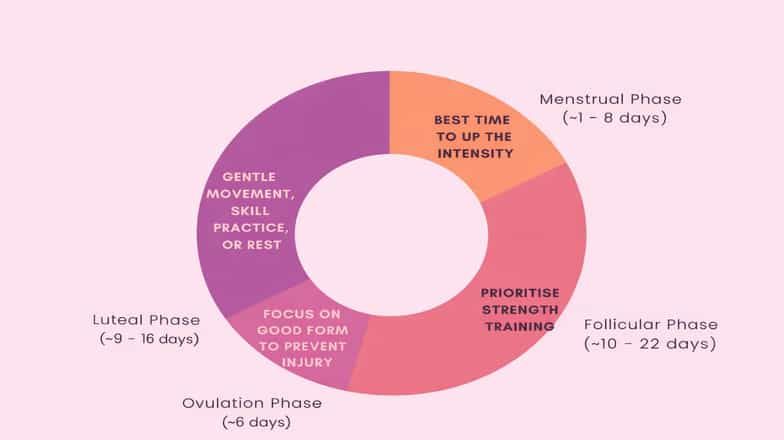
Match training intensity to your sleep
If you slept badly, keep your routine going with a session that feels manageable today.
On low-sleep days, choose:
- technique-focused strength;
- steady cardio;
- mobility / Pilates-style sessions;
- lower-impact formats.
Save hard workouts for days you’re actually recovered. You’ll progress faster that way.
How do you know for sure you’re recovered? Use devices such as the Whoop bracelet, Apple Watch or other wearable devices about which we wrote below.
Modern devices that help with sleeping
If you already use a wearable, it’s a handy way to notice trends in your sleep and recovery.
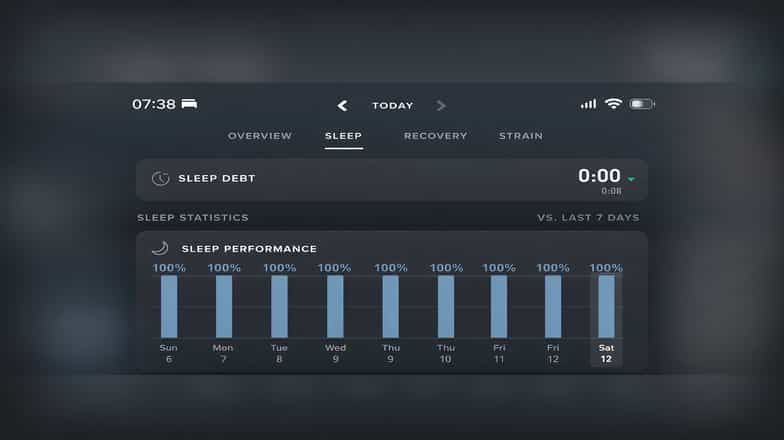
Sleep tracking

With a smartwatch or fitness band, you can track:
- total sleep time;
- time to fall asleep;
- number of awakenings;
- sleep stages (as relative data);
- consistency of bedtime and wake time.
Sounds great, huh? But please, don’t treat the numbers like a grade! Treat them like a journal!
How to use sleep data wisely?
- compare training days vs rest days.
- see how late meals or caffeine affect sleep.
- notice patterns during stressful periods.
- determine how many hours you actually need to feel functional.
If the data shows you sleep 6 hours on hard training days and 8 hours on recovery days, you’ve found a lever. Often the issue isn’t workload, it’s sleep debt.
Extra tip: Track morning energy and mood alongside sleep metrics. After 2–3 weeks, patterns usually become really clear.
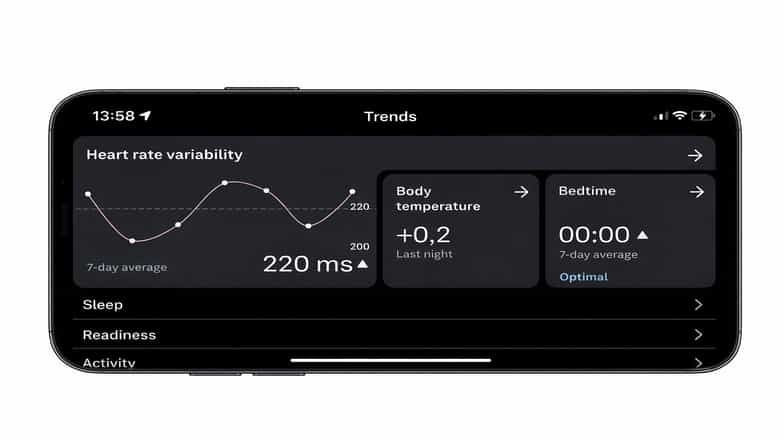
HRV and recovery scores
Many modern devices estimate heart rate variability (HRV), which reflects how recovered your nervous system is. Higher HRV often suggests readiness. Lower HRV may signal accumulated stress.
What to do with this information: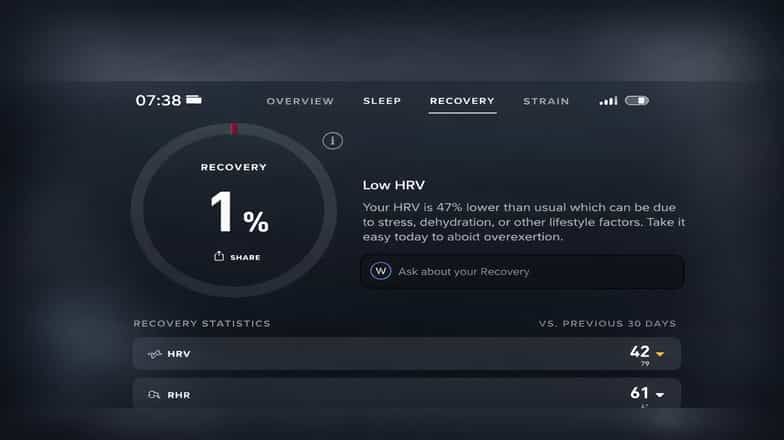
- schedule intense workouts on high-readiness days;
- choose lighter sessions when recovery is low;
- observe the impact of travel, alcohol, or life stress.
This is especially useful if you train consistently and want to adapt your plan based on physiology instead of pushing blindly.
Smart alarms
Some apps and wearables wake you during lighter sleep within a selected time window. Thanks to such devices, you can feel less grogginess in the morning, early wake-ups become smoother, and your routine becomes more stable.
Light management tools
Blue-light filtering modes on devices, blue-light blocking glasses, smart bulbs that shift to warmer tones in the evening, sleeping masks… All of these are surprisingly effective when talking about sleep quality. It’s because light strongly influences circadian rhythm. Reducing bright, cool light at night helps the body transition toward sleep.
White noise and sound apps
Did you know background sounds like rain, ocean waves, or steady white noise can make it easier to fall asleep? It is also helpful for light sleepers! Worth try absolutely.
Breathing and wind-down apps
Short evening relaxation protocols and guided breathing exercises help shift the nervous system from activation to recovery mode.
Even 5–10 minutes of slow breathing before bed can:
- lower arousal levels;
- shorten sleep latency;
- improve subjective sleep quality.
During meditation, close your eyes, focus on your breath, on the sounds from outside, or on the sound from the app.
Final thoughts
Sleep debt is simply missed sleep that accumulates. In training, it often looks like slower progress, heavier sessions, longer soreness, and louder cravings. The fix doesn’t need to be extreme: steady wake-up time, a little more sleep, less bright light late at night, and training intensity that matches your recovery.
If you want a routine that feels good and stays consistent, explore the class formats at Bodify and choose a schedule you can actually live with!