



Top 7 Balance and Stability Exercises to Improve Everyday Movement
In a city like Dubai, your body is always “on the move”: heels at events, long airport walks, fast workdays, and back-to-back plans that don’t slow down. Balance and stability are what make all of that feel effortless: staying steady, moving cleanly, and protecting your joints when life gets busy. That’s why stability work is built into structured training like Bodify’s group fitness classes for women in Dubai. It impacts how well you can walk, lift, turn, and hold posture without wobbling, straining, or compensating.
Why balance and stability matter more than you think
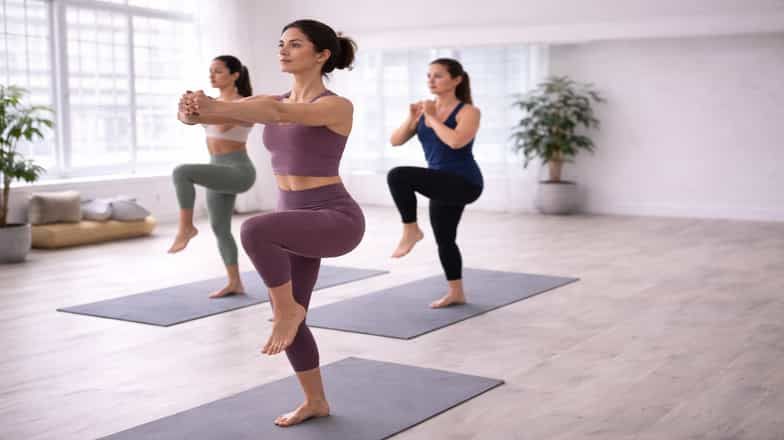
Muscle stability supports almost everything: walking, lifting, climbing stairs, turning quickly, and even standing still. When stability improves, you waste less energy correcting yourself. Your joints feel more supported. Your posture improves without forcing it.
What balance training actually improves
Balance and stability work strengthen smaller muscles that often get ignored in traditional workouts. These muscles support your ankles, knees, hips, and core.
Over time, you may notice:
- better posture during long workdays;
- more control in strength exercises;
- fewer random aches in knees or lower back;
- improved coordination;
- more confidence during dynamic movements.
This type of training may look simple, but it builds the foundation for everything else.
Top 7 balance and stability exercises
You can build stability with simple tools and bodyweight movements. Many of these exercises are already part of well-designed programs. What makes the difference is intention and focus while you perform them.
1. Single-leg stand
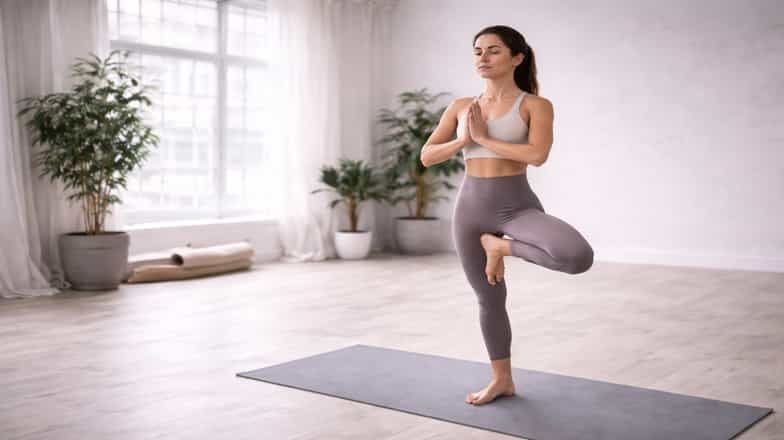
Stand on one leg and hold for 20–40 seconds.
Progressions:
- Close your eyes;
- Add small arm movements;
- Stand on a soft surface.
This wakes up the ankle and foot stabilisers.
2. Single-leg Romanian deadlift
This exercise challenges hip stability while strengthening glutes and hamstrings.
Focus on: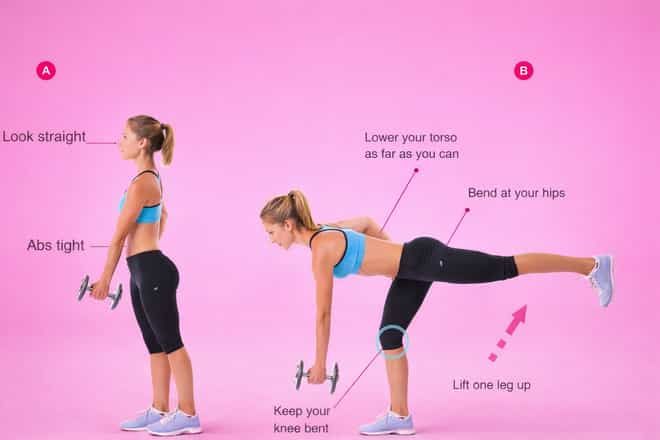
- Slow tempo;
- Neutral spine;
- Controlled return.
Look at the picture.
3. Split squats
Split stance positions expose strength differences between legs.
Keep: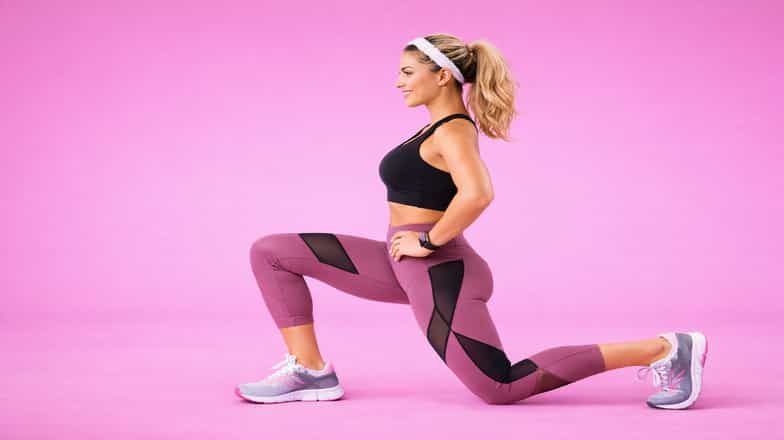
- Front knee stable;
- Core engaged;
- Movement steady, not rushed.
These are especially helpful for women who sit most of the day.
4. Dead bugs
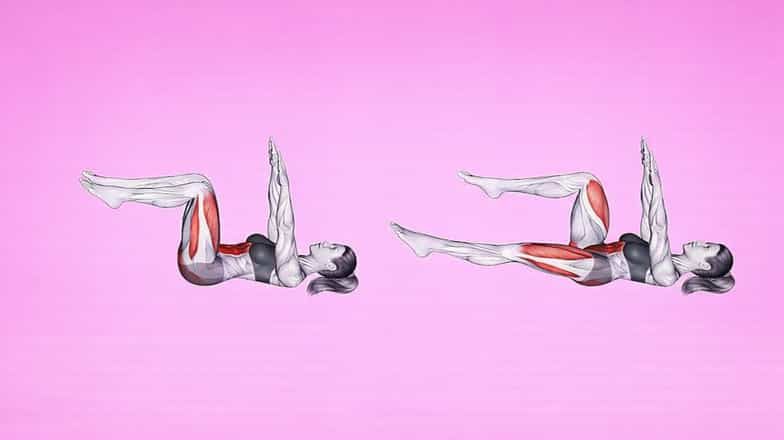
This core stability exercise looks gentle. It’s deceptively challenging.
Lying on your back, extend opposite arm and leg while keeping your lower back stable against the floor.
Dead bugs improve coordination between upper and lower body while training deep core control.
5. Side plank variations
Side planks strengthen lateral core muscles that support spinal alignment.
You can:
- Hold static;
- Add leg lifts;
- Add controlled hip dips.
This builds resilience around the waist and hips.
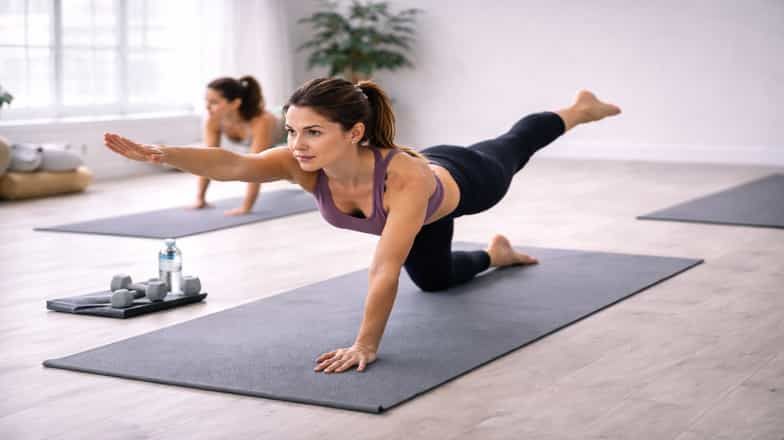
6. Bird dogs
From a hands-and-knees position, extend opposite arm and leg.
The challenge isn’t the extension. It’s keeping the torso steady. Small, controlled movement builds serious stability over time.
7. Step-down control
Stand on a low box and slowly lower one foot toward the floor. Repeat twenty times for each leg.
How to add balance work into your routine
Try this:
- Add one single-leg movement to lower-body day;
- Include a core stability drill in warm-ups;
- Slow down one strength exercise each workout.
Five focused minutes done regularly often beat 30 rushed ones!
Everyday movement starts in the gym
Balance and stability training changes how your body feels during ordinary moments. Getting out of a car. Walking across uneven ground. Standing in heels. Lifting a suitcase.
Those movements feel smoother and look better when your body knows how to stabilise itself.
If you want guidance on how to train balance safely and progressively, explore the group classes at Bodify. Structured sessions make stability work feel integrated, and when balance improves, everything else becomes easier to build on.