


5 Indicators You’re Improving Without Needing a Scale
It’s frustrating when you’re showing up to workouts consistently and still can’t tell if anything is changing. Progress doesn’t always look dramatic, especially if your routine, stress levels, and sleep are all over the place. The good news is that your body gives clear clues when your conditioning is improving. You just need to know where to look.
Here are five indicators that cut through the noise, and if you want a structured weekly routine to measure yourself against, use BODIFY group fitness classes as a steady baseline.
This isn’t about chasing perfect metrics. It’s about noticing the real signals: how your body recovers, how you move, and whether everyday life starts to feel lighter.
1) Recovery gets quicker
The first real sign of better conditioning is that training stops hijacking your week. You can push yourself, move on with your day, and wake up the next morning feeling normal, not wrecked. Soreness may still show up, but it shifts into something manageable: “I worked hard” instead of “I can’t function.”
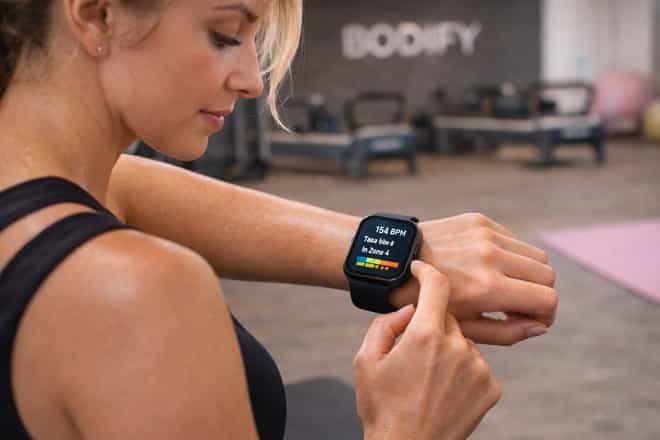
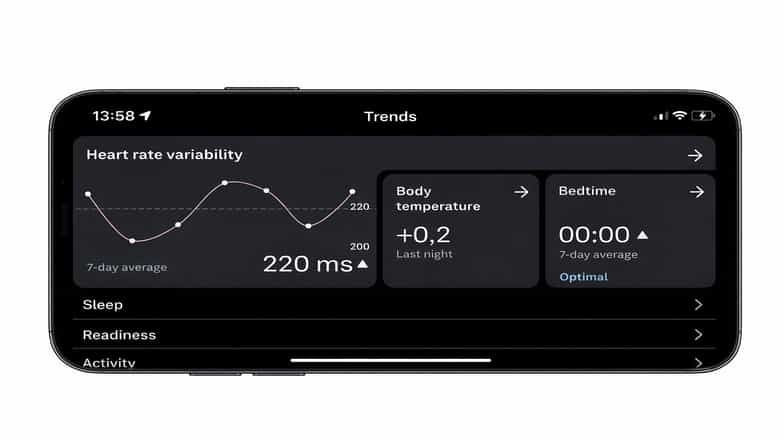
Warm-ups also stop feeling like a negotiation. Your body switches on faster, sessions feel smoother, and sleep often becomes more settled on training days. If you use a smartwatch, treat it as a trend tracker. A steadier resting heart rate and more consistent sleep matter more than any single weird night.
2) Your breathing settles faster
Stamina isn’t only about running times. It’s the moment after a hard set when you can talk again without sounding dramatic. It’s finishing a long walk, climbing stairs, or running errands and still having energy left for the rest of your day.
If your breath comes down faster than it used to and stays calmer under effort, your conditioning is improving, even if nothing else looks “different” yet.
3) You move with more control
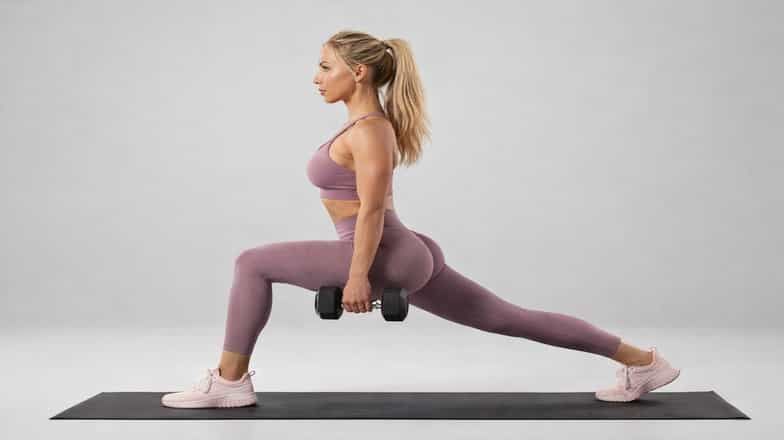
Progress isn’t always louder workouts. Sometimes it’s a quieter movement. Squats feel steadier. Lunges stop wobbling. Planks become something you can hold without your shoulders collapsing halfway through.
This is the kind of improvement that reduces injuries and makes every session more effective. You’re not just surviving the workout. You’re running it.
The “anchor move” trick
Pick one movement you do often (a squat pattern, plank variation, row). Compare it month to month. If you feel more stable from the first rep to the last and you’re compensating less (hips drifting, shoulders tightening, lower back taking over), that’s a clean, reliable sign you’re getting fitter.
4) Mobility improves and posture feels easier
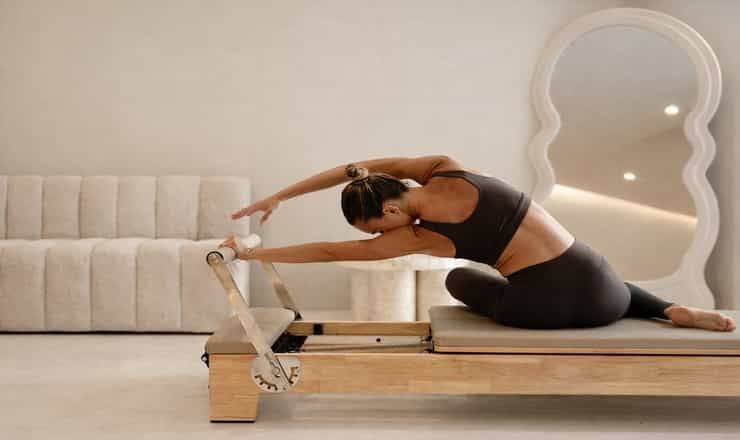
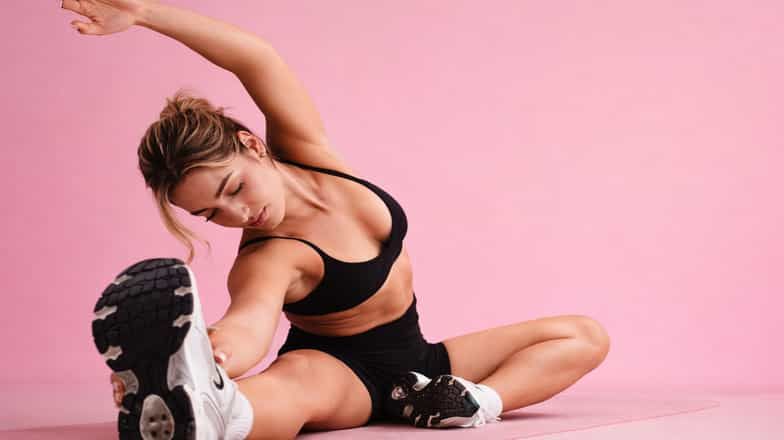
Mobility gains are quiet at first, then suddenly obvious. You reach overhead without pinching. Hips feel freer on stairs. You walk around feeling less compressed, like your body has more room.
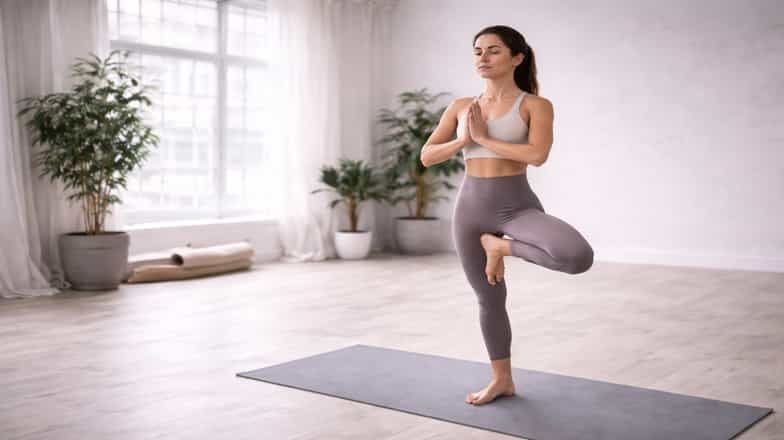
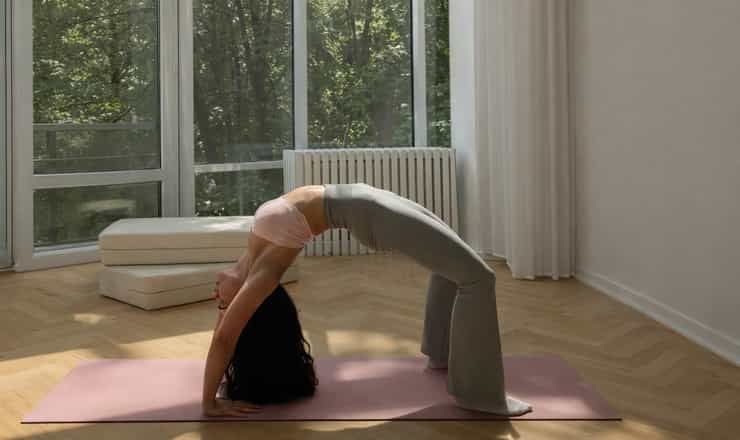
You don’t need an intense stretching routine to notice this. It shows up in warm-ups, everyday walking, and the way your joints feel when you sit, stand, and move. Training styles that blend strength with a controlled range of motion (Pilates sessions, mobility sessions, yoga) tend to speed this up because they build stability and flexibility together.
5) Your body composition shifts in a steady, believable way
“Toned” can mean a hundred things, but the real version is simple: clothes sit better, your core feels more supportive, and you look more defined without having to pose for it. Photos often show this before mirrors do.
The key is keeping your check-ins calm. Pick one method (monthly measurements, one monthly photo, or an occasional body scan) and stick with it. The body changes slowly. Your expectations should match that pace.
Keep it boring
If you swap methods every week, it’s easy to convince yourself nothing is happening. Consistent tracking turns small changes into a clear trend, and that’s what keeps motivation stable.
A simple tracking routine that fits Dubai life
If you want something practical, try this weekly mini-checklist. It takes two minutes:
- Recovery within 24–48 hours
- Breathing settles faster after effort
- Form feels steadier (less wobble, less collapse)
- Hips/shoulders feel freer
- Clothes fit comfortably, and you feel “lighter” in movement
If you’re ticking off more boxes than you were a month ago, you’re improving. Full stop.
Conclusion
Improved physical conditioning isn’t a mystery when you know what to watch for: quicker recovery, faster breath recovery, better movement control, easier mobility, and steady body-composition changes. Put these on your radar, track one or two consistently, and you’ll stop guessing whether your training is “working.”
If you want guidance and a routine you can actually stick to, take a look at the training and class options at BODIFY. A good schedule (even a simple one) makes these indicators show up faster and feel more consistent week to week.