



Gyms Are Changing Forever. All About Multi-Sensory Gyms
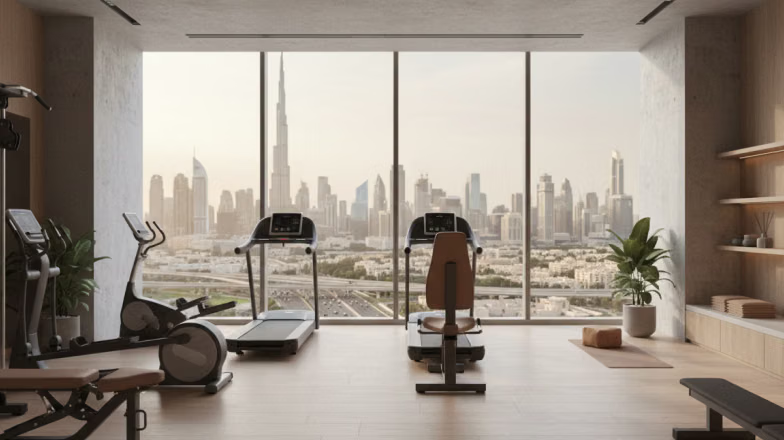
Something quiet but radical is happening inside Dubai’s gyms. What once felt like loud rooms filled with machines and mirrors is turning into spaces that change not only how the body moves — but how the nervous system recovers. In this guide, Nastya Bonds, co-founder of BODIFY, explores how wellness zones are rewriting the rules of training in a city shaped by long workdays, digital fatigue, and constant sensory overload.
Wellness zones signal a deeper shift in the way people relate to effort itself. Training is no longer something that drains you before you return to life, the space now actively gives energy back. Load and recovery no longer fight each other. They begin to work as one system! Finally!
What Actually Makes a Space a Wellness Zone
A wellness zone is built as a sequence rather than a single room. The body moves through different sensory states as training unfolds. This progression influences how effort is perceived from the first warm up to the final stretch.
Each area serves a distinct function:
- Entry zones ease mental tension through quieter sound and softer light;
- Training zones sharpen focus through brighter lighting and firmer surfaces;
- Recovery zones lower stimulation to calm the nervous system.
Nothing feels accidental. The environment directs the state of the body before any instruction begins. This is where the difference from traditional gyms becomes very clear.
Your Senses Decide How Well You Perform
Your nervous system reacts to light, sound, temperature, and surface feel before it reacts to physical effort. These signals decide one thing first: will your body move with tension or control.
Bright light sharpens alertness and speeds up reaction. Dimmer light slows movement and improves accuracy. Harsh, loud sound pushes the heart rate up. Soft sound calms breathing and improves rhythm. Even the grip of the floor changes how your stabilising muscles switch on under load.
When these signals fight each other, the body wastes energy just trying to stay calm. When they work together, movement becomes smoother, lighter, and more precise, with far less internal resistance.
Sensory tools used inside modern wellness gyms
In a modern wellness gym, your body is guided long before your muscles even engage. Light slowly shifts as the session progresses — energizing during effort, softening during recovery. Sound is carefully zoned, so high-intensity training feels powerful while calmer areas stay quiet and focused. The floor under your feet changes from stable to slightly dynamic, activating balance, control, and explosive strength. Air stays fresh and regulated as the room fills, while humidity and temperature subtly adjust to match whether you’re pushing hard or slowing down.
What Changes in Daily Training When The Space Supports The Nervous System
Training inside a regulated environment changes how effort is processed across the entire day. Instead of leaving people drained, sessions often restore a sense of internal balance that carries into work and personal routines.
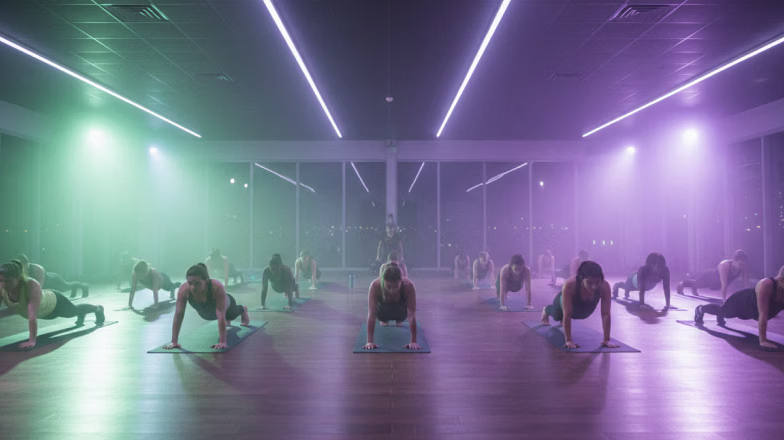
People commonly notice three shifts within the first weeks:
- Mental fatigue fades faster after sessions
- Physical tension releases more completely
- The urge to skip classes decreases rather than increases
The most noticeable difference appears outside the gym. Even after demanding sessions, the body feels organized instead of overloaded. That feeling quietly reshapes habit formation.
The New Technology Inside Modern Gyms
Modern wellness gyms are built on systems rather than aesthetics alone. What once depended on instructor perception is now guided by real time data and environmental automation.
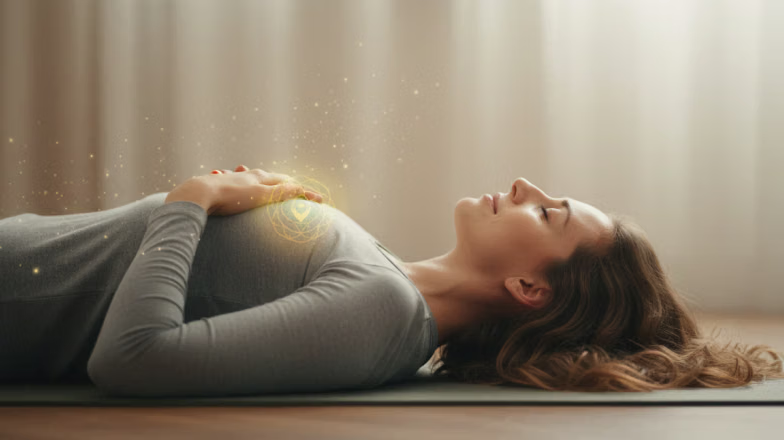
The lights change on their own to match the workout. The music grows stronger when the class speeds up and softens when it’s time to recover. Fresh air flows in automatically as the room fills with people. And wearable trackers read your body in real time, helping the workout stay challenging but safe.
Some studios now integrate vibration based recovery platforms and low frequency sound tools after strength sessions. These additions shorten neurological recovery time rather than only muscular recovery.
Technology no longer supports performance only. It actively protects the nervous system between effort cycles.
How Dubai Accelerated This Wellness Shift
Dubai created the conditions that made wellness zones inevitable. Long work hours compress personal time. Screen exposure rarely stops. Travel schedules fracture sleep. Training had to become more regulated to survive inside that pressure.
Climate pushed the shift further. With extreme summer heat limiting outdoor movement, indoor spaces had to offer more than machines. Comfort, recovery, and air quality became performance tools rather than background features.
Cultural diversity also played a role. Different training philosophies now intersect in one location. Strength, Pilates, yoga, functional movement, and guided recovery coexist under one roof. This fusion shaped a wellness model built around regulation rather than endurance alone.
The Psychological Impact of Training in a Controlled Space
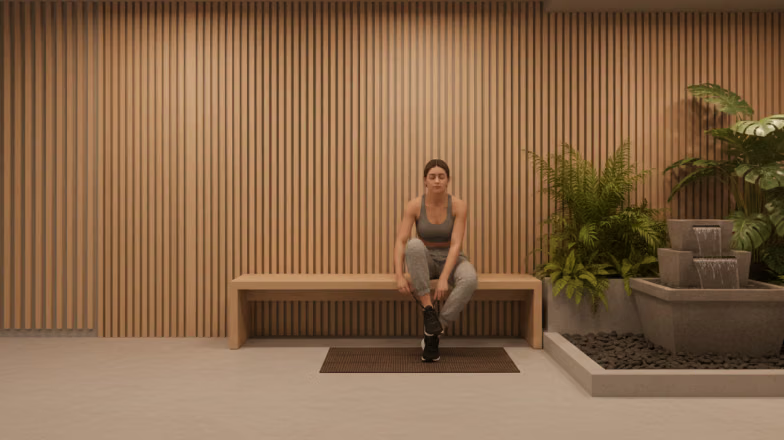
When your environment is balanced and predictable, your mind responds differently to effort. Training stops feeling like a fight. You breathe more easily after hard moments. Your muscles relax faster instead of staying tense.
Before the workout even begins, the space already creates a sense of safety. And that changes how people face challenges. Instead of bracing for stress, they move through it with calm control.
Over time, confidence grows naturally because the body and mind learn that progress doesn’t require constant pressure.
Who Benefits Most From Wellness Zones
Wellness zones support a wide range of people, but certain groups respond with the fastest gains. Those under heavy cognitive load tend to feel relief quickly. People returning after injury regain confidence sooner.
They are especially supportive for:
- Professionals under sustained time pressure
- Individuals with chronic muscle tension
- Beginners sensitive to noisy environments
- People restarting training after extended breaks
Progress emerges without the sense of exposure that often blocks consistency in traditional gyms.
How Multi-Sensory Design Helps You Stay Consistent
Your consistency doesn’t come from willpower alone. It comes from how your nervous system feels during training — safe or overloaded.
When you finish a workout feeling regulated instead of drained, it’s easier to come back. You get fewer injuries. You recover faster. You stop arguing with yourself before each session.
Small details make this happen: the way the lights shift, how the sound transitions, how comfortable the temperature feels. Over time, your brain stops seeing the gym as pure effort. It starts to associate it with relief, clarity, and steady progress.
Where Wellness Zones Are Heading Next
The next phase of wellness zones moves deeper into biological timing. Circadian lighting based on daily rhythms is already appearing. Scent guided relaxation zones are entering recovery design.
Wearable data will increasingly shape group class pacing. Nervous system markers such as sleep recovery and stress load will guide programming alongside strength metrics. The future of fitness spaces points toward balance rather than intensity alone.
Summary
Wellness zones show how modern gyms now support the full sensory system rather than the muscles alone. By shaping sound, light, temperature, air quality, and movement flow, these spaces improve recovery, focus, and long term consistency. Dubai’s pace and climate have accelerated this shift toward training environments that regulate energy instead of draining it. Those who want to experience this new approach to movement can explore wellness focused training and classes through BODIFY, where fitness spaces are designed around both physical output and nervous system balance.