


How to Train Safely When You Sit at a Desk All Day

Dubai workdays can feel like a marathon you run while sitting down. Between office hours, traffic, meetings, and long evenings, many women spend most of the day in a chair before they even think about training. That’s exactly why safe, structured workouts matter. If you train in guided group sessions like the ones in BODIFY’s women-only group fitness classes, you already have a big advantage: your body moves with purpose and direction instead of jumping into random intensity.
Desk life shapes how your body warms up, moves, and recovers. Once you understand that, training starts to feel smoother and more effective.
Why desk work changes the way your body moves
Sitting itself feels harmless. It’s the hours of staying in one position that create problems.
After a full day at a desk, your body usually ends up in a predictable shape:
- hips feel tight and stiff;
- glutes feel sleepy;
- shoulders drift forward;
- upper back becomes rounded;
- core stops doing its job properly.
Then you walk into the gym and ask your body to squat, run, jump, or lift overhead. That’s where training can feel awkward, heavy, or uncomfortable.
It usually comes down to posture. After hours at a desk, your body settles into “desk mode” and benefits from a proper reset before training.
The warm-up that desk workers actually need
If you sit all day, your warm-up deserves more respect than your playlist.
Instead of rushing into exercises, focus on waking up the areas that go quiet during desk hours.
Open your hips first
Hip flexors tighten from sitting, which can affect squats, lunges, and even running.
Helpful moves include:
- hip flexor stretch;
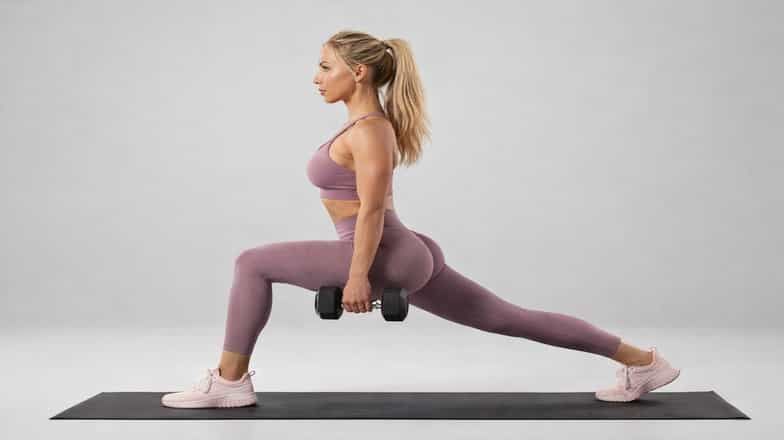
- low lunge hold;
- slow bodyweight squats.
Even 2-3 minutes of hip opening makes squats feel deeper, lunges feel smoother, and lower back tension eases almost immediately.
Activate glutes before leg training
When the glutes stay inactive, the lower back often takes over.
Good options:
- glute bridges;
- banded side steps;
- controlled lunges.
This quick activation helps your legs work the way they should, so your lower back stays protected during squats, deadlifts, and step-ups.
Fix the upper back and shoulders
Desk posture creates tension in the neck and chest.
Quick warm-up ideas:
- band pull-aparts;
- wall slides;
- thoracic rotations.
Ten minutes of smart prep can completely change how your workout feels.
Strength training helps desk posture
Some women assume strength training makes tight muscles worse. Usually, the opposite happens. Strength work improves posture because it builds support around your joints.
The strongest desk-friendly focus areas are:
- glutes (protects lower back);
- upper back (pulls shoulders into better alignment);
- core (supports spine and stability).
Compound exercises work especially well because they train the whole body at once:
- squats;
- deadlift variations;
- rows;
- presses;
- step-ups.
The goal stays simple: move with control, build strength gradually, and keep technique clean. This is where group fitness training becomes a smart option. When a coach cues form, breathing, and alignment, you get results without the “guessing game.”
Mobility training keeps workouts smooth and pain-free
If strength gives power, mobility gives freedom. If you sit daily, include at least one weekly session that focuses on:
- stretching;
- pilates;
- yoga flow;
- mobility-based strength.
These sessions help release tension, improve range of motion, and make workouts feel smoother instead of stiff.
Smart training habits for desk workers
You don’t need a complicated system. You need a few rules that keep training safe and consistent.
Here are habits that make the biggest difference:
- warm up longer than usual;
- increase weights gradually;
- include glute activation before leg days;
- train upper back weekly;
- use controlled tempo instead of rushing reps;
- add recovery sessions into your schedule.
Also, pay attention to your body’s feedback. If something feels sharp or wrong, it usually points to stiffness, posture habits, or poor alignment.
Tools and trends that help desk workers train better
The gym tools that genuinely support desk workers include:
Resistance bands
Perfect for glute activation and shoulder prep.
Foam rolling
Great before training if the hips and upper back feel stiff. Check for MFR programs on YouTube (there are plenty of them, of different lengths and for different goals) or ask your personal trainer.
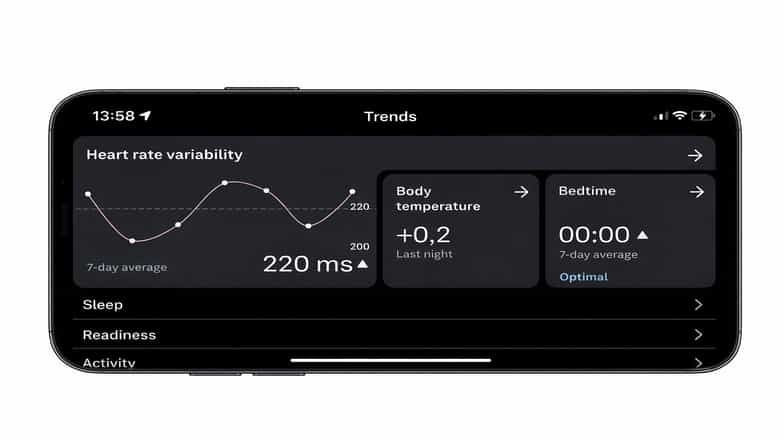
RPE training
Rate of Perceived Exertion apps and diaries help you choose effort based on how your body feels today.
Some days feel strong. Some days feel heavier. In 2026, we train according to our state, and not fighting with it, not calling it laziness.
Why group classes work well for desk-job bodies
Desk work slowly tightens everything. Your chest collapses forward, your hips get stiff, your neck and shoulders carry tension, and your nervous system is always alerted. In this case, structured group training gives you:
- A proper warm-up that actually prepares your body;
- Balanced movement instead of overloading the same tight areas;
- Guided intensity, so you don’t push too hard too soon;
- Coaching that keeps your technique safe;
- A session that feels organised and complete.
For busy professionals in Dubai, consistency almost always wins over intensity. Two to four structured sessions per week tend to improve posture, strength, and energy far more effectively than going all-out once in a while and spending the rest of the week recovering.
Stronger posture, safer workouts, better energy
If you sit all day, your body needs preparation before performance. A focused warm-up, smart strength work, and weekly mobility training create a routine that feels safe and sustainable.
If you want a guided way to build strength and improve posture without overthinking your plan, explore the women-only group classes at BODIFY. It’s one of the easiest ways to train consistently while supporting the body you bring in from your daily routine.