



How to Use RPE (Rate of Perceived Exertion) Instead of Only Tracking Weights
In big business cities like Dubai, training rarely happens in perfect conditions. Some weeks feel structured and productive. Others include late meetings, social plans, travel, or shifting sleep. In moments like that, tracking weights alone can feel frustrating. If you train in structured formats like Bodify group fitness classes, understanding RPE can change how you approach intensity and progress.
What RPE really means
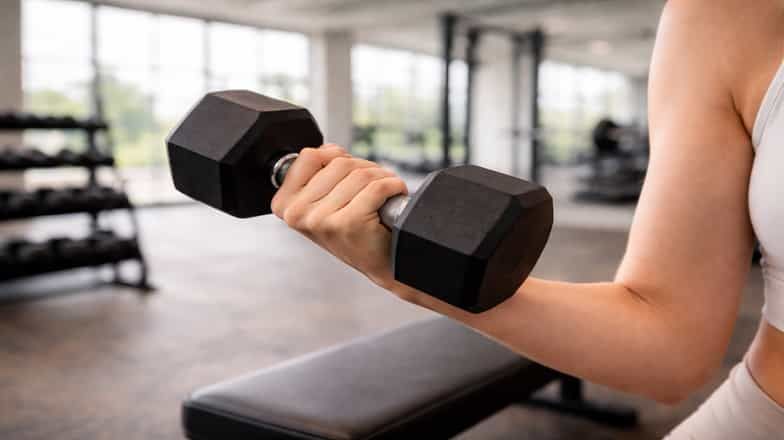
RPE stands for Rate of Perceived Exertion. In plain language, it answers one question: how hard did that set feel?
Instead of focusing only on the number of kilos on the bar, RPE focuses on effort. That difference matters more than most people expect.
The scale usually runs from 1 to 10:
| RPE 1-3 | very light effort |
| RPE 4-6 | moderate effort, controlled breathing |
| RPE 7 | challenging but steady |
| RPE 8 | very challenging, about 2 reps left |
| RPE 9 | close to limit, about 1 rep left |
| RPE 10 | maximum effort |
The idea feels simple, and that’s why it works. You train based on how your body feels today, not based on what it lifted last Tuesday.
Why weight alone tells an incomplete story
Let’s be honest. Many people love numbers. They feel clean and objective.
Still, your body changes daily. Sleep, stress, hydration, travel, hormonal shifts, all of it influences performance. In hot Dubai, that fluctuation becomes even more noticeable.
You can lift 20 kg one week and feel strong. The next week, the same 20 kg feels heavier. That experience creates doubt for many women.
RPE gives context to those shifts.
Instead of asking, “Why does this feel harder?” you ask, “What effort level fits today?”.
That small mental shift reduces pressure. Training becomes more responsive and less rigid.
How to use RPE in a real workout
This part feels easier than it sounds.
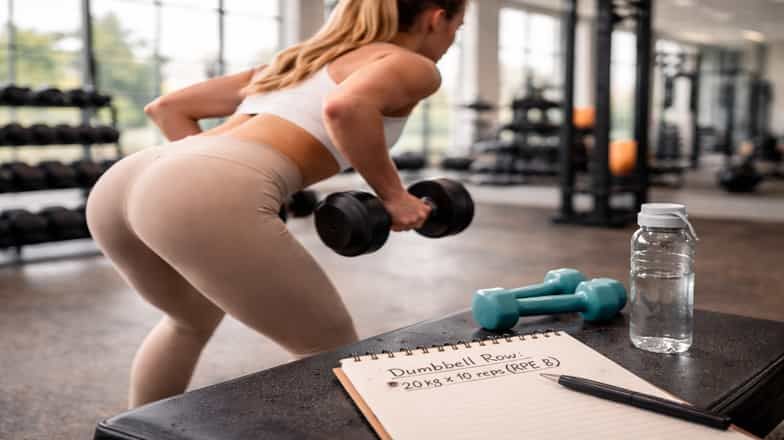
Step 1: Choose your effort target
Most strength and body-toning sessions sit between RPE 7 and 9. That range builds strength and shape without draining your system.
Step 2: Match the weight to the effort
Let’s say the goal is RPE 8.
You finish a set and feel like two more reps were possible. That’s RPE 8. Perfect.
If you feel like five more reps were available, increase the weight slightly.
If your form feels unstable early in the set, lower the load slightly.
The goal stays the same: controlled challenge.
Step 3: Log effort next to weight
Instead of writing only “12 kg x 10,” try: 12 kg x 10 (RPE 8)
Over time, patterns appear. Some weeks your RPE 8 uses heavier weights. Other weeks it uses lighter ones. The overall trend still moves upward.
Progress rarely looks perfectly linear in real life. RPE accepts that.
Why RPE works especially well for women
Energy levels shift across the month. Some days feel powerful. Other days feel steady and quieter.
RPE respects that rhythm.
It gives structure without forcing the same numbers every session. That flexibility helps with:
- menstrual cycle changes;
- postpartum recovery;
- perimenopause;
- busy travel weeks;
- high-stress periods.
Many women feel relief when they start using RPE. The pressure softens. Effort stays high, comparison drops.
RPE and modern tracking tools
RPE focuses on body awareness. Technology can support that awareness.
Fitness apps and training logs
A simple note in your app works well: “Squats felt heavier today, RPE 9.” Over a few weeks, those notes reveal patterns connected to sleep or stress. Especially if your device or app has implemented AI.
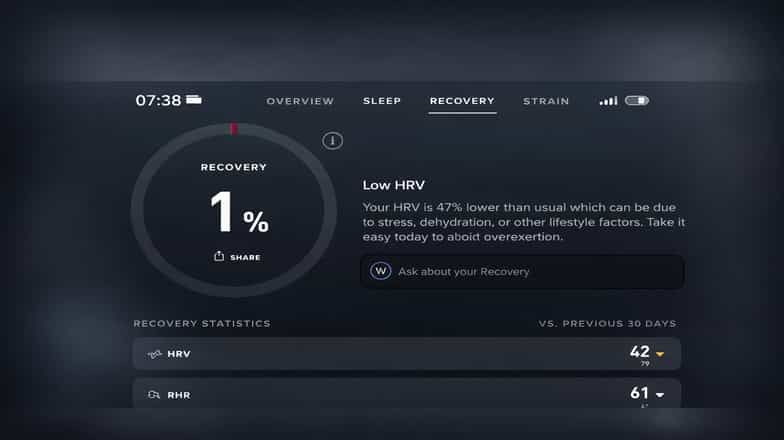
Wearables and recovery scores
Smartwatches and recovery trackers show sleep quality and readiness trends. When recovery reads lower and RPE feels higher, the connection becomes clear.
Coaching in group classes
In structured classes, coaches often cue effort naturally: “Choose a weight that feels challenging but controlled.”
That instruction already follows RPE logic. You train at your level. You adjust in real time. The session stays effective without turning into a competition.
Final thoughts
RPE gives you a way to measure effort honestly. It keeps training structured while allowing room for real life. Instead of chasing numbers every session, you build awareness and steady progress.
If you want support applying this in practice, explore the training formats and group classes at Bodify. A structured environment with smart coaching makes RPE feel natural — and your workouts start to feel more intentional, session after session.