



How to Read Heart Rate Zones and Use Them to Guide Your Cardio Training

If you’ve ever finished a cardio class, glanced at your watch, and seen “Zone 4” flashing on the screen, you probably wondered what that actually means. Is it good? Too intense? Exactly what you wanted?
At Bodify, we see this kind of scene all the time! Women train hard, feel accomplished, then scroll through heart rate graphs without really knowing how to use that data. But in Dubai, where heat, hydration, and long days affect how your body responds to exercise, understanding heart rate zones makes cardio far more effective. It turns guesswork into strategy.
What heart rate zones really are
Heart rate zones are simply intensity levels. They show how hard your heart is working compared to your estimated maximum heart rate.
The common formula is: 220 minus your age.
It’s not perfect, but it gives a starting point. From there, your effort is divided into five zones:
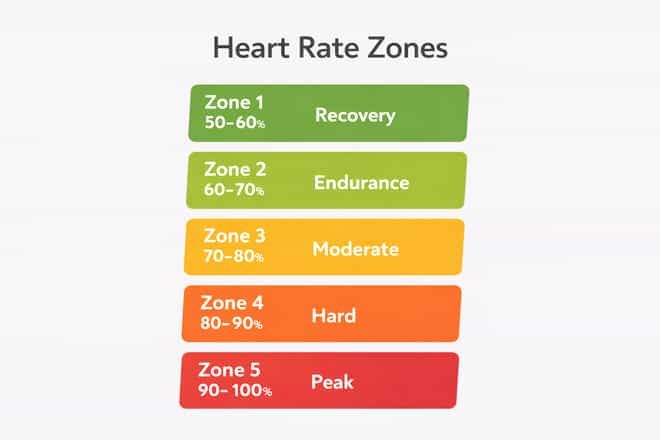
- Zone 1 (50–60%) – very light;
- Zone 2 (60–70%) – light and steady;
- Zone 3 (70–80%) – moderate;
- Zone 4 (80–90%) – hard;
- Zone 5 (90–100%) – near maximum.
That’s the structure. The real question is how to use it.
Numbers help, but your body tells the real story.
Zone 1 feels truly easy. You can chat normally without thinking about your breathing. It’s great for circulation, recovery, and the days when you want to move but not drain yourself.
Zone 2 feels smooth and controlled. You’re breathing deeper, but you can still speak in full sentences. This is where aerobic endurance is built, and it’s often underrated because it doesn’t feel “hard enough.” It is.
Zone 3 starts to bite. You can still talk, but you’ll keep it short. This zone builds stamina and a stronger heart.
Zone 4 feels intense. You’re locked in, and talking is basically off the table. This is the kind of effort you hit inBootcamp or Calorie Burn classes.
Zone 5 is all-out, but only for short bursts: sprints, explosive intervals, that kind of work. It’s powerful, but it’s not meant to last long.
One thing we see a lot: people assume the higher the zone, the better the results. That usually ends in fatigue and stalled progress. The best results come from mixing zones across the week. But how to do that?
How to use zones to guide your week
Instead of chasing the highest number on your watch, decide what your goal is that day.
If you want endurance and sustainable fat metabolism, Zone 2 sessions matter. They may feel slower, but they build your base.
If you want power and performance, short bursts in Zones 4 and 5 make sense. Just not every day.
A balanced week could include:
- 1–2 moderate-to-high intensity sessions (Zones 3–4);
- 1 interval session with short Zone 5 bursts;
- 1–2 lower-intensity sessions (Zones 1–2);
- 1 mobility or recovery session.
At Bodify, classes naturally move across zones. Kangoo Jumps might spike into higher ranges. Dance cardio often falls between moderate and high effort. Pilates keeps your heart rate lower while strengthening deeply.
Use technology without obsessing over it
Most watches now show your zone in real time. Apple Watch, Garmin, Polar, Whoop — they all provide slightly different numbers, but the principle stays the same.
A practical tip: glance at your watch during class, not just afterwards. If you’re meant to be in a moderate range but sitting in Zone 5, adjust your pace. If the workout calls for intensity and you’re staying too comfortable, push slightly.
That said, numbers can become distracting. We’ve seen people stare at their wrist more than they focus on form. Data should guide you, not control you.
If you want greater accuracy, chest straps measure heart rate more precisely than wrist devices, especially during high-intensity intervals.
Cardio training in Dubai: what changes in this city
Training in Dubai comes with one big variable: heat. Even indoors, your heart rate may climb faster in summer months. Outdoor cardio raises it even more. Add dehydration, and you can enter higher zones quickly.
A pace that keeps you in Zone 3 during winter might push you into Zone 4 in August. That doesn’t mean you’re out of shape. It means your body is working harder to regulate temperature.
Simple adjustments help:
- Hydrate before class;
- Add electrolytes if you sweat heavily;
- Accept slightly higher readings on humid days;
- Scale intensity when needed.
Your heart rate is responding to the environment as much as effort!
The most common mistakes
Some women train hard every session, staying in Zones 4-5 because it feels productive. Over time, fatigue builds and progress stalls.
Others stay in comfortable ranges all week and never challenge their cardiovascular system.
Cardio works best when intensity varies! Hard days feel strong. Easy days feel controlled. Both matter!
Another trap is chasing calorie numbers. A shorter, structured interval session often produces better adaptation than a long workout done without intention.
Training with awareness
Heart rate zones are simple once you understand them. They show when to push and when to maintain. They prevent burnout. They make progress measurable without turning every workout into a competition.
You don’t need maximum intensity to improve your fitness. You need the right intensity at the right time.
If you’re curious how your heart rate responds to different formats, try tracking a few Bodify classes this week. Notice how a dance session differs from Kangoo. See how Pilates affects your recovery the next day.
Cardio becomes more intelligent when you understand what your heart is telling you.
Explore the class schedule at Bodify and choose the format that matches your energy today.