


Benefits of Balanced Training Across Muscle Groups
Balanced training means you work all major muscle groups, so your body shares the effort instead of overloading one area. For women living in or visiting Dubai, that matters because long workdays, lots of walking, travel, and heat can make you feel tired or tight if your training is uneven. In this guide, you’ll see what balanced training looks like, what changes you can notice in everyday life, and how to plan a simple week. Most sessions take 45–60 minutes, and many women feel stronger within a few weeks. Want a routine that fits your schedule? Book a training check-in at BODIFY and get a clear plan.
What balanced training means in practice
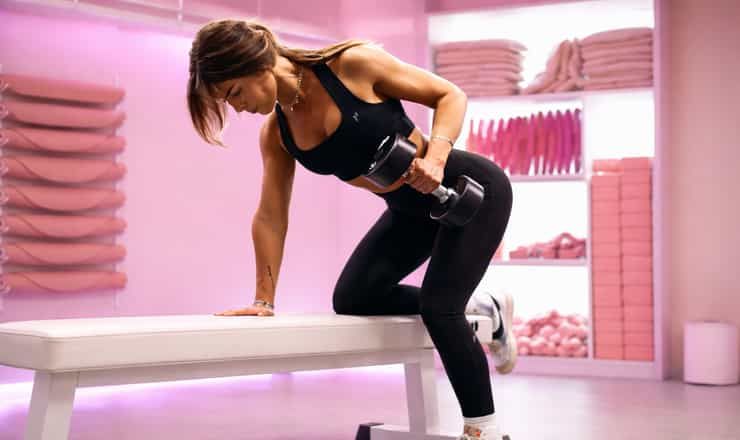
Balanced training means you cover the major movement patterns across the week, instead of repeating the same “favourite” areas. For most women, that comes down to training legs and glutes, adding both pushing and pulling for the upper body, and keeping core work in the plan.
A simple full-body session can look like this:
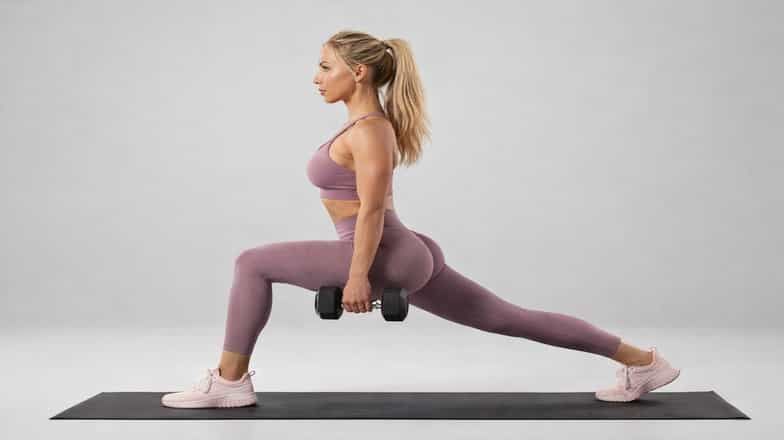
- Legs/glutes (squat pattern): goblet squat or step-ups.
- Posterior chain (hinge pattern): Romanian deadlift.
- Upper body push: dumbbell chest press or incline press.
- Upper body pull: cable row or assisted pulldown.
- Core + carry: plank and a short farmer carry (20–30 m).
This structure stays realistic when your calendar changes. It supports strength without turning workouts into long projects that are hard to repeat.
Benefits you’ll notice first in Dubai life
Balanced training makes day-to-day movement feel smoother because your body shares effort across more muscles. That shows up fast in posture, comfort, and the way you carry yourself.
Posture and everyday comfort
When your upper back, glutes, and core stay consistent, your shoulders feel more relaxed and your spine feels supported while you walk, sit at a desk, carry shopping bags, or wear heels. In Dubai, where many days include commuting, walking, and long work blocks, this “support effect” matters.
A practical way to build this is to include at least one pull exercise (row or pulldown) in every session. That single choice often improves the way your upper body sits and moves.
A more even, toned look
“Toned” usually means your muscles look a little clearer and your shape looks more even. Balanced training supports this because you build strength across your whole frame, instead of overloading one zone and leaving the rest behind.
Balance also helps proportions. Training glutes and legs while also training back and shoulders tends to create a cleaner outline through the waist and upper body. Your core gets trained through squats, hinges, carries, and presses, so it develops as part of your whole-body work.
Energy, stamina, and calmer confidence
When more muscle groups share the workload, normal tasks take less effort. You walk longer before fatigue builds, you carry bags with more comfort, and recovery feels easier after packed days.
Strength work also builds a steady kind of confidence. It shows up when you feel capable and composed, even when your week gets full.
Modern methods that make balance easier
Balanced training gets simpler when you use modern tools to track progress and adjust your plan without overthinking. You do not need complicated tech, but a few systems help.
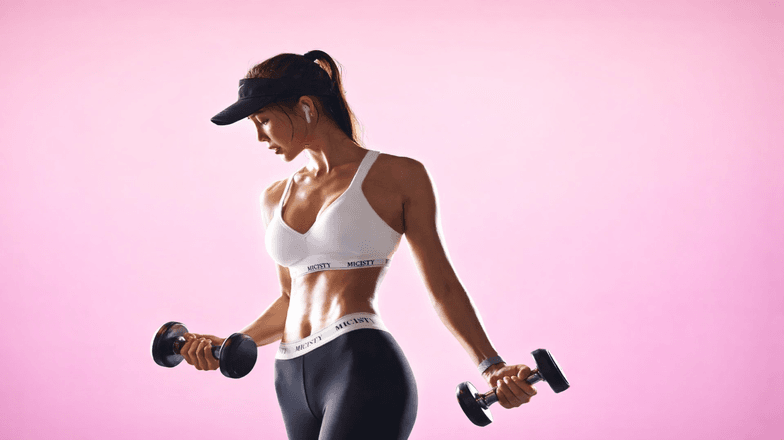
Here are approaches many women use in Dubai gyms and studios today:
- Progress tracking: log sets, reps, and load in a notes app so you can repeat success and build gradually
- RPE (effort scale): aim for “challenging but controlled” most days, keeping 1–3 reps in reserve.
- Tempo control: slow down the lowering phase on key lifts to improve form and muscle control.
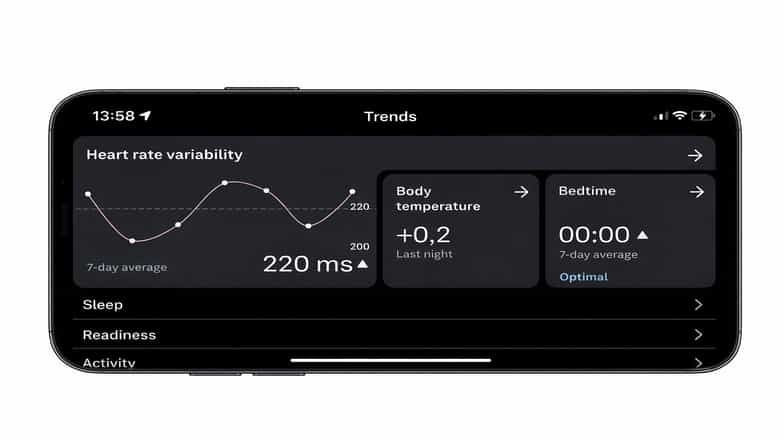
- Wearables (optional): use step count and sleep tracking as simple recovery markers, especially during stressful weeks.
- Exercise swaps by pattern: keep the movement pattern, change the tool (dumbbells to cables, step-ups to split squats, etc.).
This style keeps training modern and flexible. You stay consistent even when equipment, time, or energy changes.
Dubai lifestyle notes that shape training
Dubai has its own rhythm. Heat, travel, social plans, and work schedules all influence training choices. Balanced training fits well because it stays effective with fewer sessions, and it works indoors year-round.
A few practical points that often help women here:
- Shorter sessions work: 45–60 minutes is enough when the plan covers the full body.
- Indoor focus: warm weather makes air-conditioned training spaces a realistic default.
- Travel-friendly structure: full-body sessions keep progress steady when hotel gyms vary.
- Seasonal schedule shifts: during periods like Ramadan, many women prefer lighter loads, earlier sessions, or fewer weekly days while keeping the same movement patterns.
The goal stays the same: keep your week balanced, then adjust intensity and timing to match your life.
A simple weekly balance blueprint
Choose a structure you can repeat for at least four weeks. You can always refine later, but consistency creates the best signal for progress.
| Weekly option | Days per week | What it looks like | Works well for |
| Full-body | 3 | Each session covers legs, push, pull, core | Busy schedules, travel weeks |
| Upper/Lower | 4 | Two upper-body days, two lower-body days | Steady routines, clear progression |
| Balanced split | 5 | Focus areas per day while covering all patterns weekly | Training as a regular hobby |
For most exercises, use a load you can lift for 8–12 reps with steady control. Keep 4–6 exercises per session. If time feels tight, keep the same plan and reduce volume instead of skipping muscle groups.