


What Is Active Recovery and When Is It Better Than Total Rest?

After a strong cardio session or a demanding strength class, there’s always that moment the next morning. You wake up. Your legs feel heavy. You feel restless. So what’s better in this case, complete rest or light movement?
In Dubai, where training intensity stays high and the heat adds an extra layer of fatigue, recovery becomes part of the training plan! At BODIFY, we often guide women toward active recovery on certain days, especially when the goal is steady progress and a body that feels energised week after week.
The real question is simple: what kind of recovery does my body need today?
What active recovery actually means

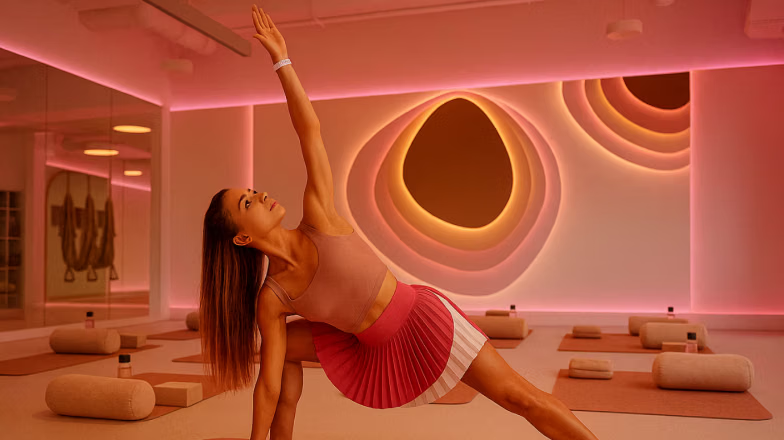
Active recovery is low-intensity movement done after a hard session or during a lighter day in your training week. It’s gentle. Think:
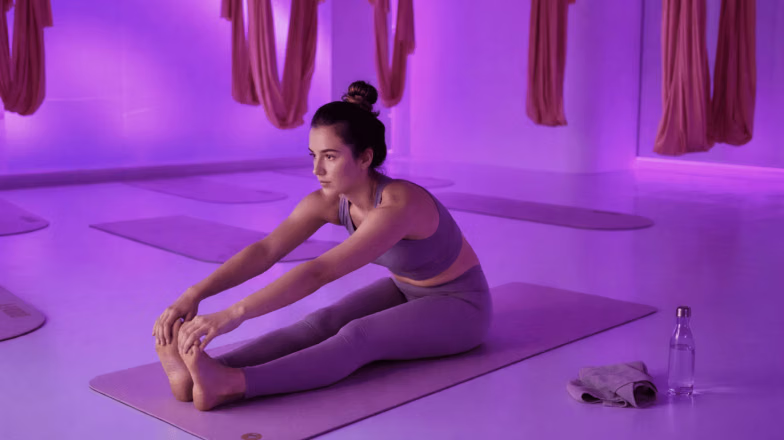
- Light stretching;
- Pilates with focus on control, not intensity;
- Yoga or Aero Yoga;
- Mobility work;
- A relaxed walk.
The goal is circulation and mobility, with a calm, controlled pace that supports recovery rather than intensity.
Why light movement can feel better than full rest
After intense training, your muscles experience small amounts of stress. That’s how adaptation happens. Recovery allows repair.
Gentle movement increases blood flow. That circulation delivers oxygen and nutrients to the muscles and helps clear byproducts from hard effort.
There’s also something mental about it. Total rest can feel heavy. Active recovery keeps you connected to your body without adding pressure.
And in women especially, nervous system balance matters. High-intensity sessions activate your stress response. Slower sessions help shift you back into calm mode. That shift affects sleep, hormones, and overall energy.
Sometimes the difference between feeling drained and feeling refreshed is 30 minutes of controlled movement.
When active recovery makes more sense than total rest
Total rest absolutely has its place. If you’re ill, injured, severely sleep-deprived, or deeply fatigued, your body needs full downtime.
Active recovery works well in these situations:
After high-intensity cardio
Bootcamp, Calorie Burn, dance cardio, Kangoo Jumps, these spike your heart rate. The following day, Pilates or stretching helps reset without adding more stress.
During a packed training week
If you train three, four, or even five times weekly, lighter days prevent cumulative fatigue.
When soreness is mild
That tight, slightly stiff feeling often improves with gentle movement.
When you prefer a daily routine
Some women feel better maintaining structure every day. Active recovery keeps the rhythm without pushing intensity.
What active recovery looks like at BODIFY
In a studio setting, recovery is structured, not random.
- Pilates strengthens deeply while keeping the heart rate moderate.
- Stretching classes release tension and improve mobility.
- Yoga or Aero Yoga slows breathing and supports nervous system regulation.
- Healthy Back sessions strengthen posture and spinal stability, especially helpful if you sit for long hours.
You move. You breathe. You leave feeling more open. That’s the sign you did it right!
Recovery in Dubai: climate changes the equation
Training in Dubai adds one more factor: heat. Even indoor sessions feel heavier during the summer months. Hydration affects everything. Recovery sometimes takes longer than expected, especially after high-sweat cardio. Because of that, lighter movement days become even more valuable here.
A few small adjustments help:
- Increase water intake on training days;
- Add electrolytes if sweat loss is high;
- Schedule lighter sessions during intense summer weeks;
- Prioritise sleep when training volume increases.
The environment influences your heart rate, energy, and fatigue. Recovery planning should reflect that reality.
Technology and recovery awareness
Wearables have made recovery easier to track.
Resting heart rate. HRV. Sleep quality.
Apple Watch, Garmin, Oura, Whoop, they all provide signals. If resting heart rate climbs above your normal baseline or HRV drops noticeably, that can suggest your body would benefit from lighter activity instead of another demanding session.
Remember: technology helps, but it doesn’t replace awareness. If you wake up feeling steady and mildly sore, active recovery often works well. If you wake up feeling deeply drained, full rest may be the smarter move.
The common mistake: thinking rest means doing nothing

There’s a belief that harder equals better. That mindset leads many women to skip recovery altogether. Progress doesn’t come from constant intensity. It comes from the balance between effort and repair.
Active recovery supports that balance. It keeps momentum without pushing the system too far. And here’s something worth remembering: recovery days are not “lazy” days. They’re training days with a different purpose.
Finding your balance
Active recovery is a gentle movement that supports circulation, nervous system balance, and muscle repair. In many cases, it works better than complete rest after intense training.
In a fast-paced city like Dubai, with demanding schedules and warm weather, recovery truly deserves your attention! Alternating high-energy classes with mobility, Pilates, stretching, or yoga helps maintain energy and avoid burnout.
If you want a routine that feels strong and sustainable, explore the variety of classes at BODIFY. Some days you train hard. Other days you restore. Both count!