


What Is NEAT (Non-Exercise Activity Thermogenesis) and How It Affects Calorie Burn

If you’re training regularly but your results feel worse than expected, the missing piece is often what happens between workouts. NEAT (Non-Exercise Activity Thermogenesis) is the calories you burn through everyday movement (walking, standing, tidying, pacing on calls), and in cities like Dubai, where heat, cars, lifts, and desk-heavy routines can quietly reduce daily movement, it matters more than most people realise. If you want a structured plan that fits real life, start with the class options at BODIFY and build your day around movement that adds up.
Why can two people doing the same workouts see different progress
NEAT covers the energy your body uses for all physical activity that isn’t “formal exercise”. It includes things like:
- walking to the metro or through the mall;
- standing while you get ready;
- taking stairs, doing errands, carrying shopping;
- fidgeting, stretching, changing posture;
- housework etc.
For many people, NEAT varies massively from day to day. A busy day with lots of steps, standing, and short walks can burn far more than a single gym session! While a sedentary day can cancel out the effort of training. That’s why two people doing the same workouts can see different progress: their, let’s say, background movement isn’t the same.
When life becomes very serviced (drivers, delivery, help at home), daily movement can fall without you noticing. You don’t need to overhaul your lifestyle, just re-add small “movement jobs” on purpose.
How to increase NEAT without turning life into cardio
Think “more movement moments”, not “more workouts”! Start with 3-5 changes you can repeat daily:

- Add 5-10 minute walks: after lunch, after meetings, after dinner (mall walking counts).
- Stand for specific tasks: emails, voice notes, short calls, and getting ready.
- Use the “two-minute rule”: every hour, stand up and move for two minutes.
- Make errands active: park slightly further, carry your own bags, do one extra loop.
- Choose stairs for 1-2 floors.
It’s better to create a step baseline (e.g. I am going to do 5,000 steps daily), picking a realistic daily target and increasing it by 10–15% weekly.
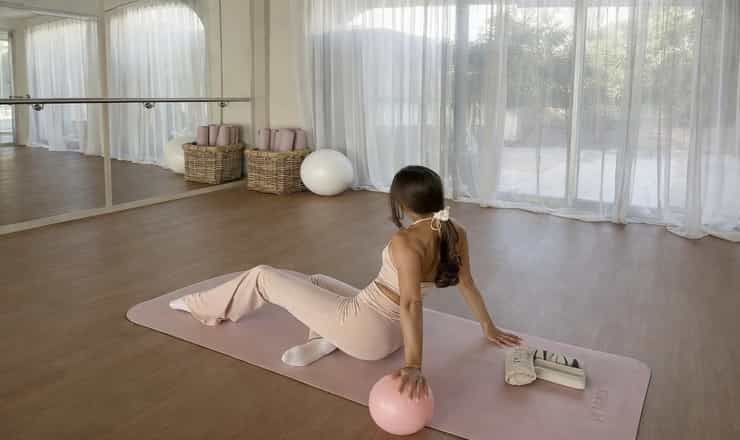
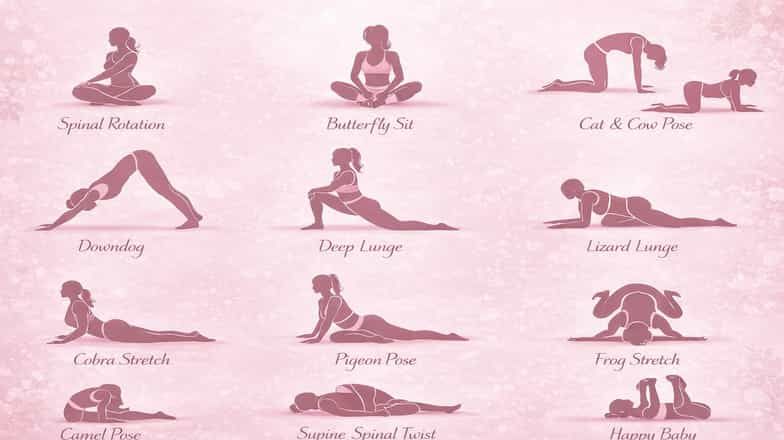
Need an example of a big city girl routine? Start your morning with five to eight minutes of gentle indoor movement. A short walk through your building corridor or lobby is enough to wake up circulation. Follow it with a minute or two of simple mobility: ankle circles, light hip rotations, and shoulder rolls.
It takes less time than scrolling through your phone, yet it sets the tone for a more active day.
Around midday, build in a deliberate movement break of ten to twelve minutes. In Dubai, that usually means choosing an air-conditioned space: a mall loop, an office corridor, or a shaded indoor walkway.
In the evening, add another ten to fifteen minutes of easy walking. During cooler months, this can be outdoors; in hotter periods, keep it indoors. If your step count is low that day, extend the walk by a few extra minutes rather than skipping it altogether!
When done consistently, this routine adds roughly twenty-five to thirty-five minutes of additional movement daily.
Modern tools and techniques that make NEAT easier to track
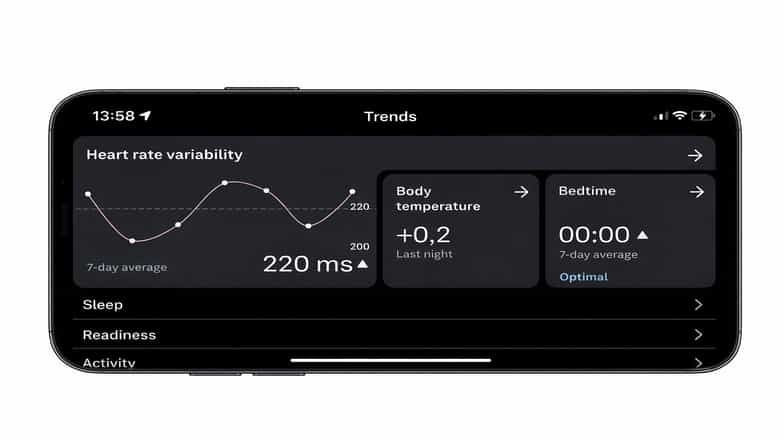
You don’t need obsessive tracking, but the right tools remove guesswork. Wearables and rings best count steps. Some of them can even send “too many inactive minutes” alerts.
Phone-based step tracking is simple, but it often lies. Also, it isn’t with us for every moment.
Useful are smart reminders, such as calendar pings for movement breaks that we should do every 60–90 minutes.
For indoor movement, there are compact walking pads or mini-steppers for short bursts. If you are concerned more about your posture and mobility rather than cardio, there are plenty of apps with gentle prompts to change position and reduce stiffness.
If you’re already training, coaches can also help you make NEAT match your goal. For fat loss, the aim is consistency: fewer zero-movement days. For body recomposition, the aim is recovery-friendly movement that doesn’t drain you.
Conclusion
NEAT is the quiet engine behind daily calorie burn: the walking, standing, and small movements that happen outside the gym. It’s not obvious, but increasing NEAT is one of the most practical ways to support fat loss and energy without adding more intense sessions. If you want to combine structured training with a lifestyle plan that actually fits your routine, explore the training and group classes at BODIFY and build a week where workouts and daily movement work together.