


What Really Happens to Your Body When You Use a Sauna After Training
Training does not end when your workout finishes. What you do in the minutes after matters just as much for recovery, sleep, and how your body feels the next day. In Dubai, many people stay a little longer to use the sauna, and not just to unwind. For coaches and those who specialise in recovery, sauna is now a vital tool.
In this guide, Nastya Bonds, co-founder of Bodify, explains why post-workout sauna sessions have become a regular part of recovery routines at studios like Bodify. When used correctly, saunas help muscles release tension and calm the nervous system. They can support smoother recovery. You will also learn when sauna use genuinely helps and how to use it safely without slowing your progress.
How heat helps your body to recover after training
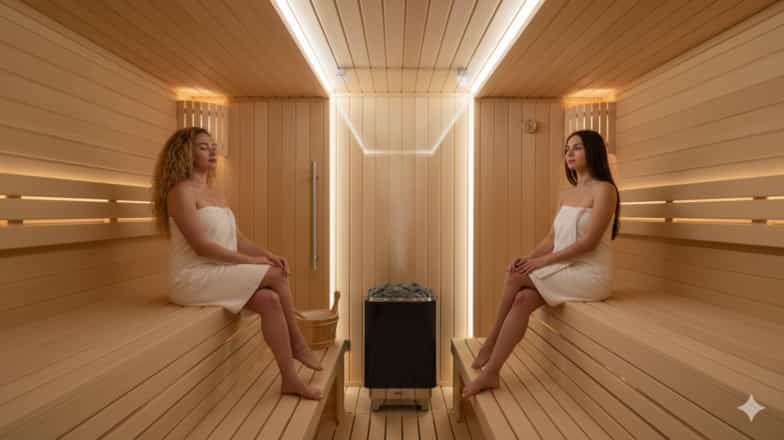
After a workout, your muscles are tight and your nervous system is still switched on. The sauna intro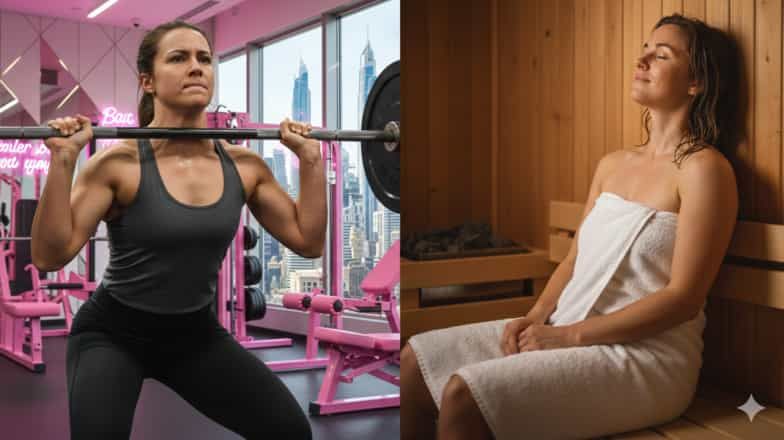 duces heat that encourages blood vessels to widen. Circulation improves, which helps move oxygen and nutrients through tired muscle tissue.
This shift helps your body relax out of effort mode. You stop clenching without realizing it. Your breathing slows naturally, especially if you sit quietly instead of scrolling your phone.
For many people, that short pause reduces the heavy, stiff feeling that usually shows up later in the day.
How can you reduce muscle tightness after training?
Heat relaxes muscle fibers in a way stretching alone does not always achieve. When you sit in a sauna after training, muscles release tension gradually rather than being forced to lengthen.
This matters if you lift weights, do functional training, or spend long hours sitting afterward. Tight hips, calves, and lower back often feel less reactive after heat exposure.
You may notice:
- Less stiffness when you stand up later
- Easier movement the next morning
- Fewer sharp pulls during daily tasks
That does not replace mobility work, but it supports it.
The nervous system reset you did not know you needed
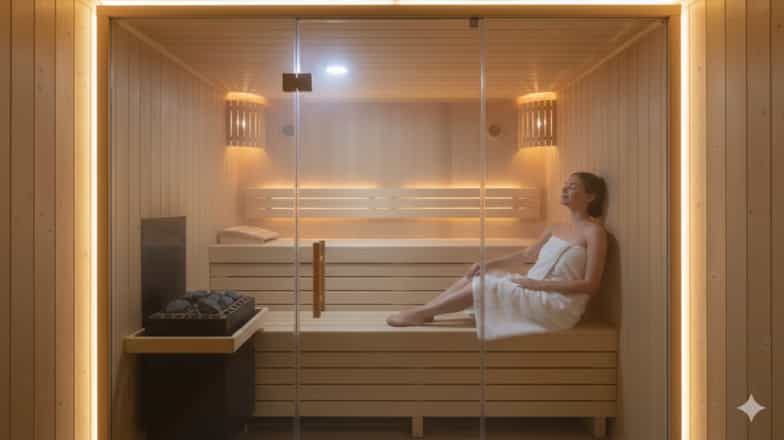
Training activates your sympathetic nervous system, the alert, high-output state that helps you perform during exercise. If you stay in that state for hours afterward, recovery slows and muscle tension lingers. Sauna use helps shift the body toward parasympathetic activity, where relaxation and repair take over.
During that shift, heart rate gradually lowers and breathing becomes steadier. Muscles stop holding unnecessary tension, especially in the neck, shoulders, and lower back.
In Dubai, where long workdays, traffic, and constant stimulation keep the nervous system switched on, that transition matters. Leaving the gym in a calmer state helps recovery continue instead of stalling once you step back into daily life.
Does sweating in a sauna help you detox?
A lot of people think sweating in a sauna helps flush toxins out of the body. That idea sounds logical, but it is not how the body actually works. Toxins are processed by the liver and kidneys, then removed through urine and digestion. Sweat is mostly water and minerals. Its main job is to cool you down, not to clean you out.
That does not mean sweating is useless. It raises body temperature, increases circulation, and makes you more aware of fluid loss. After a sauna, most people naturally reach for water instead of ignoring thirst, which supports recovery rather than hindering it.
To use the sauna without draining yourself, a few habits make a real difference:
- Drink water before you go in so you are not starting dehydrated
- Keep sessions short at first, especially if you are new to heat
- Rehydrate slowly afterward instead of chugging large amounts
You do not need extreme heat or long sessions to get benefits. Ten to fifteen minutes is enough for most people to support relaxation and circulation without turning recovery into another stressor.
Modern sauna options you see in Dubai gyms

Most gyms in Dubai offer both traditional and infrared saunas. The difference matters mainly in how your body handles heat. Traditional dry saunas use high temperature and low humidity, so you heat up fast and feel a strong release in tight muscles. This suits you if you enjoy intense heat and want quick relaxation.
Infrared saunas work at lower temperatures and warm the body more gradually. The heat feels calmer and more controlled, which often works better if you feel overwhelmed by high heat or get lightheaded easily. If you want a stronger effect, choose a dry sauna. If you want gentler recovery, infrared usually feels better.
You can enhance either option with a short cool or cold shower afterward. Thirty to sixty seconds is enough to bring body temperature down and stimulate circulation. If you feel comfortable, alternating warm and cool water for one to two minutes helps muscles settle instead of staying overheated.
You do not need extremes. One sauna session followed by a brief cool rinse is enough. The goal is to leave the gym feeling calm and steady, not drained by heat.
Why sauna use works well with functional training
Functional training works your body as a connected system. You use multiple joints and muscle groups together, which improves real-life movement but also places higher demand on coordination and the nervous system.
That is why fatigue after functional training often feels deeper than simple muscle soreness. Even if individual muscles do not ache, the body still needs time to settle after managing balance, stability, and force at once.
Sauna use helps that process. Heat signals the end of effort and supports a shift out of high-alert mode. Tension releases across the body instead of lingering in specific areas.
This also affects sleep. Training alone improves rest, but adding sauna time can enhance it further by lowering cortisol levels. When stress hormones drop, recovery improves and progress becomes easier to maintain. Over time, this supports steadier energy, better sleep, and more consistent fitness results.
How often you should use the sauna
You do not need to use the sauna after every workout to see benefits. Frequency matters more than intensity, and more is not always better. How often you go should match how your body reacts, how hard you train, and how much recovery you actually need.
Here is a simple way to think about sauna frequency and what it usually leads to:
| Sauna frequency | What usually happens | Who this works best for |
| Daily | Can feel relaxing at first, but may become draining if training hard; higher dehydration risk | People with very light training loads, high stress levels, and excellent hydration habits |
| 3 times per week | Supports muscle relaxation, nervous system recovery, and sleep without overload | Regularly training people, recreational athletes, and those with busy schedules |
| 2 times per week | Noticeable recovery support without stressing the system | Most people who train consistently |
| 1 time per week | Mild relaxation effect, mostly mental reset | Beginners or people with light training routines |
| Less than once a month | Feels pleasant but has no lasting recovery impact | Occasional gym users or infrequent sauna visitors |
For most people, two to three sauna sessions per week work best. That frequency supports recovery without turning heat exposure into another stressor your body has to manage.
Pay attention to simple signals. If you feel lightheaded, overly tired, or thirsty for hours afterward, shorten sessions or reduce frequency. If you leave the gym calmer, sleep better, and move more easily the next day, you are on the right track.
When the sauna may not be ideal
If you are sick, dehydrated, or recovering from acute injury, skip the sauna. Heat adds stress in those cases.
Pregnant individuals or people with cardiovascular conditions should check with a medical professional before regular sauna use.
Used sensibly, sauna sessions support recovery rather than draining you.
The long-term payoff
Regular sauna use after training helps you recover more smoothly. You feel less beaten up. You move better the next day. You stay consistent instead of skipping sessions due to soreness or fatigue.
That consistency is where progress comes from. Not from pushing harder every time, but from training, recovering, and repeating without burning out.
If you want to explore training environments where recovery is treated as part of the session, Bodify integrates sauna access with structured workouts and classes. It is a simple addition that helps your body keep up with the demands of everyday life in Dubai.