


Signs You Are Overtraining Without Realizing It

Training hard is part of the culture in Dubai. Early morning gym sessions, evening classes after work, endurance events on weekends. Fitness fits naturally into a fast, high-performance lifestyle.
But pushing your limits too often can backfire. Many people miss the early signs of overtraining because they look like “normal” fatigue. At BODIFY, coaches see this pattern often: motivated clients doing everything right, except recovery.
This article explains how overtraining shows up, why it’s easy to miss, and how a smarter approach can help you progress without burning out.
What overtraining really is (and why most people miss it)
Overtraining is not about one tough session. It develops when training stress outweighs recovery over time. Your body stops adapting and starts breaking down.
This is easy to miss because:
- Soreness feels normal.
- Fatigue feels like a motivation issue.
- A bad session gets blamed on sleep, work, or traffic on Sheikh Zayed Road.
In Dubai, this risk is higher. Heat, busy schedules, travel, and long workdays add extra load on your nervous system. Even well-designed programs can become too much if recovery is ignored — especially when mobility work and stretching classes are missing from your routine.
The key point: overtraining is cumulative. It builds quietly.
Physical signs your body is struggling to recover
Your body usually sends signals first. They’re subtle at the start.
- Muscle soreness that lasts longer than usual.
- Heavy or weak feeling during warm-ups.
- Slower recovery between sessions.
- Frequent minor illnesses or colds.
- Changes in appetite or digestion.
- Poor sleep despite feeling exhausted.
These signs don’t mean you should stop training completely. They mean your current load does not match your recovery capacity — which is where yoga classes can help rebalance stress and recovery.
In hot climates like Dubai, dehydration and electrolyte imbalance can amplify these symptoms. Many people train hard, hydrate poorly, and assume fatigue is just part of the process.
Performance and motivation red flags
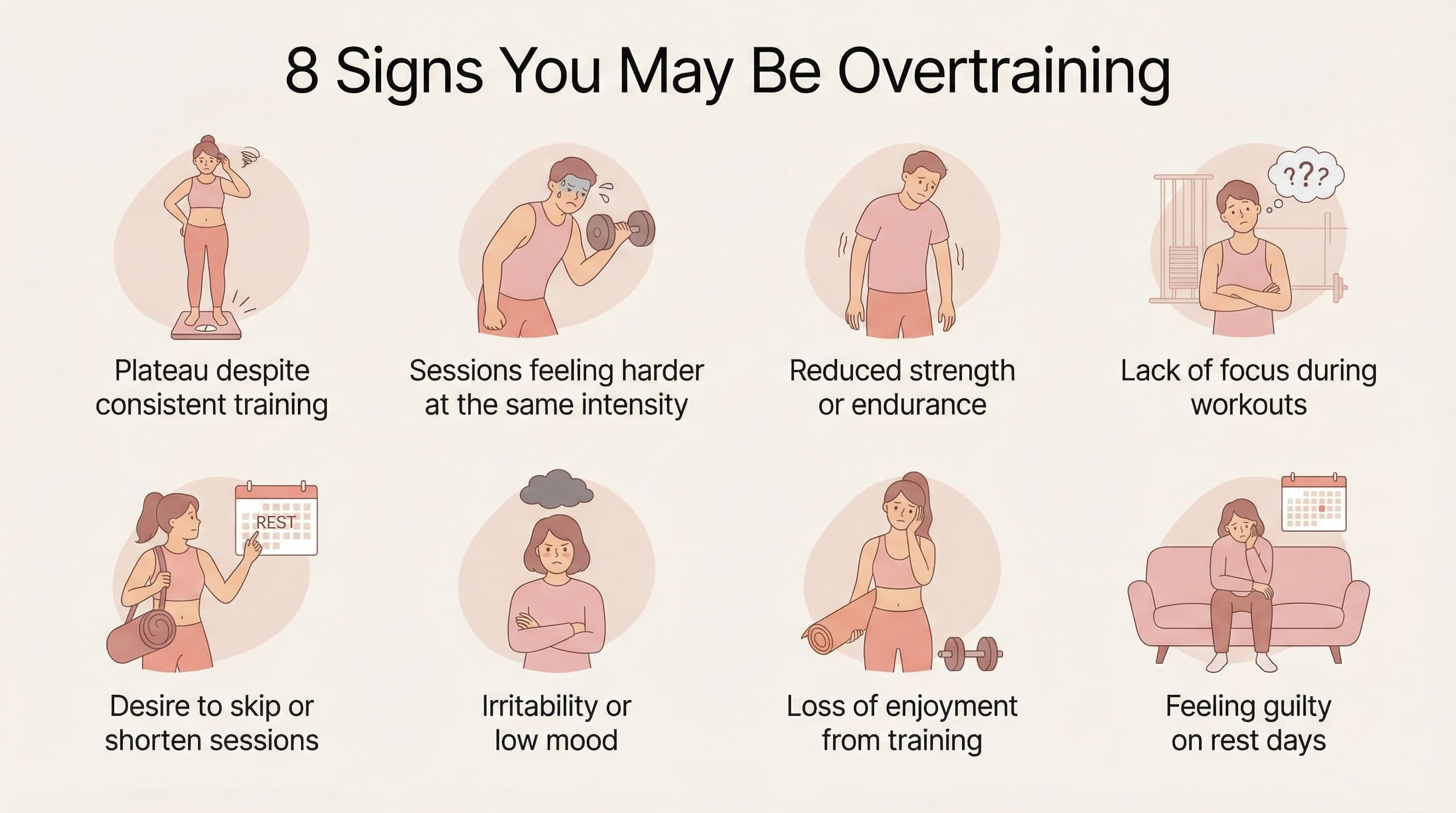
Performance decline is one of the clearest signs of overtraining, yet it’s often ignored.
Here are a few things to watch out for:
- plateau despite consistent training;
- sessions feeling harder at the same intensity;
- reduced strength or endurance;
- lack of focus during workouts;
- desire to skip or shorten sessions;
- irritability or low mood;
- loss of enjoyment from training;
- feeling guilty on rest days.
These are not discipline problems. They are nervous system signals.
In high-achievement environments like Dubai, people often push harder instead of adjusting. That response usually makes things worse.
Modern recovery methods that actually help
Recovery supports progress only when it matches training load and lifestyle demands. These five methods form a practical recovery framework.
Planned deloads and load management
Planned deloads reduce overall training volume while keeping movement quality and coordination intact.
They give joints, muscles, and the nervous system time to reset without stopping training completely. Load management also includes rotating intensity across the week instead of stacking hard sessions back-to-back.
Nervous system monitoring and fatigue tracking
Modern recovery looks at how your nervous system responds, not just how sore you feel.
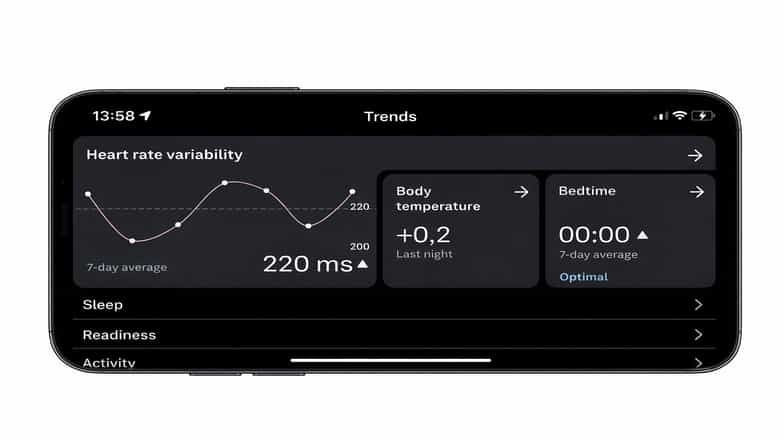
Heart rate variability, resting heart rate, and perceived exertion help identify early fatigue. When coaches adjust sessions based on these signals, performance stays stable and injuries become less common.
Sleep quality and circadian rhythm support
Sleep drives physical repair, hormonal balance, and mental focus.
Regular sleep times, controlled light exposure, and evening routines support deeper recovery. Inconsistent sleep quickly reduces training tolerance, even when nutrition and programming stay solid.
Active recovery and movement restoration
Recovery does not always mean full rest.
Low-intensity movement improves circulation, joint range, and tissue quality without adding stress. Mobility work, controlled stretching, and light aerobic sessions help the body feel ready for the next training load.
Nutrition, hydration, and heat adaptation
Fueling recovery goes beyond calories.
Protein supports muscle repair, carbohydrates restore training energy, and fluids help regulate fatigue. In hot environments, electrolyte balance becomes critical, especially when training frequency is high.
How to course-correct if you suspect overtraining

If several signs feel familiar, small changes can make a big difference.
- Reducing training volume for 1–2 weeks.
- Keeping intensity but lowering frequency.
- Prioritising sleep and hydration.
- Replacing one hard session with mobility or low-intensity work.
- Talking to a coach instead of guessing.
Ignoring the signs usually leads to longer setbacks. Responding early keeps progress moving.
Train hard, recover smarter
Overtraining does not mean you’re weak or unmotivated. It means your body needs a smarter balance between stress and recovery.
Progress comes from consistency, not exhaustion. When training matches your lifestyle, environment, and recovery capacity, results follow without burnout.
If you want to learn how structured training, recovery-focused programming, and coached classes work together, explore BODIFY’s training options and classes. The goal is simple: help you train better today and still feel strong months from now.