


How Morning vs Evening Workouts Affect Strength, Sleep and Energy

Early meetings, long workdays, late dinners, packed calendars. Somewhere inside all that, you try to train consistently. One of the most common questions we hear every day at Bodify sounds simple: Should I train in the morning or the evening? Let’s look at what actually changes.
Morning workouts
Morning training creates structure. You wake up, you move, and the session is done before the day begins to pull you in. Many women notice that morning workouts:

- Improve mental clarity.
- Make the rest of the day feel productive.
- Support consistency across weeks.
Physiologically, your body temperature is slightly lower early in the day. Muscles may feel tighter at first. A longer warm-up usually solves that.
There’s also a psychological effect. Finishing a workout before emails start coming in feels empowering. It sets the tone. In cities like Dubai, earlier sessions often feel lighter because the day is still fresh.
Evening workouts
Later in the day, your body is fully awake. Core temperature is higher. Reaction time improves. Muscles feel more elastic. Maybe it’s why many women report feeling stronger in the evening. Lifts feel smoother, which is why heavy strength sessions sometimes perform better at this time.

But you should understand that high-intensity training close to bedtime can leave the nervous system stimulated. Some women wind down easily afterwards, others feel alert for a long time.
What does it mean? Are morning workouts better for sleep? You know, if your evening sessions are moderate strength at controlled intensity, Pilates, or Yoga, it tends to integrate well into a nighttime routine. But if your sleep starts to feel lighter after late workouts, adjusting intensity or finishing sessions earlier often helps within days.
How timing affects sleep quality
Morning training supports circadian rhythm because it combines movement with natural light exposure. Many women find they fall asleep more easily on days they train earlier.
Evening training requires awareness rather than avoidance. The key factor is intensity. A calm session at 7 pm feels very different from intense intervals at 9:30 pm.
If you notice:
- Difficulty falling asleep;
- Restless nights;
- Morning fatigue after late workouts.
Consider experimenting with earlier sessions or adjusting effort levels. And remember: consistency matters more than chasing the “perfect” hour.
Energy patterns and personal rhythm
Did you know everyone has a natural energy rhythm? You could have noticed that some women wake up alert and ready to move. Others need more time in bed in the morning, and a big, big cup of coffee before their body feels responsive. Training in sync with your natural rhythm often feels easier.
Ask yourself:
- When do I feel mentally sharp?
- When do I feel physically strongest?
- Does evening training energise me or leave me wired?
Dubai adds another variable: heat and hydration. Even indoor sessions feel different if you’ve been exposed to high temperatures all day. Afternoon and evening workouts may require more hydration and fueling than early morning ones.
A useful tip: a small pre-workout snack before evening training often makes a noticeable difference.
Tracking tools and self-awareness
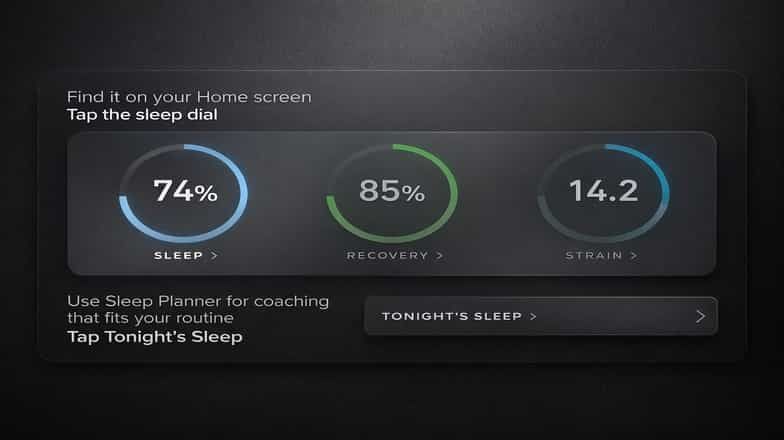
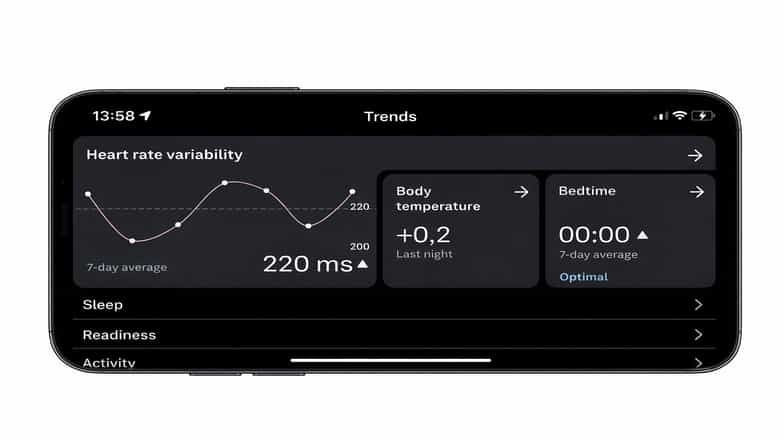
Wearables such as the Apple Watch, Whoop bracelet and other smart trackers can now track heart rate variability, resting heart rate, and sleep cycles. These metrics help identify patterns.
If recovery scores drop after late workouts, your body may need more wind-down time. If strength numbers improve consistently in the evening, that may be your natural peak window.
Still, technology supports awareness; it doesn’t replace it!
The Dubai lifestyle factor
Here, flexibility often works better than strict rules.
Some women schedule heavier strength sessions at the time they feel strongest, then place lighter mobility or Pilates sessions in tighter time slots. Others shift between morning and evening training depending on workload.
The goal isn’t choosing one “correct” time forever. The goal is finding a rhythm that leaves you feeling steady, capable and willing to return the next day, not exhausted and negotiating with yourself.
What matters most
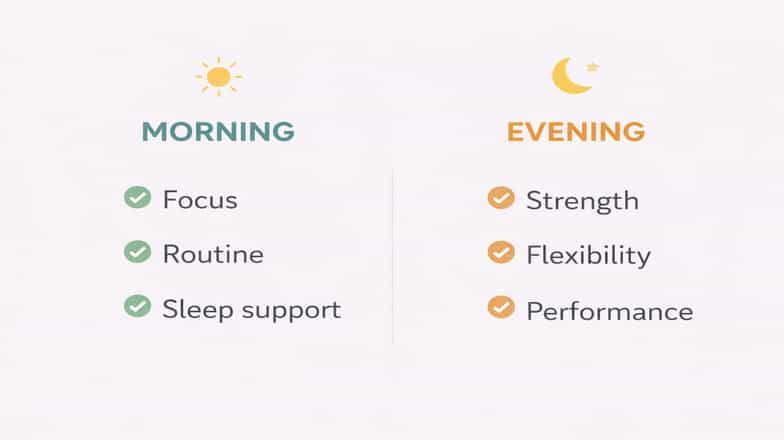
Morning workouts offer structure and often support better sleep alignment. Evening workouts can deliver stronger performance and higher power output.
Both work.
The best time to train is the one you can repeat consistently while sleeping well and feeling energised throughout the day.
If you’re unsure which timing supports your goals, explore the class formats at Bodify. Our coaches can help align your training intensity, schedule, and recovery so your workouts build strength without compromising sleep or daily energy.