



The Macro Formula for All-Day Energy. No More Coffee Dependence
Dubai runs on momentum. Early meetings, long commutes, late dinners, evening workouts. Many women try to power through the day on coffee and willpower, then wonder why energy crashes hit mid-afternoon.
At BODIFY, conversations about training often turn into conversations about food. The reason is simple: the balance of protein, carbohydrates, and fats directly shapes how you feel — in the gym and at 3 pm when focus starts to fade.
Calories matter. But the mix matters more than most people realise.
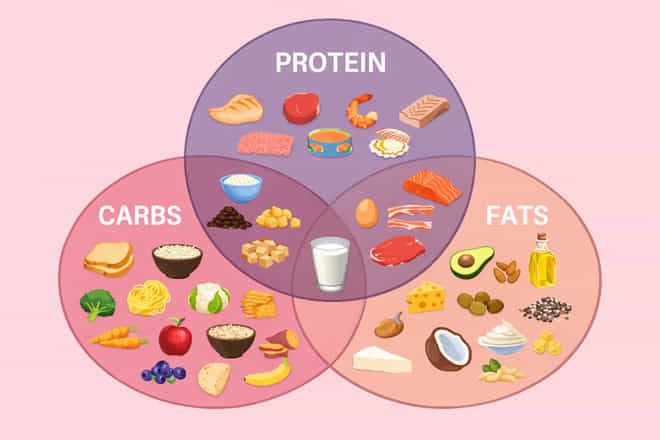
Macronutrients: what they actually do
Macronutrients are the nutrients your body needs in larger amounts:
- Carbohydrates fuel movement and mental activity;
- Protein repairs and builds muscle;
- Fats support hormones and steady energy.
Each one plays a different role. When one is consistently too high or too low, energy tends to swing.
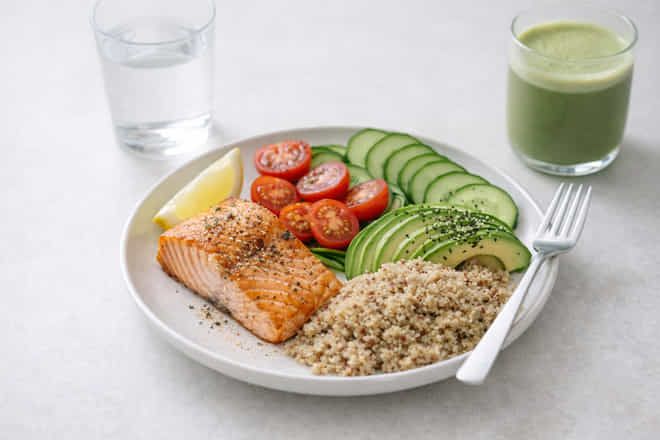
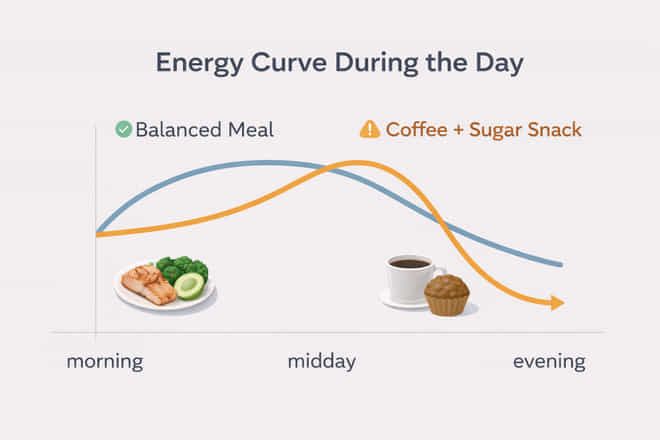
For example, a breakfast built mostly around refined carbs may feel great for 40 minutes. Then comes the dip. On the other hand, a meal that combines protein, fiber-rich carbs, and healthy fats usually feels calmer. More stable. Less dramatic.
Balance means building meals that support how you want to feel. It can be as simple as including protein, quality carbs, and healthy fats in a way that fits your routine.
Carbohydrates and the energy rollercoaster
Carbs get blamed for fatigue all the time. In reality, they’re your body’s preferred energy source.
The issue is speed.
Highly processed carbs digest quickly. Blood sugar rises fast, then falls just as quickly. That drop often shows up as sleepiness, irritability, or cravings.
Complex carbohydrates — oats, fruit, quinoa, brown rice, vegetables — release energy more gradually. The difference is noticeable, especially during long workdays.
For women training in Dubai’s climate, carbs are even more important. Heat increases overall stress on the body. Going too low on carbohydrates while training hard often leads to sluggish workouts and longer recovery.
A practical approach:
- Include carbs before workouts to support performance;
- Pair carbs with protein after training;
- Choose slower-digesting sources during busy work hours.
Carbs are fuel. The goal is steady energy.
Protein and why it changes how your day feels
Protein is usually discussed in the context of muscle, but it also influences daily energy more than many expect.

Meals with adequate protein:
- Keep you full longer;
- Reduce random snacking;
- Help stabilise blood sugar.
When protein intake is too low, energy can feel inconsistent. You may feel hungry again quickly. Workouts may feel heavier.
Spreading protein across the day works better than saving it all for dinner. Think eggs or Greek yogurt in the morning, lean protein at lunch, and a protein-based snack if needed.
It’s a small adjustment that often makes afternoons feel easier.
Fats and sustained focus
Fats digest more slowly. That slower digestion contributes to longer-lasting energy.
Healthy fats — avocado, olive oil, nuts, seeds, fatty fish — support hormone regulation and brain function. In high-stress environments, adequate fat intake supports overall balance.
Very low-fat diets often look disciplined on paper but can leave people feeling irritable or mentally foggy. On the other hand, extremely heavy, high-fat meals before training can make one feel sluggish.
Moderation works best. Small amounts spread throughout the day tend to feel steady and supportive.
Modern tools and personal awareness
Some women track macros using apps. Others rely on how they feel.
Wearables now track activity levels and sleep. Body composition scans show muscle changes. These tools can help, but they don’t replace awareness.
Patterns matter more than perfection.
If energy crashes happen at the same time each day, look at the previous meal. If workouts consistently feel flat, consider whether carbohydrates are too low. If recovery feels slow, check protein intake.
In Dubai, social dining and travel are common. Flexibility matters. A balanced weekly pattern is more realistic than rigid daily rules.
Macro balance for steady energy
While every woman’s needs differ, a helpful starting point often includes:
- Protein at each meal;
- Fiber-rich carbohydrates around activity;
- Moderate portions of healthy fats;
- Consistent hydration.
Hydration deserves emphasis here. In Dubai’s heat, dehydration alone can cause fatigue that feels like poor nutrition. Even well-balanced macros cannot compensate for low fluid intake.
Energy stability usually comes from small, repeatable habits rather than dramatic diet changes.
High Energy Starts with Smart Fueling
Macronutrient balance shapes how you feel throughout the day. Carbohydrates fuel performance. Protein supports recovery and satiety. Fats help maintain hormonal and mental balance.
In a fast-moving city like Dubai, steady energy makes training more productive and workdays more manageable. When nutrition aligns with activity levels, fatigue becomes more predictable and easier to manage.
If you want support aligning your nutrition with your training goals, explore the classes and coaching options at BODIFY. Smart training works best when it’s paired with smart fueling — and the combination often feels noticeably different.