


What One Missed Workout Doesn’t Show… But Years Will

In Dubai, packed calendars, long workdays, and year round heat make it easy to delay training without much thought. In this guide, Nastya Bonds, co-founder of BODIFY, explains how skipped workouts quietly affect energy, posture, and long term physical resilience in a city where pressure and pace rarely slow down.
At first, rest feels like relief. Later, the body begins to respond in subtle ways that affect energy, coordination, and stress tolerance. These changes build slowly until movement feels heavier than it used to.
What the Body Loses When Movement Stops
The earliest losses happen inside the muscle fibers. Strength declines faster than most expect, especially in the stabilizing muscles that protect joints and control posture. These muscles weaken long before visible size changes appear.
Cardiovascular capacity follows. The heart adapts to lower demand. Oxygen delivery becomes less efficient. Tasks like climbing stairs begin to feel more tiring even if body weight has not changed.
Joint health also shifts with inactivity. Cartilage relies on regular compression and release. Without it, stiffness replaces fluid motion. Small discomforts start appearing during ordinary movements.
Sleep reflects these shifts as well. Physical load supports deep sleep cycles. When movement fades, rest becomes lighter and recovery feels incomplete.
How Energy and Focus Fade over time

Energy rarely crashes overnight. The drop comes in layers. Morning alertness becomes unpredictable. Afternoon fatigue arrives earlier each week. Focus during long work sessions shortens.
Without regular movement, blood flow to the brain decreases. Stress hormones stay elevated longer. This imbalance shows up as slower reactions and reduced tolerance for pressure.
Many people describe the change as mental exhaustion. In reality, the nervous system has lost one of its main reset mechanisms.
Common Early Signals
These signs usually appear during ordinary workdays rather than during moments of physical effort.
- Rising reliance on caffeine
- Rest that no longer feels restorative
- Shorter attention span during meetings
- A heavier feeling in the body by evening
These signs often appear before people connect them to inactivity.
Strength and Posture Do Not Decline Evenly
The body does not weaken symmetrically. Smaller stabilizers in the core, hips, and upper back shut down first. Larger muscles try to compensate and quickly grow tense.

Posture begins to drift in predictable ways:
- Head shifts forward
- Shoulders round inward
- Hips tilt out of neutral alignment
These adjustments change breathing mechanics and load the spine unevenly. Tension settles into the lower back and neck. Over time, shallow breathing becomes the default.
Rebuilding posture later requires far more effort than maintaining it through steady movement. The body adapts to whatever pattern it repeats.
Metabolism and Hormonal Balance Respond to Inactivity
Training supports how the body handles sugar, fat, and stress hormones. When workouts disappear, insulin sensitivity drops. Energy highs and lows become sharper.
Muscle mass declines first. Basal metabolic rate follows. Fat storage patterns shift toward the abdominal area under elevated cortisol. These changes alter how the body distributes energy even at rest.
Hormonal signaling also changes. Growth hormone release slows during sleep. Recovery from daily stress takes longer. Mood fluctuations become more noticeable.
Digestive rhythm often changes as well. Regular movement supports intestinal motion. Sedentary routines encourage bloating and sluggish digestion.
Modern Training Formats that Prevent Long Gaps
Fitness systems no longer rely on long gym sessions as the only option. Short, focused formats allow consistency even during demanding weeks.

Many Dubai studios now use:
- 30 minute strength circuits
- Controlled mobility sessions
- Guided recovery training
- Hybrid conditioning blocks
- Postural reset formats
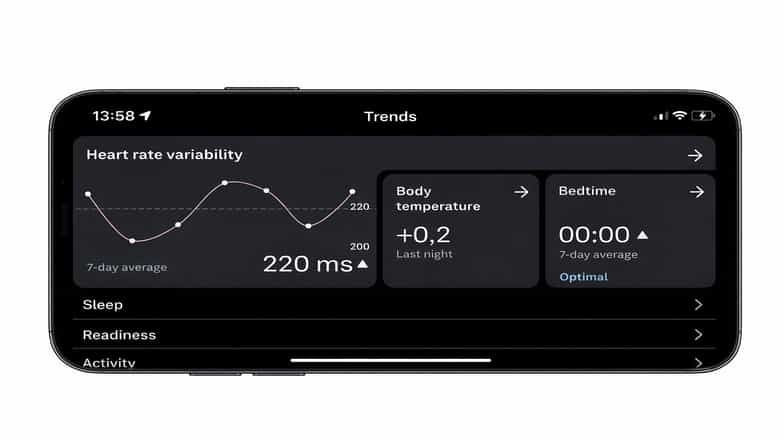
These sessions preserve nervous system balance while maintaining strength and coordination. Wearable feedback, remote tracking, and adaptive programming allow stress load to guide session intensity.
Instead of fixed weekly volume, training now adjusts to work pressure and sleep quality. This reduces long pauses caused by overload.
The Risk of Unstructured Breaks
Planned recovery supports progress. Unstructured breaks often erase it. Without a defined return point, the pause becomes the new baseline. Muscle signaling weakens. Coordination fades. Restarting begins to feel heavier than staying still.
Psychologically, skipping movement removes a key outlet for stress discharge. Emotional pressure builds faster. Small frustrations feel larger.
Many people notice that after extended inactivity, motivation declines instead of resets. The nervous system repeats the pattern it learns.
Fitness Habits in Dubai’s Work Driven Culture
Dubai rewards availability, speed, and output. Training is often the first habit to compress under pressure. Late work hours and travel schedules disrupt routine more than lack of interest.
Climate also shapes behavior. Outdoor activity fades during peak summer. Indoor studios offer consistency regardless of season, which supports year round training patterns.
Social formats play a role. Group class schedules create structure without reliance on willpower. This structure often becomes the anchor for long term consistency.
Studios that combine strength, mobility, and recovery instead of only high intensity models help clients sustain progress across demanding career phases.
Returning After Long Breaks
Rebuilding after months or years away requires recalibration. The nervous system must relearn coordination before heavy load returns.
Early sessions focus on:
- Breathing control
- Joint positioning
- Slow strength patterns
- Balance and alignment
This phase protects joints and restores movement confidence. Within weeks of steady training, sleep stabilizes, posture begins shifting back toward neutral, and mental clarity improves.
People are often surprised by how quickly the mood responds once movement becomes routine again.
How Consistency Protects Long Term Health
Consistency is your long-term insurance against physical decline. It protects you from:
- Rapid strength loss, which begins after just 10–14 days of inactivity
- Progressive joint stiffness, driven by reduced lubrication and tissue elasticity
- Postural collapse from desk work, leading to chronic neck, back, and hip pain
- Energy crashes during long workdays, caused by reduced mitochondrial capacity
- Declining recovery ability, which makes even light stress feel overwhelming
True consistency doesn’t mean training hard every day. It means sending your body regular, repeatable movement signals — week after week, month after month, year after year. These signals tell your nervous system, muscles, joints, and metabolism: “Stay alive, adaptive, and strong.”
Summary
Skipping workouts rarely feels costly in the short term, but the long term effects reach posture, strength, energy regulation, metabolism, and mental clarity. Modern training formats make steady movement possible even during demanding work cycles, which reduces the need for long breaks. Dubai’s studio based culture supports this consistency through climate controlled environments and flexible programming. Those who want to protect their energy and long term resilience can explore structured training options through BODIFY, where fitness is built around realistic routines rather than short bursts of effort.