



Why Women In Dubai Get Better Results With Fewer Workouts
In Dubai, less training produces better results more often than you’d think, especially when your week already includes long workdays, heat, traffic, and a calendar that never chills. If you’ve been doing “more” and getting… nothing, start here.
The Real Reason You Feel Puffy, Tired, And Stuck In Dubai
Dubai makes it easy to overdo it. You can stack a 6:30 spin class, lunch Pilates, and a “quick” gym session at 21:00. Your body doesn’t care that your schedule looks productive.
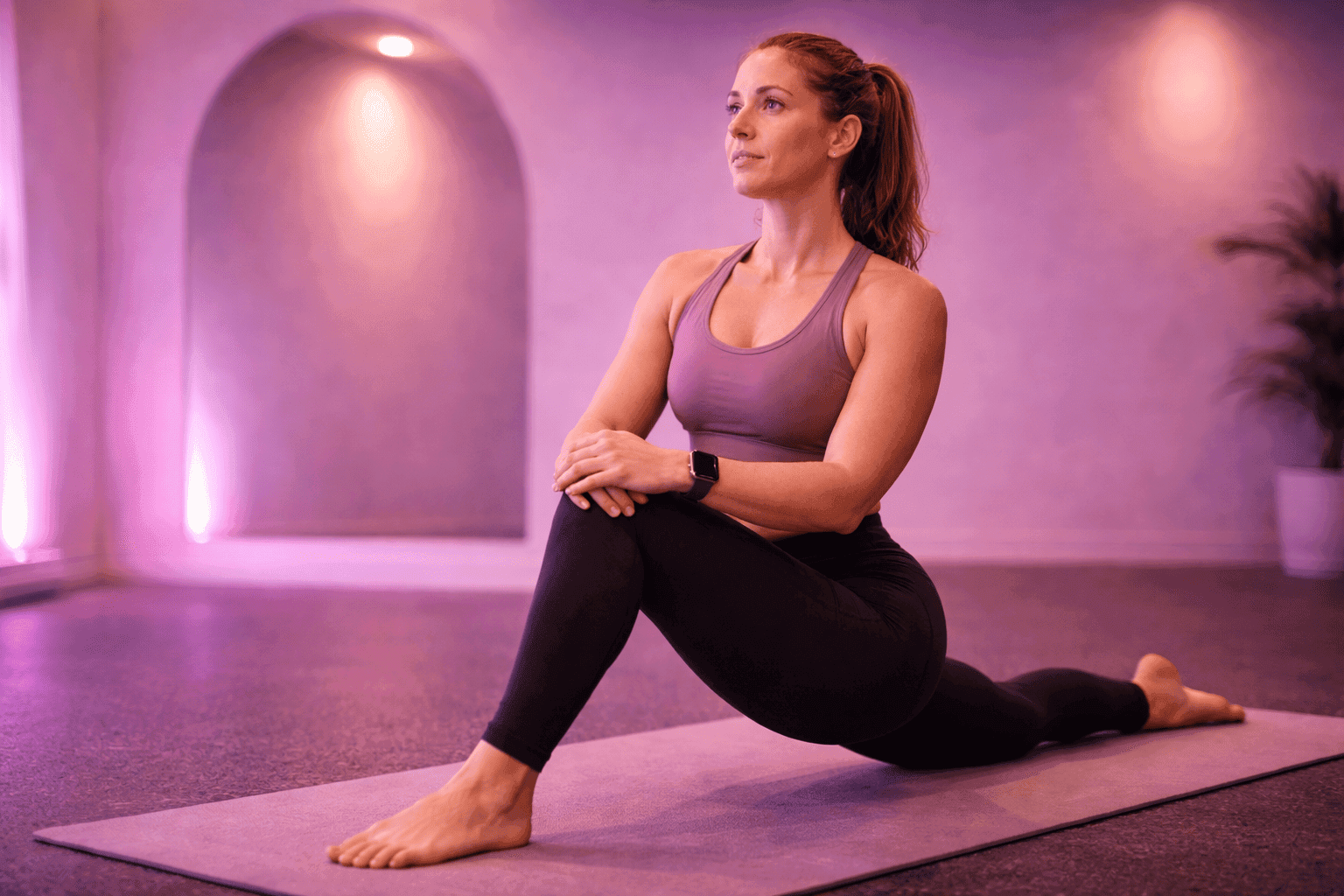
Heat plays a role too. Even if you train indoors, you still walk to your car in 35–45°C, you sweat more, and you often drink less than you need. Add poor sleep from late dinners, screens, and early starts. Then add stress. That combo pushes recovery down. Here’s what we see all the time with women who join classes in Dubai:
- They train 5–6 days a week.
- They “eat clean” but under-eat protein and total calories.
- They sleep 5–6 hours.
- They feel puffy, tired, and stuck.
- Their weight doesn’t move, or it drops then rebounds.
And the worst part: they assume the fix is even more training. No, dear!
The results you want usually come from recovery, not punishment
Muscle doesn’t grow during your workout. You break it down, then you rebuild it later. Fat loss also responds to stress. If stress stays high, your body gets stingy with energy. You hold water. You feel hungrier. Your NEAT (daily movement) drops without you noticing.
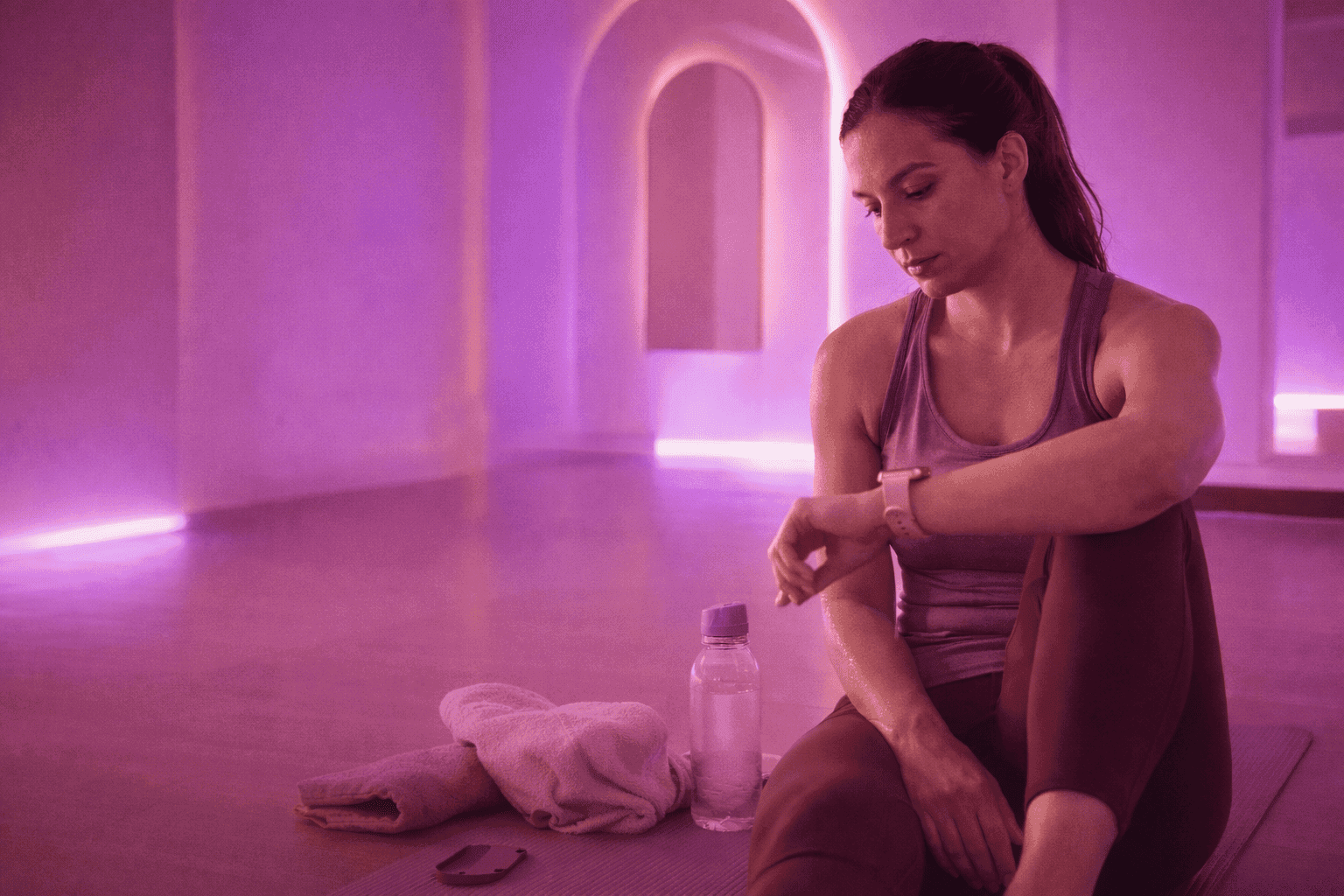
Common signs you’re training too much for your current recovery:
- Your strength stalls for 3–4 weeks.
- Your resting heart rate climbs.
- Your sleep gets lighter (you wake up at 03:00–04:00).
- You feel flat in workouts that used to feel fine.
- Your cycle gets weird: delayed, heavier, or extra PMS.
- You get nagging aches (hip flexor, low back, shoulder).
If you recognised yourself in that list, you don’t need a motivational speech. You need fewer hard sessions and a better plan, and you can build it with the personal coaches at Bodify.
What “less training” looks like in real life
Less training doesn’t mean “do nothing.” It means you stop wasting energy on extra sessions that don’t move the needle. You keep the sessions that matter. You treat recovery like part of training. A solid weekly structure for a lot of Dubai women looks like this:
- 2–3 strength sessions (full body or upper/lower split).
- 1–2 low-impact sessions (Pilates, mobility, incline walking).
- 1 full rest day (no “active recovery” guilt).
If your goal is shape, strength, and tightness, 3 quality strength sessions often beat 5 rushed ones.
Example: The “busy week” plan (4 sessions)
- Day 1: Strength (45–60 min),
- Day 2: Pilates or mobility (40–50 min),
- Day 3: Rest,
- Day 4: Strength (45–60 min),
- Day 5: Incline walking or easy bike (30–40 min),
- Day 6: Strength (45–60 min),
- Day 7: Rest.
No hero behaviour and no doubles, you still progress.
Example: The “I’m stressed and not sleeping” plan (3 sessions)
- 2 strength sessions (shorter, heavier basics),
- 1 Pilates session (core + control + breathing),
- Walking daily, but easy pace.
This one feels too light on paper. Then, two weeks later, your waist looks better and your lifts move again.
Modern methods that help you do less, better
You don’t need fancy tech, but a few tools can stop you from guessing.
Progressive overload, but with brakes
Most women understand “lift heavier over time.” The missing piece is knowing when to hold steady. If you add load every week while your sleep and food are inconsistent, you’re stacking stress on stress.
A simple rule: if you can’t match last week’s reps with clean form for two sessions in a row, you don’t need more volume. You need recovery.
RPE and “leaving reps in the tank”
Training to failure feels satisfying. It also wrecks you if you do it often. Use effort levels on purpose:
- Most sets at RPE 7–8 (you could do 2–3 more reps);
- Occasional sets at RPE 9;
- Rare failure sets, and not on big compound moves.
That approach keeps you improving without turning your legs into concrete for three days.
Tracking that doesn’t take over your life

If you hate tracking, don’t track everything. Track the basics for 2–3 weeks:
- Sleep time;
- Steps (roughly);
- Loads/reps on 4–6 key exercises;
- A simple note: “energy 1–10”.
Patterns show up fast. If your energy is 4/10 but your training volume is climbing, that’s your answer.
Recovery work that actually counts
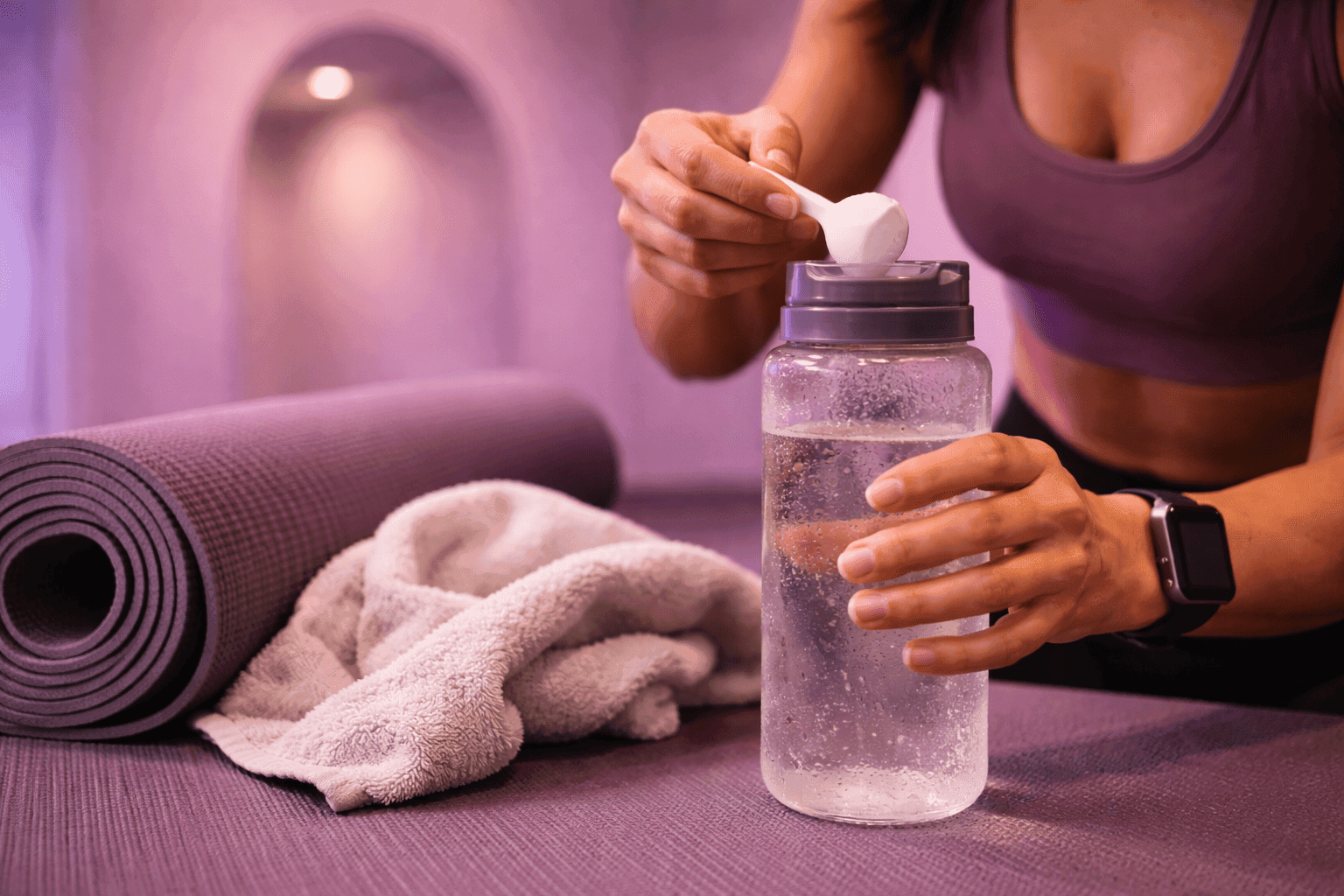
Recovery isn’t only foam rolling for 8 minutes. In Dubai, these matter more:
- Hydration + electrolytes (especially summer and sauna lovers);
- Protein daily (most women under-hit it without realising);
- Earlier caffeine cut-off (after 14:00 messes with sleep for many);
- Light exposure in the morning (yes, even 10 minutes helps).
If you want one practical target: aim for 1.6–2.2 g protein per kg body weight per day. Not perfect every day, just consistent.
Dubai and the Middle East angle: what changes here
Dubai has its own training culture. It’s social, class-based, and often high intensity. That can be fun. It can also push you into “always on” mode. A few local factors make “less training produces better results” even more true:
- Heat + dehydration increases fatigue faster;
- Late nights are normal, so recovery gets squeezed;
- Fasting periods (like Ramadan) change training timing and volume needs;
- Aesthetic goals dominate, so women overdo cardio and underdo strength.
During Ramadan, for example, many women do better with:
- 2 strength sessions per week;
- Shorter sessions (30–45 min);
- Training after Iftar or close to it;
- Lower intensity and more focus on form.
You can still train. You just don’t train like it’s January. The sweet spot is simple: fewer sessions, higher quality, planned recovery.
A quick self-check before you add another class
Ask yourself:
- Did I sleep 7–9 hours most nights this week?
- Am I eating enough protein and enough total food?
- Am I progressing in strength or reps over the month?
- Do I feel better after training, not worse?
If the answer is “no” to most of those, more sessions won’t fix it. You’re already in the red.
If you want a plan that matches your week, your cycle, and your stress level, check out the classes and coaching at Bodify. You’ll get structure that keeps you improving without living in the studio.