



How Functional Training Helps Reduce Lower Back Pain in Everyday Life
In a city like Dubai, where so many people work for long hours at a computer and drive everywhere, lower back pain has become a common complaint.
In this guide, Nastya Bonds, co-founder of Bodify, explains how functional training and working with a personal trainer in Dubai can help you relieve tightness, stiffness, or daily discomfort by strengthening movement patterns instead of stressing your spine. Studios like Bodify focus on movements that match real life, which helps your back cope with everyday forces rather than reacting to them.
Lower back pain rarely solves itself. You usually need to teach your body how to move again.
What functional training really is
Functional training is all based around the concept of training movements that you actually use during the day. Instead of isolating muscles, it focuses on movements like bending, lifting, pushing, pulling, rotating, and stabilising, all done with awareness and control.
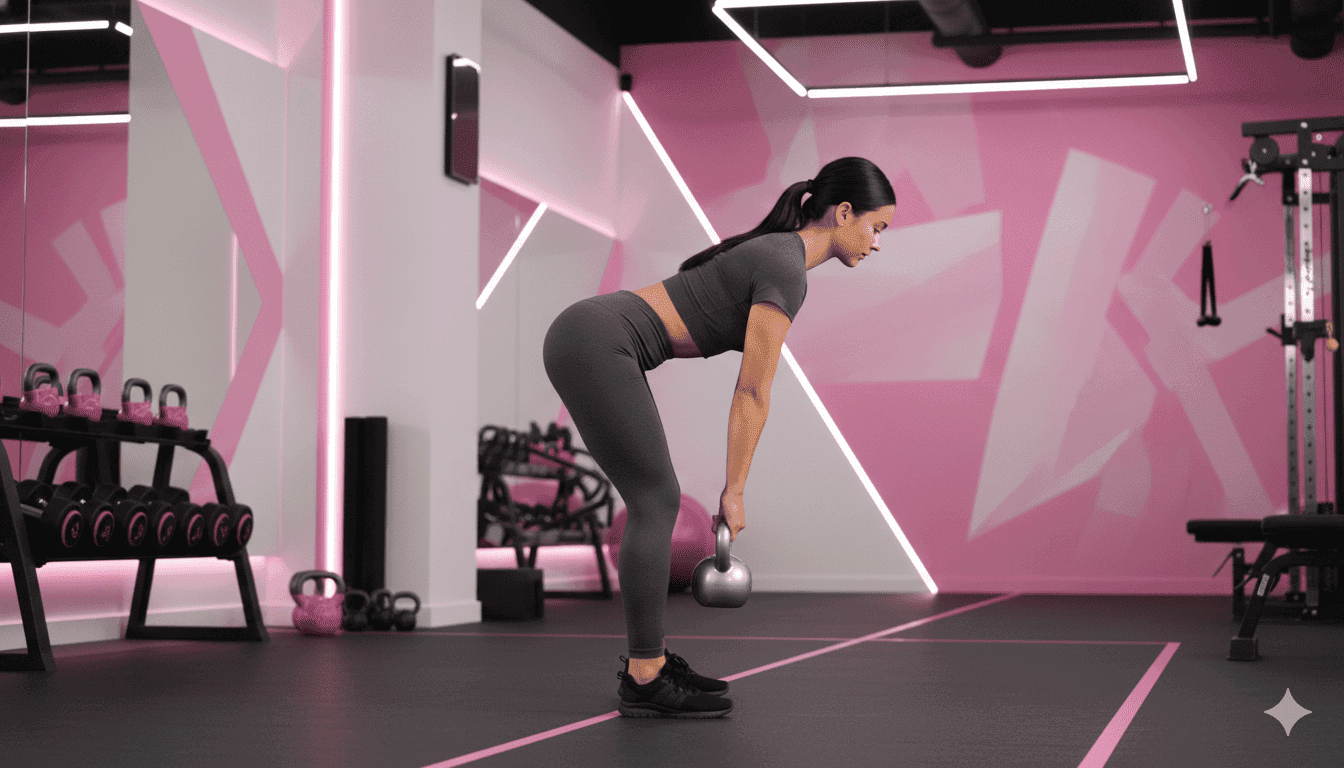
You learn how to hinge the hips instead of folding the spine. You learn how to keep your core engaged during everyday tasks, a principle also used in Pilates. Most importantly, you learn how to distribute force through the whole body rather than dumping everything onto the lower back.
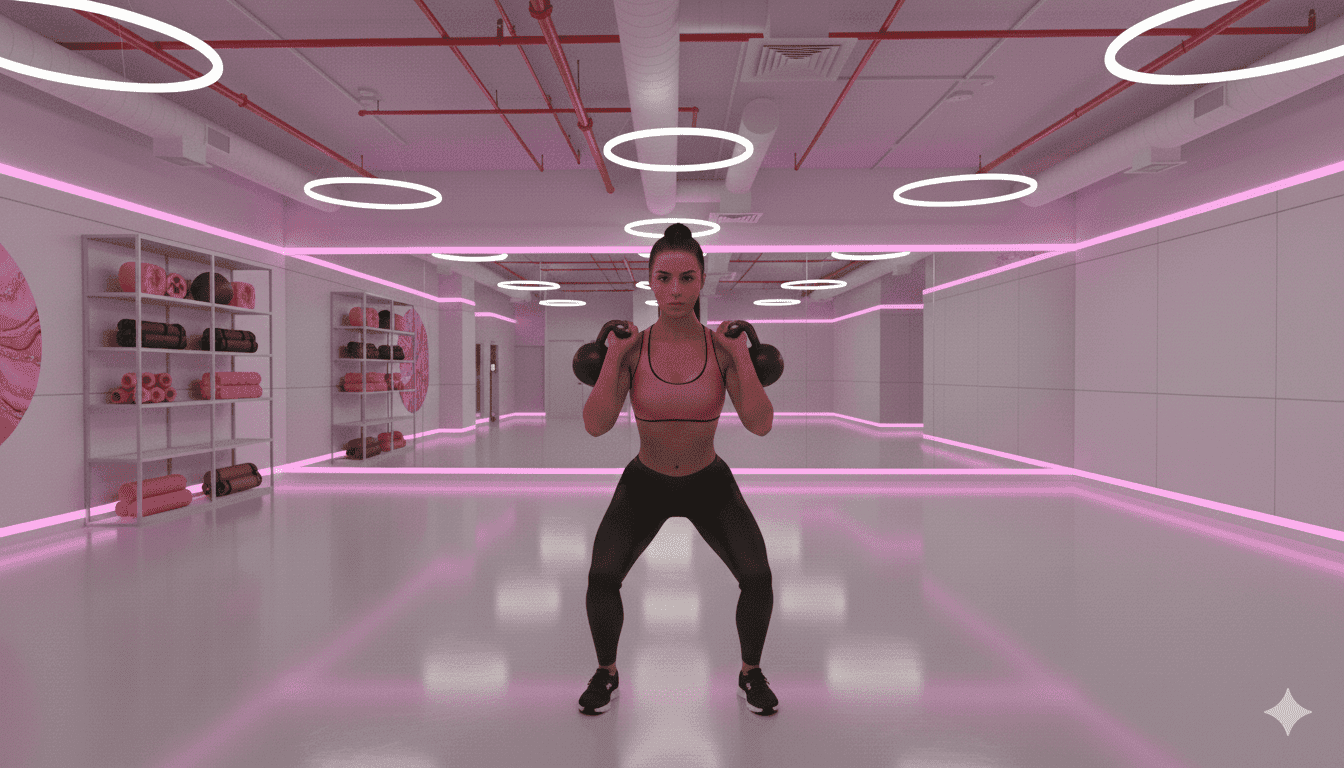
Good functional training focuses on these basics:
- Proper hip hinge mechanics
- Core activation that supports the spine
- Stable shoulder and hip positions
- Balanced strength between front and back muscles
When these start to click, your back immediately feels less stressed because it is no longer compensating for weak or inactive areas.
Why your back hurts more in Dubai
Dubai has a lifestyle that encourages lower back issues. You spend long periods sitting in cars. You walk on hard flooring. You switch between air conditioning and outdoor heat, which tightens muscles faster and often increases the need for stretching classes. Many people work from laptops or mobile devices, which rounds the spine and strains the neck.
Add long work hours, irregular training schedules, and sudden weekend workouts, and your spine ends up confused. It needs consistency and balance, not occasional intensity.
Functional training helps you rebuild those basics. You learn how to move without squeezing the lower back every time you bend or twist.
How Functional Training Targets Lower Back Pain
Lower back pain usually comes from weak glutes, inactive deep core muscles, tight hip flexors, or poor movement patterns. Functional training tackles all of these at once.
Core work that is relevant to real movement
You are not doing endless crunches. You learn how to brace the core while standing, walking, lifting, or rotating. This type of engagement protects the lumbar spine by sharing the load.
Hip strength that supports the spine

Weak glutes force the lower back to work harder. Functional exercises train the hips to handle movement so the back stops absorbing shock with every step.
Mobility that prevents tension from building
Functional sessions open the chest, loosen the hip flexors, and free up the thoracic spine. When those areas move better, the lower back no longer acts as the body’s “emergency hinge.”
Pattern training that removes bad habits
If you bend with a rounded spine, you learn a clean hinge. If you twist with your lower back instead of the upper spine, you fix that pattern. These small changes remove a lot of daily discomfort.
The most useful functional exercises for back relief
You can build a lot of relief just by repeating simple movements that teach your body how to stabilise and move load without dumping pressure into your lower back.
| Exercise | What it Trains | Why it Helps Your Lower Back |
| Hip hinge practice | Teaches hip loading instead of spinal rounding | Reduces strain when bending or lifting |
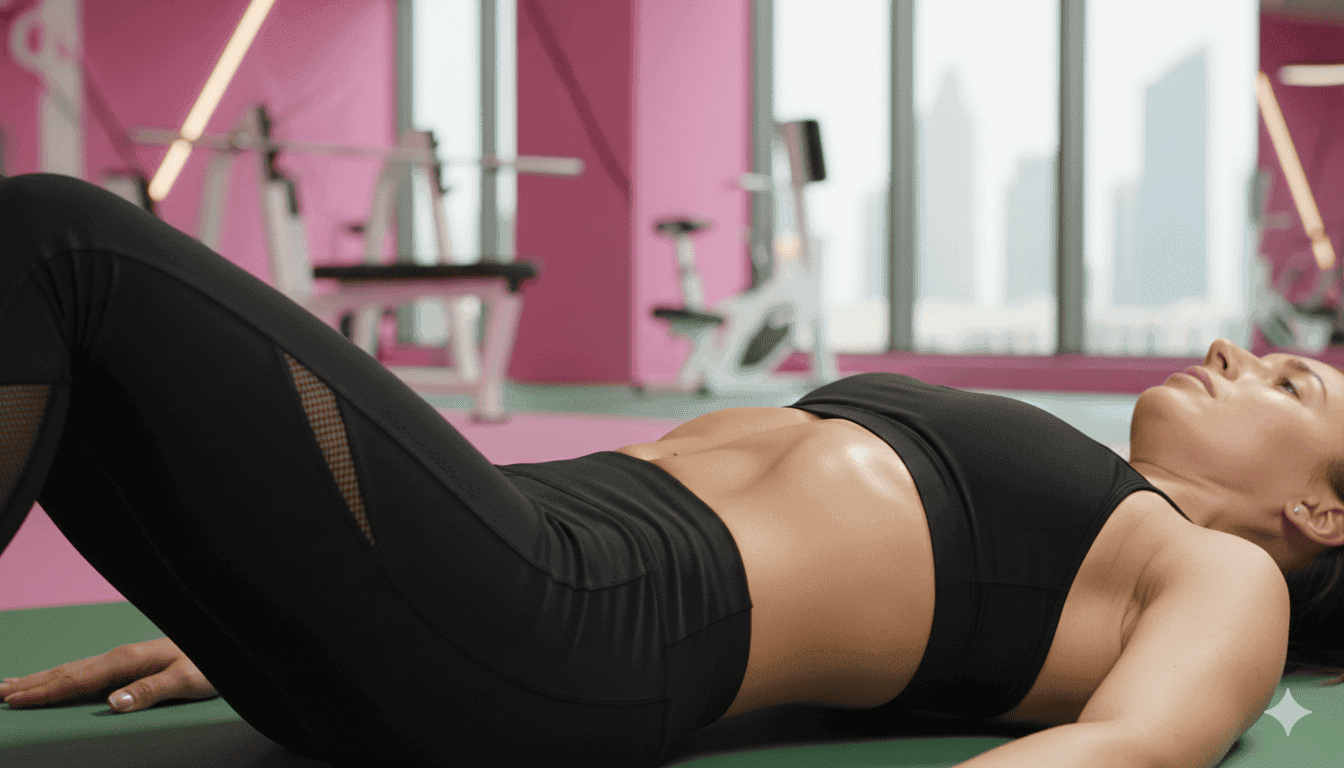
| Glute bridges (and single-leg variations) | Glute activation and pelvic stability | Prevents the lower back from compensating for weak hips |
| Bird dogs | Deep core control with limb movement | Builds spinal stability during everyday rotation |
| Dead bugs | Coordination of breathing and core tension | Supports the lumbar spine without crunching |
| Farmer carries | Grip, posture, and trunk stiffness | Encourages neutral spine when walking or lifting bags |
| Squat patterns | Safe knee-hip coordination | Helps you lift objects without flexing the lumbar spine |
| Thoracic rotations | Upper-back mobility | Stops the lower back from twisting to compensate |
Once you understand what each exercise is doing for you, you can slot two or three into your routine a few times per week and feel steady progress without forcing intensity.
Why functional training will likely work better for you than random workouts
Lower back pain often gets worse when you train without structure. Heavy weights, fast movements, bootcamps, or high-impact cardio can irritate tight muscles instead of helping them.
Functional training slows things down long enough for you to build awareness. You focus on technique, joint alignment, breathing, and pacing. That is what helps you lift a grocery bag without feeling something pull or get out of a car without stiffness.
You also get more balanced muscle development. Instead of overworking certain muscles and ignoring others, you train the whole chain that supports your spine.
Modern methods used in Dubai studios
Functional training in Dubai often includes equipment that makes technique easier to learn. You might use kettlebells, resistance bands, sliders, suspension straps, or lightweight sandbags. These tools reinforce movement quality rather than raw strength.
Studios like Bodify also use:
- Movement screens to analyse posture
- Slow-motion video to correct form
- Mobility assessments
- Low-impact conditioning to support recovery
This structured approach improves results faster because you are not guessing what your body needs.
What functional classes look like in Dubai
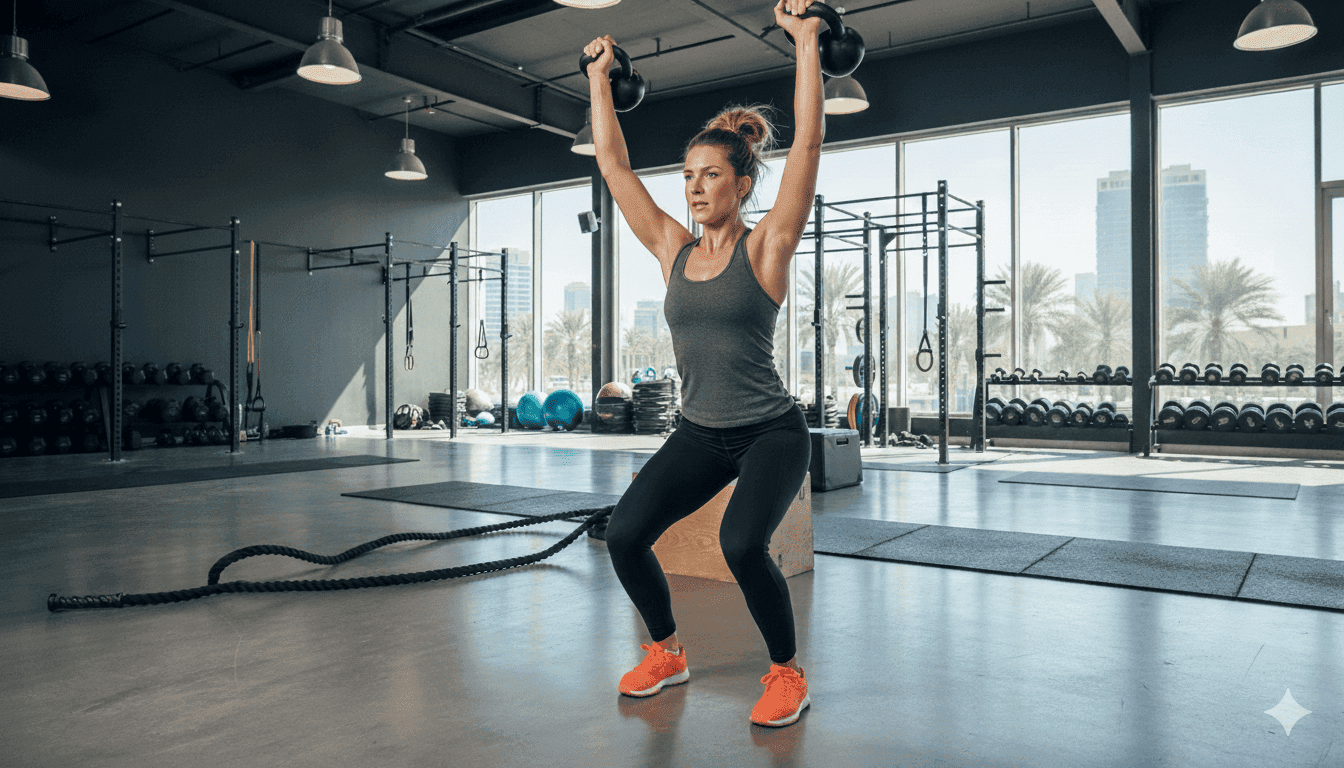
Dubai studios like Bodify tend to offer small-group or semi-private classes where instructors watch your form closely. Sessions often include warm-up mobility work, technique training, light strength, and practical movement patterns.
The environment is usually supportive rather than competitive. You get coaching that focuses on safe form, not pushing you to exhaustion. That matters when your lower back is sensitive.
Functional training also fits well with Dubai’s climate. Indoor conditioning avoids outdoor heat. Controlled temperature reduces muscle fatigue. Sessions are enjoyable rather than draining.
Is functional training right for you?
Most people see improvement faster than expected because you relearn basic movement patterns you use all day. You may notice you stand up straighter without forcing it, your back does not tighten after sitting, and lifting water bottles, shopping bags, or children feels easier. Walking usually becomes smoother, and you rely less on heat patches or creams. Once your hips and core start supporting themselves properly, your lower back stops acting as the emergency stabiliser.
These changes matter most if you recognise a few warning signs. Look out for things like:
- Back pain after long drives or desk work
- Morning stiffness getting out of bed
- Avoiding movements because they feel risky
- Posture collapsing when you are tired
- Regular training that never removes discomfort
If any of that sounds familiar, functional training gives you structure and purpose. You are not moving randomly. You are strengthening patterns that reduce pressure on your spine and help your body support itself again.
Reducing lower back pain for the long term
You can manage back pain successfully when you combine strength, mobility, and good movement habits. Functional training helps you build these without overwhelming your body. When you move better, your back stops being the weak link.
If you want to explore guided functional training in Dubai, Bodify offers structured classes, beginner-friendly coaching, and a supportive environment where you learn how to move without pain. It is a smart next step if you want your back to feel steadier in everyday life.