



Assisted Stretching vs Self-Stretching: Which One Gives Better Results and Why
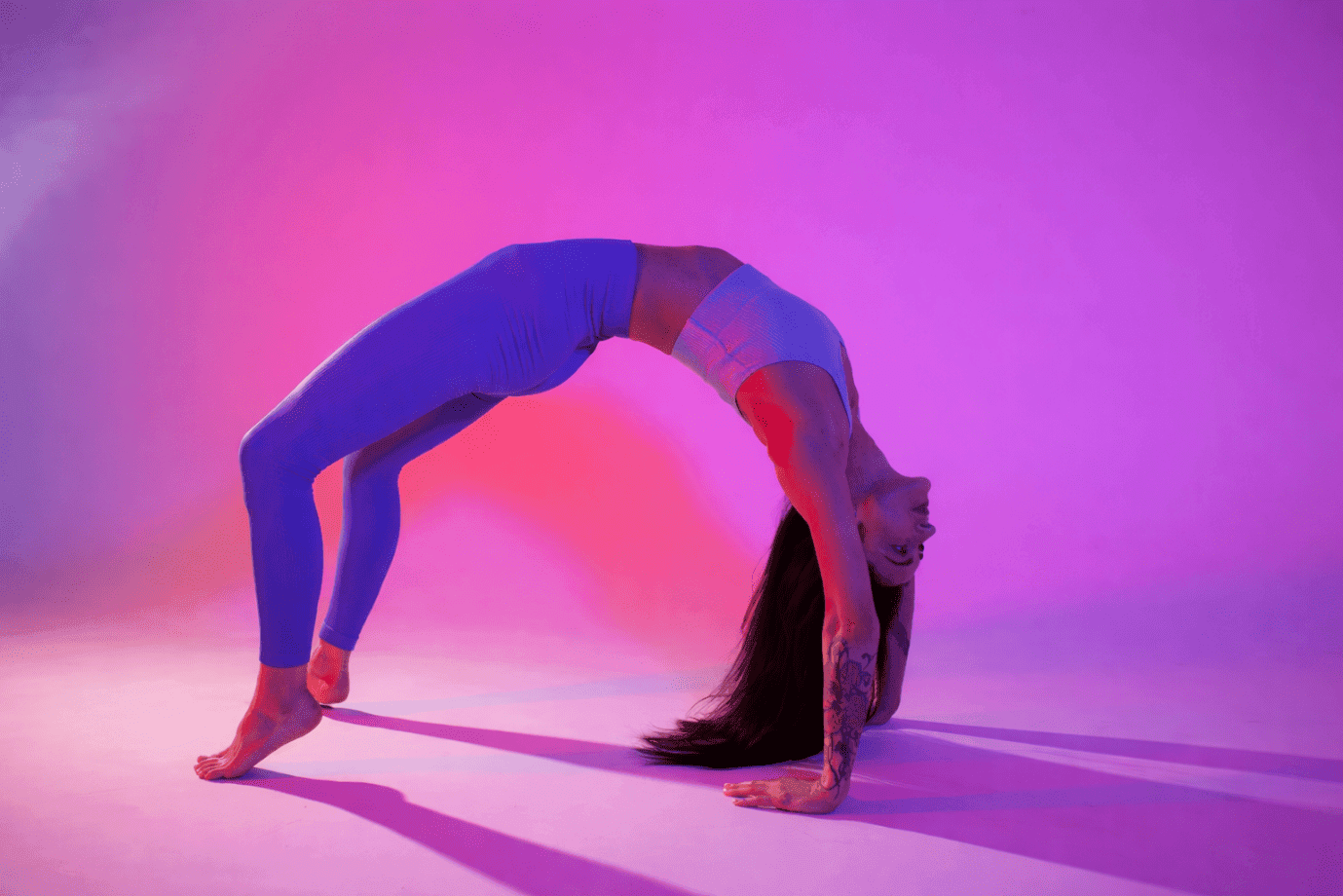
Assisted stretching vs self-stretching is a common topic of fitness in Dubai, especially after workouts or long workdays. Many people train hard, others sit for hours, and often both happen in the same day. Over time, the body feels tight. Hips move less, shoulders feel heavy, and simple movements take more effort. Stretching feels like the obvious answer, but the method matters.
Some people stretch on their own and feel fine. Others try assisted stretching once and notice a clear difference. Both aim to improve flexibility and movement, but the experience is not the same. In this article, we will look at assisted stretching and self-stretching and help you understand which option may work better for your body and daily life in Dubai.
What Assisted Stretching Is
Assisted stretching means a trained coach helps you stretch. You lie down or sit comfortably. You stay relaxed. The coach moves your arms or legs and controls how deep the stretch goes.
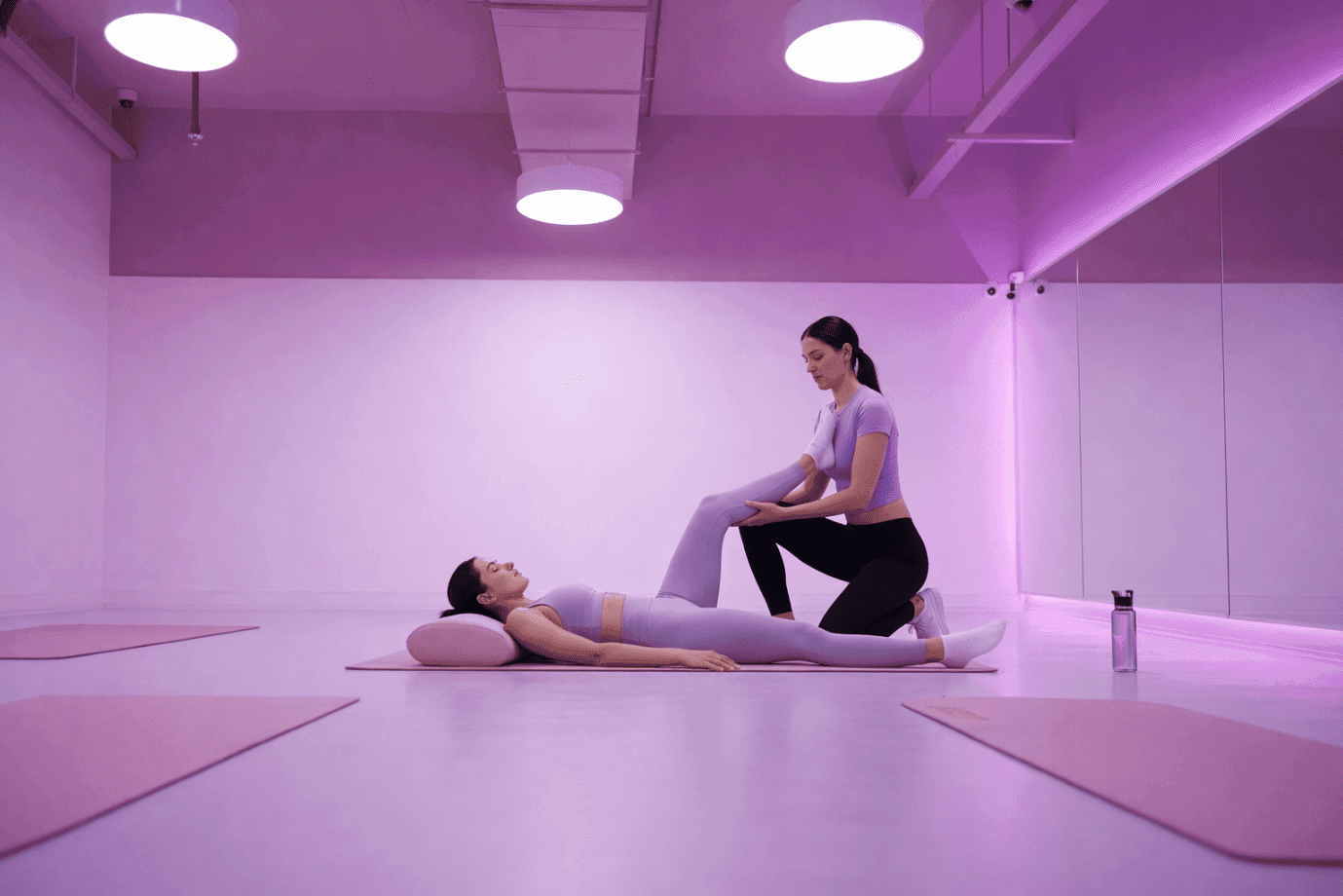
You do not guess what to do. You do not force anything. The coach watches how your body reacts and adjusts right away. If something feels too much, they change it.
You hear simple instructions. Breathe. Relax. Hold. Sometimes you gently push, then release. The session feels calm and focused.
This type of stretching is common in personal training studios and recovery gyms and is often offered as part of guided stretching classes. In Dubai, many people use it after strength training or during busy work weeks. It suits people who feel stiff but do not want to risk injury.
What Self-Stretching Looks Like in Daily Life
Self-stretching is what most people already know. You stretch on your own, at home or at the gym. You choose what to stretch and for how long.
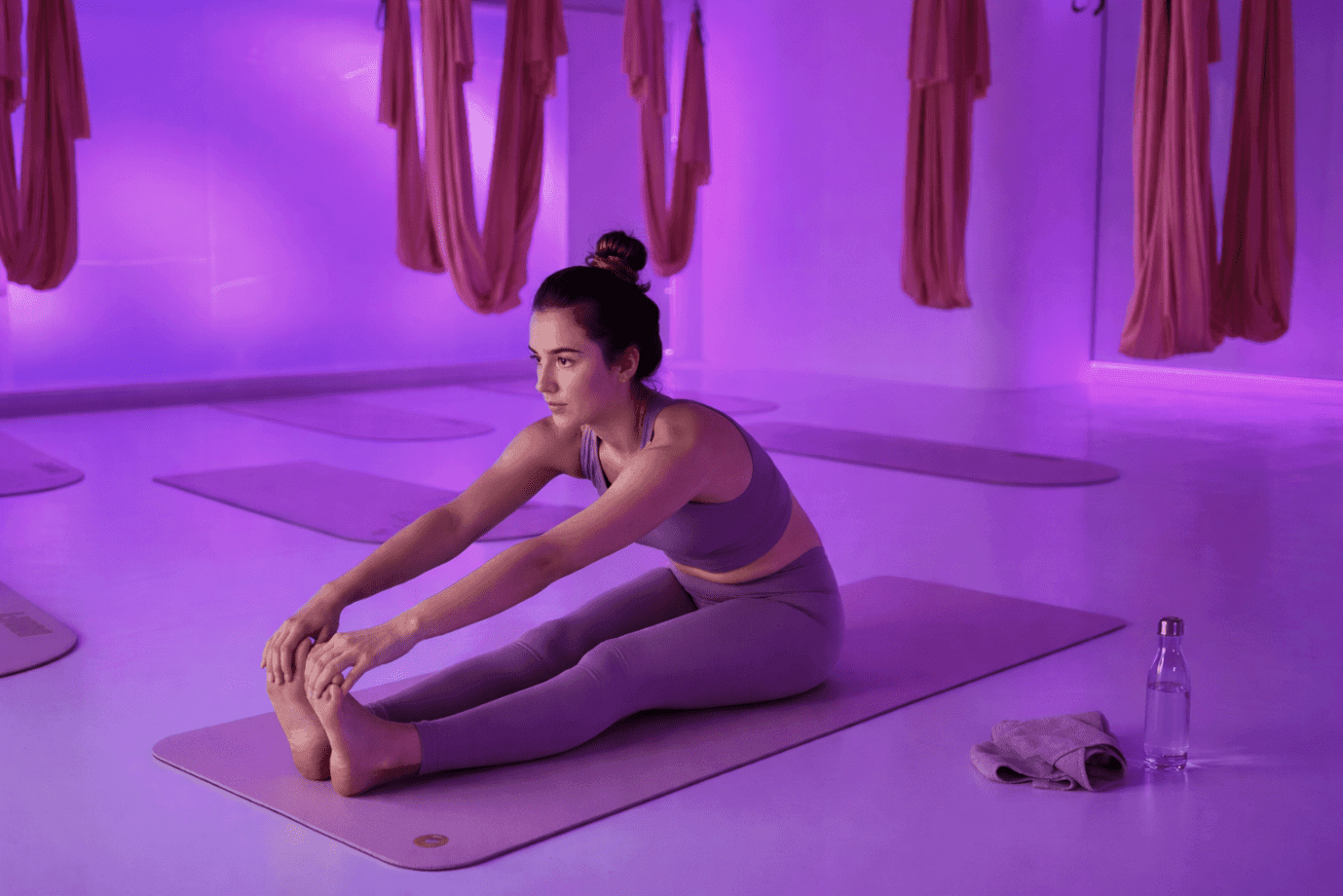
Many people stretch after workouts or before bed, or include flexibility work through regular yoga-classes. Others stretch whatever feels tight that day.
This method depends on your body awareness and habits. On good days, it works well. On busy days, it gets rushed or skipped. No one checks your form. No one tells you when to stop.
Self-stretching can help, but results depend on how often and how well you do it.
Modern Assisted Stretching Techniques Used in Training Studios
Assisted stretching now focuses on gentle movement and breathing. You lightly contract a muscle, then relax into the stretch. Movements follow natural joint motion. Breathing helps the body relax instead of resisting.
Sessions feel slow and controlled. The focus is on comfort and progress, not force.
Static Stretching in Assisted Stretching Sessions
 Static stretching involves moving a muscle close to its maximum length and holding the position for around 20 seconds. It usually targets one muscle group at a time. This method helps improve flexibility and balance. In assisted sessions, the coach controls the position and depth to avoid over-stretching.
Dynamic Stretching in Guided Training Environments
Dynamic stretching uses controlled movement through a range of motion. Several muscle groups work at the same time. This method is often used before workouts to prepare the body. In assisted stretching, the coach guides the movement to keep it smooth and effective.
Active Stretching with Professional Guidance
Active stretching uses muscle strength to create the stretch. One muscle group contract while the opposite group stretches. No tools are used. These stretches are held briefly and help improve strength, control, and joint stability. Coaches monitor technique closely during these movements.
PNF Stretching in Assisted Recovery Programs
PNF stretching uses a stretch, followed by muscle contraction, then a deeper stretch. It requires a partner and is common in assisted sessions. This method is widely used in rehabilitation and helps increase flexibility more effectively than static stretching alone.
Passive Stretching for Post-Workout Recovery
Passive stretching involves holding a stretch while external support is provided, such as hands or resistance bands. These stretches are easier to perform and are often used after training. They help reduce muscle tension and support recovery.
What are the Best Self-Stretching Tools?
Choosing the right stretching tool depends on your goals, flexibility level, and the areas you want to work on.
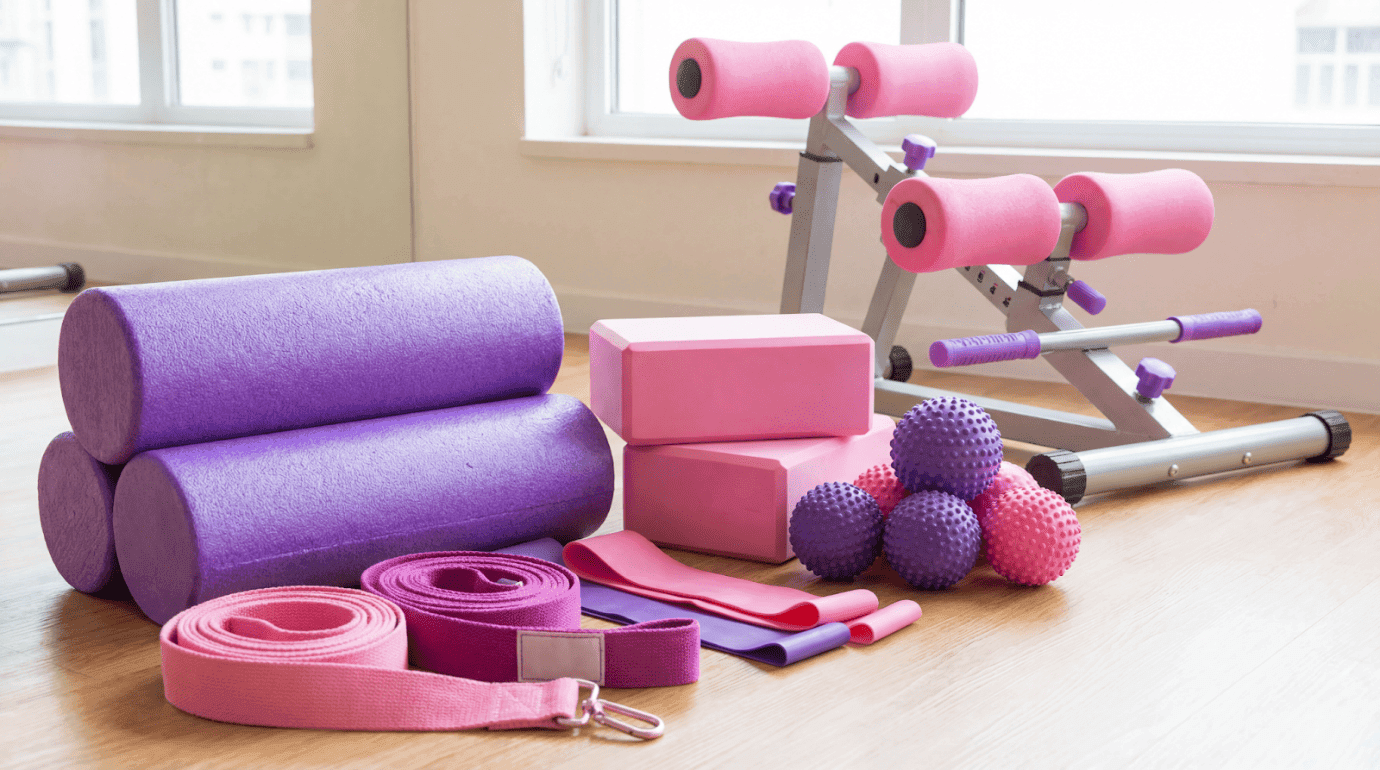
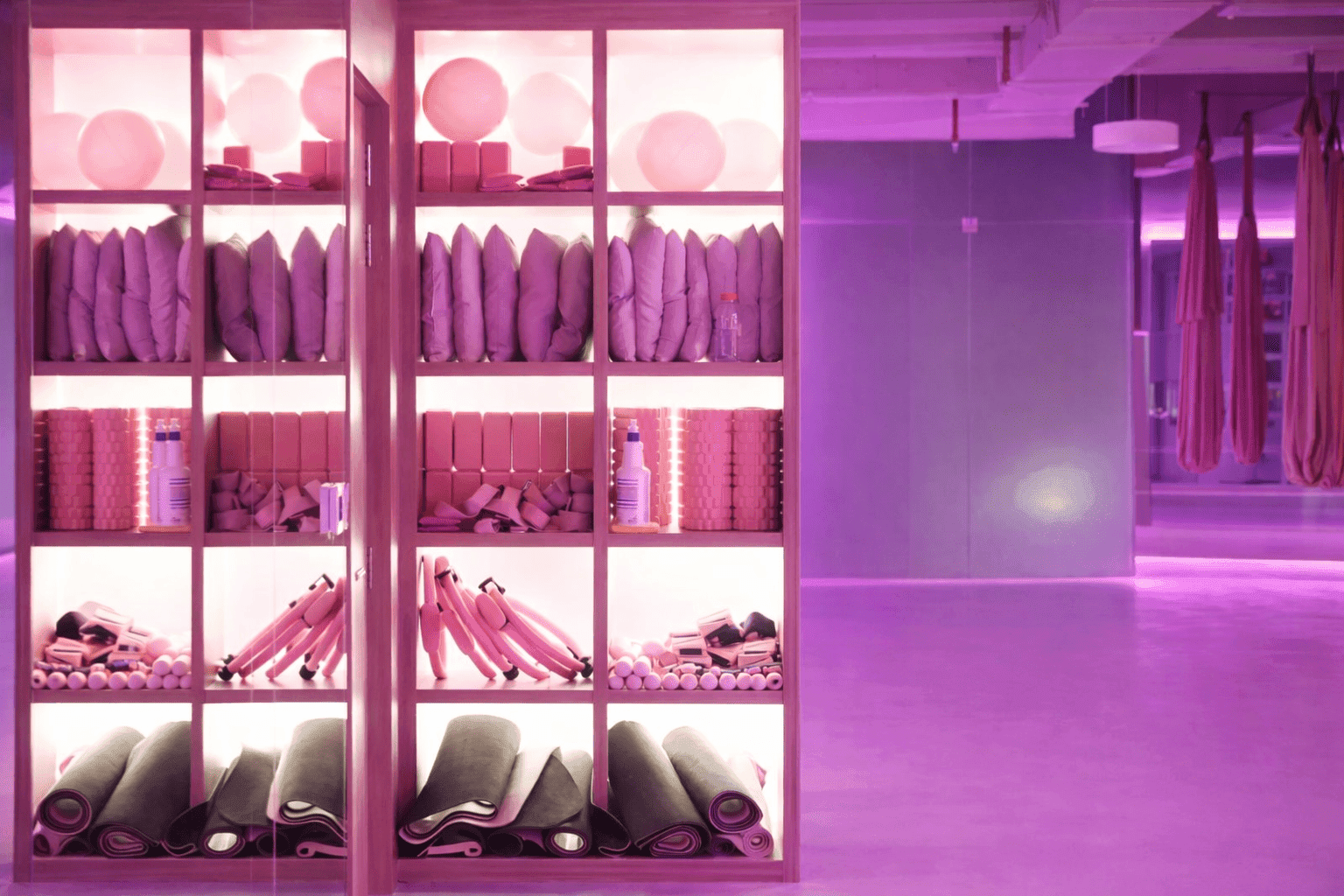
- Stretching straps / yoga straps: Extend reach and support controlled stretches for legs, hips, and shoulders.
- Foam rollers: Reduce muscle tension and soreness through myofascial release.
- Resistance bands: Support dynamic and active stretching with adjustable resistance.
- Yoga blocks: Provide stability and help maintain proper alignment during stretches.
- Massage balls: Target small, tight areas with focused pressure.
- Stretching machines: Assist deep, controlled stretching with adjustable support.
Each tool serves a specific purpose, and using the right one can make stretching safer, more effective, and better suited to your routine.
What is the best tool for assisted stretching for my needs?
Below is a brief overview of the most common assisted stretching tools and what they are used for.
| Tool | Best Used For | When to Choose It | Main Advantages | Limitations |
| Stretching Strap | General flexibility for legs, shoulders, and hips | When you need extra reach and controlled support | Easy to use, affordable, portable, suitable for beginners | Limited effect on deep muscle tension |
| Foam Roller | Muscle tension, knots, post-workout recovery | When the goal is to release tight tissue and improve circulation | Effective for deep tissue work, reduces soreness | Can feel uncomfortable at first, needs floor space |
| Resistance Band | Dynamic and active stretching | When gradual resistance and active flexibility are needed | Lightweight, versatile, supports strength and mobility | Not ideal for passive stretching, risk of snapping if misused |
| Yoga Blocks | Support, balance, and stretch alignment | When flexibility is limited and extra support is needed | Stable, durable, suitable for all levels | Mainly supportive, limited active stretching |
| Massage Ball | Targeted muscle release | When precise pressure is needed for small, tight areas | Portable, effective for specific trigger points | Can be painful, limited to small areas |
| Leg Stretcher | Lower-body flexibility | When deep leg stretches and clear progress tracking are required | Adjustable, effective for hamstrings and inner thighs | Bulky, higher cost, limited use |
| Back Stretcher | Spinal support and posture | When easing back tension and improving posture | Reduces spinal pressure, easy to use | Not suitable for acute back issues |
| Door Anchor Strap | Full-body stretching at home | When using body weight for deeper stretches | Space-saving, versatile | Requires a stable door and correct setup |
In Dubai, heat and long workdays make recovery-focused stretching more popular than long passive stretching sessions.
Conclusion
Assisted stretching vs self-stretching is not a competition. Each has a place. Assisted stretching helps with guided progress and faster results. Self-stretching helps maintain movement every day.
Many people in Dubai use both. Assisted sessions help reset the body. Self-stretching helps keep it flexible between sessions.
If you want guided support and flexibility work that fits Dubai life, explore stretching and training options at Bodify. Classes and private sessions are available for different goals and schedules.